

In early 2025, President Donald Trump appointed Elon Musk to lead the newly established Department of Government Efficiency (DOGE)—yes, that’s actually what it’s called. The goal? Cut federal spending and make government programs run more efficiently. However, as DOGE starts making changes, small business owners—especially those who accept SNAP (Supplemental Nutrition Assistance Program) benefits via EBT (Electronic Benefits Transfer) cards—could be facing some major shifts.
After the first wave of DOGE reforms, a major piece of legislation known as the Big Beautiful Bill was passed by Congress and the Senate and signed into law by President Trump in July. This bill includes significant changes to the nutrition assistance program SNAP, the main federal food assistance program. According to the Congressional Budget Office, the Big Beautiful Bill will cut about $186 billion from SNAP funding through 2034. This legislation could mean that benefits will be reduced or cut entirely for some Americans, impacting food assistance and the overall reach of the program.
So, what’s happening, and how could it affect your business? Let’s break it down.
Stricter SNAP Benefits Rules: What Can Customers Buy?
One of the biggest proposed changes is new restrictions on what SNAP recipients can buy. Agriculture Secretary Brooke Rollins, along with DOGE and Health and Human Services Secretary Robert F. Kennedy Jr., has suggested banning purchases of sugary drinks and junk food with EBT.
While this might sound like a push for healthier eating, it could hit small grocery stores, bodegas, and convenience stores hard—especially if they rely on sales of items like soda, chips, and candy. If these changes go through, stores that heavily depend on SNAP customers might see a dip in revenue as popular items become off-limits for purchase.
Starting in 2026, states are permitted to ban the purchase of non-nutritious items with SNAP benefits, including soda and candy. This gives states the authority to decide how strictly to implement these new junk food restrictions.
Both business owners and EBT recipients may get ticked off about the new potential restrictions, but let’s take a trip down memory lane and remember Michelle Obama’s Healthy, Hunger-Free Kids Act of 2010. This was a major initiative aimed at making school meals healthier. It required schools to:
-
Offer more fruits, vegetables, and whole grains
-
Reduce sodium, sugar, and unhealthy fats
-
Set calorie limits based on age groups
-
Require kids to take a fruit or vegetable with their meal
The goal was to improve childhood nutrition, fight obesity, and encourage healthier eating habits. However, the policy received mixed reactions. Supporters praised the push for healthier meals, while critics (including some students) complained about smaller portions, bland food, and increased food waste because kids didn’t always eat the healthier options.
How This Relates to SNAP Restrictions
Like Michelle Obama’s school meal changes, Trump’s proposed SNAP restrictions on sugary drinks and junk food aim to push people toward healthier eating. Both policies focus on government-funded food programs and attempt to control what people eat in the name of health.
Key Similarities:
✅ Government deciding what food people can get with taxpayer money ✅ Restrictions on unhealthy foods like sodas and junk food ✅ Pushback from those affected (students back then, SNAP recipients now)
Key Differences:
❌ School meals were provided directly by the government, while SNAP allows people to shop for their own food ❌ Michelle Obama’s changes mainly affected kids, while SNAP restrictions would impact millions of low-income individuals and families
❌ Schools had no choice but to follow the new guidelines, whereas SNAP recipients might find loopholes (e.g., buying more expensive, less-restricted unhealthy foods)
Both policies show a debate over how much control the government should have over what people eat when using public assistance.
While promoting healthier choices is a noble goal, many argue that limiting options could lead to unintended consequences, like hurting small businesses, increasing food waste, or making food access even harder for low-income families.
Remember, SNAP stands for Supplemental Nutrition Assistance Program. Sugary drinks and junk food? Not so nutritious. Before Trump came into office, there was a major push to end food deserts. A food desert is an area where residents lack access to affordable, healthy food options, particularly fresh fruits, vegetables, and other whole foods. If a convenience store was the only store nearby where food was available but was only offering junk food, they may have been able to accept EBT but they weren’t really helping the food desert issue, they were contributing to it.
While some argued that some food was better than no food the issue of low-income areas being a part of the healthier America goal is still a problem.
How This Affects Businesses That Accept EBT
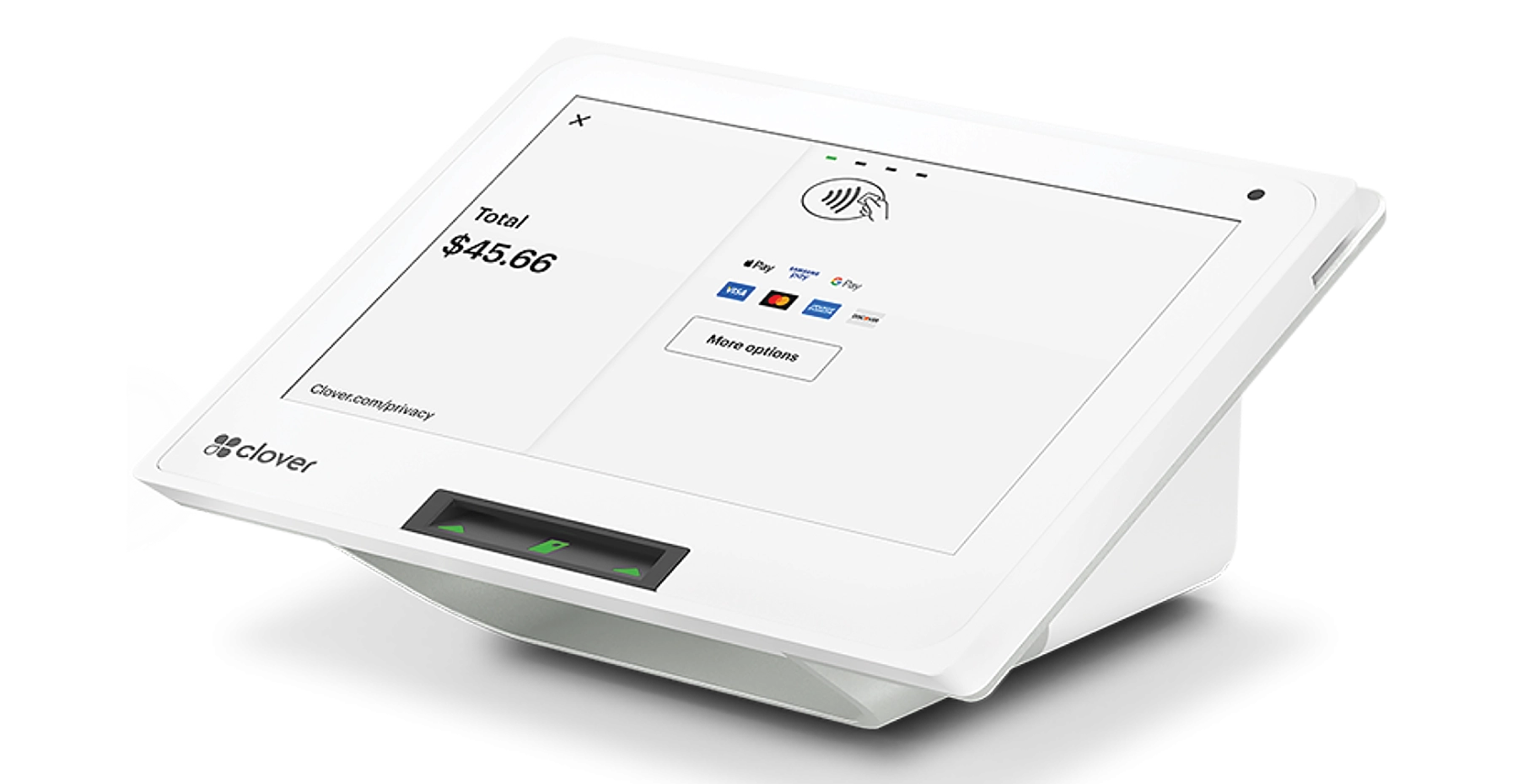
If your business already accepts EBT, this means you’re already using specific POS equipment required for SNAP retailers, and:
-
You may need to update your point-of-sale (POS) system to comply with new restrictions.
-
You could lose sales from SNAP customers who typically purchase restricted items.
-
You might need to adjust your inventory to focus on approved products.
For many small stores, SNAP customers make up a large percentage of sales. If those customers start shopping elsewhere—or just buy less—that’s real money lost.
What If You Want to Start Accepting EBT?
For businesses thinking about becoming SNAP-authorized to accept EBT, these changes might make the qualification and acceptance process more complicated.
-
The government may tighten regulations around what types of stores qualify.
-
You’ll need to stay on top of which products are allowed to avoid compliance issues.
-
There could be longer approval times due to administrative changes within the USDA. Additionally, the federal share of administrative costs for SNAP will decrease from 50 percent to 25 percent, requiring states to cover 75 percent of these administrative costs, which could lead to more administrative hurdles for businesses.
If you’re a new grocery store, farmer’s market, or specialty food store hoping to take advantage of SNAP spending—or a gas station or convenience store planning to accept EBT**—**these restrictions could make it harder to plan inventory and marketing strategies.
Potential SNAP Funding Cuts & Stricter Eligibility
DOGE has also hinted at cutting SNAP funding and making it harder for people to qualify. House Republicans have proposed a budget that would slash $230 billion from SNAP over the next decade. If this happens, fewer people will be eligible for benefits, and existing recipients may receive less money on their EBT cards each month, changing how stores get reimbursed for food stamp purchases.
Starting in fiscal year 2028, the legislation requires cost sharing, with states required to pay at least 25 percent of SNAP benefits, shifting from the current system where federal funding covers 100 percent of the costs. This means states pay a larger share of program costs, which may lead to cuts in benefits and eligibility. The number of people affected is significant, as the OBBBA is projected to impact over 40 million SNAP recipients, especially among the population of vulnerable groups such as veterans and individuals experiencing homelessness. Experts project nearly 750,000 additional people will experience food insecurity within the first year of implementing the OBBBA. Families may see their average monthly SNAP benefit decrease by $72 to $231 due to new eligibility rules and limits. The Congressional Budget Office projects the proposed changes to SNAP would save billions of dollars, but millions of people would no longer be eligible for the program. The OBBBA expands work requirements and restricts benefits, threatening assistance for millions of children, seniors, and disabled individuals. SNAP helps more than 42 million people afford groceries each month, making it the largest anti-hunger program in the United States. Every $1 in SNAP benefits typically generates $1.50 to $1.80 in economic activity, and these changes could affect hundreds of millions in financial impact and the number of people at risk.
How This Affects Small Businesses
-
Lower SNAP budgets mean customers will have less to spend. If a customer usually spends $200/month in SNAP benefits, but their budget drops to $150, they might cut out non-essential purchases—which could hurt store owners.
-
More competition for SNAP dollars. If there are fewer SNAP recipients, stores may need to compete harder to attract those customers.
-
Uncertainty for new businesses. If you’re considering opening a grocery store, corner market, or fresh food stand, it’s harder to predict how much SNAP revenue you can count on—but understanding EBT payments and requirements for 2026 can help you plan.
Workforce Cuts, Administrative Costs & Government Slowdowns
DOGE has also been eliminating positions in agencies like the Internal Revenue Service (IRS) and the USDA—which oversees SNAP and EBT approvals. While some see this as a major blow to these federal agencies, many others see this as a positive change and a major move towards more efficient and more affordable government entities. As of November 2024, there were about 3 million federal employees. From what the public knows, only 30,000 of those federal employees have been let go. That’s only 1% of employees.
What Does This Mean for Business Owners?
-
Delays in EBT processing and approval times. If you apply to accept EBT, it might take longer than usual for your EBT retailer application to be processed and approved.
-
Possible disruptions in payments. If DOGE’s efficiency measures slow down government systems, businesses could experience delays in SNAP reimbursements.
-
Fewer compliance checks (for now). On the flip side, fewer government workers could mean less frequent audits for SNAP retailers—at least temporarily.
Legal Battles & Privacy Concerns
DOGE has tried to access federal databases to “audit” programs like SNAP, but judges have already blocked some of these attempts, citing privacy concerns. While it’s unclear how far DOGE will go, some experts warn that aggressive audits or data collection efforts could lead to stricter enforcement against SNAP fraud, potentially affecting small business owners.
Keeping a Positive Outlook
While many small business owners and SNAP recipients are concerned about the potential downsides, there are also some possible benefits to what DOGE is trying to do with SNAP. Here are a few ways these changes could be seen as positive:
1. Promoting Healthier Eating Habits
One of the main goals of restricting junk food and sugary drinks from SNAP purchases is to encourage healthier eating among low-income families. If SNAP benefits can only be used for nutritious foods like fruits, vegetables, lean meats, and whole grains, it might: ✅ Help reduce obesity, diabetes, and heart disease in lower-income communities ✅ Encourage food retailers to stock more healthy options
✅ Teach long-term better-eating habits for SNAP households
For businesses, this could be an opportunity to expand their fresh food inventory and cater to SNAP shoppers looking for healthier choices.
2. Reducing Government Waste & Fraud
DOGE’s goal is government efficiency, and one argument in favor of these changes is that they could cut down on waste and fraud in the SNAP system. ✅ If fewer non-essential or highly marked-up items (like energy drinks or premium junk food) are purchased with SNAP, it could ensure funds are going toward nutritional needs. ✅ By tightening eligibility, SNAP may be more targeted toward those who need it most rather than going to people who might not qualify under stricter guidelines. ✅ Less fraud means more trust in the system, which could help protect the program from future budget cuts.
To further address error rates in SNAP payments, the Snap Back Inaccurate SNAP Payments Act was introduced by DOGE Caucus Chair Joni Ernst in early 2025. This inaccurate SNAP payments act focuses on reducing error rates and improving the accuracy of benefit payments. States with higher error rates may face increased accountability and financial responsibility for overpayments, making state compliance and quality control even more important, and retailers will need to stay on top of new SNAP and EBT compliance rules.
For small businesses, fewer fraudulent SNAP transactions could mean less risk of fines or audits from the USDA.
3. Encouraging More Farmers’ Markets & Local Food Sources
If the SNAP program shifts its focus toward nutritious foods, we might see an increase in: ✅ Farmers’ markets that accept EBT, helping local farmers and small vendors grow once they learn how to get approved to accept EBT in 2025 ✅ More partnerships between SNAP and grocery stores to offer discounts on fresh food ✅ Potential incentives for stores in food deserts to stock healthier options
This could create new opportunities for businesses that sell fresh produce, meat, and dairy—especially in underserved areas.
4. Making Small Businesses More Competitive Against Big Chains
Large retailers like Walmart and Amazon dominate the SNAP market because they sell everything, including highly processed, unhealthy foods. If new rules push SNAP recipients toward healthier purchases, small businesses that focus on fresh and whole foods could gain a competitive edge.
For example:
-
Independent grocers might benefit if SNAP customers start prioritizing fresh food over processed snacks.
-
Specialty stores (like butchers, bakeries, or local markets) could see more SNAP traffic.
-
Food co-ops and local farms could gain a stronger foothold in the SNAP economy.
The Bottom Line
While there are concerns about how DOGE’s changes to SNAP might affect small businesses and food accessibility, there’s also potential for positive outcomes, including: ✅ Healthier communities with better long-term eating habits ✅ More local food options through farmers’ markets and small retailers ✅ A more efficient and fraud-resistant SNAP program
✅ New opportunities for small businesses to attract SNAP customers looking for healthier options
Whether these benefits actually outweigh the downsides will depend on how the policies are implemented and whether small businesses can adapt.
Not sure how these changes affect your business?
VMS keeps merchants ahead of card network rules, fee changes, and compliance deadlines — with a specialist who explains what actually matters for your store.
Or call our team: 888-902-6227
What’s Next?
DOGE’s changes to SNAP and EBT are still unfolding, but small business owners need to pay attention now. Whether you already accept EBT or are considering it, these shifts could impact everything from which products you sell to how much revenue you bring in.
If you rely on SNAP customers, now’s the time to: –Stay updated on policy changes. Regulations could shift quickly. –Prepare for possible tech updates. Your POS system might need adjustments. –Adjust your inventory if needed. Stocking more SNAP-approved items could help.
As these policies take shape, the best thing you can do is stay informed and plan ahead. SNAP and EBT acceptance can be a major asset for small businesses, but only if the system stays stable enough to support them.
What are your thoughts on these potential changes? Are you worried about how DOGE’s policies might impact your business?
Have questions about these changes?
Fill out the form below and a VMS payment specialist will contact you shortly.