

TL;DR
Starting in 2026, twelve U.S. states will restrict purchases of candy, soda, and certain snack foods, such as chips and treats, with SNAP/EBT benefits. For small businesses that accept EBT, this means:
-
You may need to update your POS inventory
-
Training your staff will be crucial
-
Staying compliant is essential to avoid fines or EBT disqualification
-
The cost of compliance and inventory changes may affect your bottom line—plan for potential expenses.
-
More customers will seek healthier alternatives—and smart retailers will stock accordingly
Now is the time to prepare.
What’s the EBT Junk Food Ban?
The USDA has approved a state-level initiative to restrict certain food purchases using SNAP (EBT) benefits. While SNAP recipients can still buy staples like bread, milk, meat, and produce, starting in 2025, they’ll no longer be able to use their benefits for:
Soda and sweetened beverages
Candy
Energy drinks
Some prepackaged snacks, including chips and treats
SNAP recipients will not be able to buy soda or other foods considered unhealthy with their benefits.
This isn’t a universal rule—it applies only to twelve states (so far) that have requested waivers from the federal government. These state waivers, approved by the USDA and influenced by agriculture policy, allow states to tailor SNAP restrictions to their specific needs.
While SNAP benefits can no longer be used to pay for these items, recipients may still use their own money or cash for restricted foods. For both cardholders and retailers, understanding the top EBT changes in 2026 is essential to avoid confusion at checkout.
Background on Food Assistance Programs
The Supplemental Nutrition Assistance Program (SNAP), formerly known as food stamps, is the largest food assistance program in the United States, serving around 42 million Americans each year. Designed to help low-income families put nutritious food on the table, SNAP benefits are funded by the federal government and administered by the USDA. Recipients can use their benefits to purchase a wide variety of foods, including fruits, vegetables, meat, dairy, and whole grains, supporting better nutrition and food security for millions of households.
However, SNAP has faced ongoing criticism for allowing the purchase of junk food, soda, energy drinks, and other products high in sugar or artificial sweeteners, and new EBT compliance rules and SNAP restrictions are intended to curb these purchases and promote healthier eating. As concerns about public health, obesity, and diet-related diseases have grown, so has the push to reform SNAP purchases and limit access to certain foods that offer little nutritional value. This movement has led to increased scrutiny of how SNAP benefits are spent and sparked debates about the role of government in shaping Americans’ diets. As a result, more states are seeking to restrict the use of SNAP for junk food and sugary drinks, aiming to align the program more closely with its original goal of improving nutrition for families in need.
Which States Are Banning Junk Food from SNAP?
Initially, five states implemented these restrictions as of Jan 2026, with several other states following suit throughout the year.
As of now, the following states have secured USDA waivers to implement the EBT junk food ban:
|
State |
Effective Date |
What’s banned |
|---|---|---|
|
Arkansas |
July 1st, 2026 |
Soda, fruit and vegetable drinks with less than 50% natural juice, unhealthy drinks, and candy |
|
Colorado |
March 1st, 2026 |
Soft drinks |
|
Florida |
April 20th, 2026 |
Soda, energy drinks, candy, and prepared desserts |
|
Hawaii |
August 1st, 2026 |
Soft drinks |
|
Idaho |
February 15th, 2026 |
Soda, candy |
|
Indiana |
January 1st, 2026 |
Soft drinks, candy |
|
Iowa |
January 1st, 2026 |
All taxable food items as defined by the Iowa Department of Revenue except food producing plants and seeds for food producing plants |
|
Louisiana |
February 18th, 2026 |
Soft drinks, energy drinks, and candy |
|
Missouri |
October 1st, 2026 |
Candy, prepared desserts, and certain unhealthy beverages |
|
Nebraska |
January 1st, 2026 |
Soda, energy drinks |
|
North Dakota |
September 1st, 2026 |
Soft drinks, energy drinks, and candy |
|
Oklahoma |
February 15th, 2026 |
Soft drinks, candy |
|
South Carolina |
August 31st, 2026 |
Candy, energy drinks, soft drinks, and sweetened beverages |
|
Tennessee |
July 31st, 2026 |
Processed foods and beverages such as soda, energy drinks, and candy |
|
Texas |
April 1st, 2026 |
Sweetened drinks and candy |
|
Utah |
January 1st, 2026 |
Soft drinks |
|
Virginia |
April 1st, 2026 |
Sweetened beverages |
|
West Virginia |
January 1st, 2026 |
Soda |
|
Each state’s law has slight differences, but the common theme is clear: sugar is getting the boot. |
|
|
Why Is the EBT junk food ban Happening?
The USDA and Department of Health & Human Services launched a new health initiative in 2025 called “Make America Healthy Again.” As the primary federal agency overseeing agriculture and food policy, the USDA plays a key role in shaping programs like SNAP and setting dietary regulations. The idea? If taxpayer dollars are funding food, those foods should meet certain nutritional standards.
Supporters argue the move: Encourages healthier choices, aligns the SNAP program with its original nutrition-focused goals, and helps fight diet-related illness in low-income communities. SNAP benefits are used to pay for eligible foods, and the new rules change what can be paid for with these benefits. Several states have introduced bills to restrict junk food purchases with SNAP, aiming to further limit unhealthy options.
But critics worry the bans: Create barriers for low-income shoppers, stigmatize SNAP users, and are difficult to enforce at scale. Regardless of where you stand, if you run a business that accepts EBT, it’s your job to stay compliant.
How Will This Affect Small Businesses?
If you’re a convenience store, gas station, market, or local grocer, the EBT junk food ban can greatly effect your business, especially if you’re just learning how to start accepting EBT payments as a business owner. Here’s how it could impact your operations:
1. You’ll Need to Update Your POS System
Reliable EBT-enabled POS equipment is the foundation of staying compliant with these new rules.
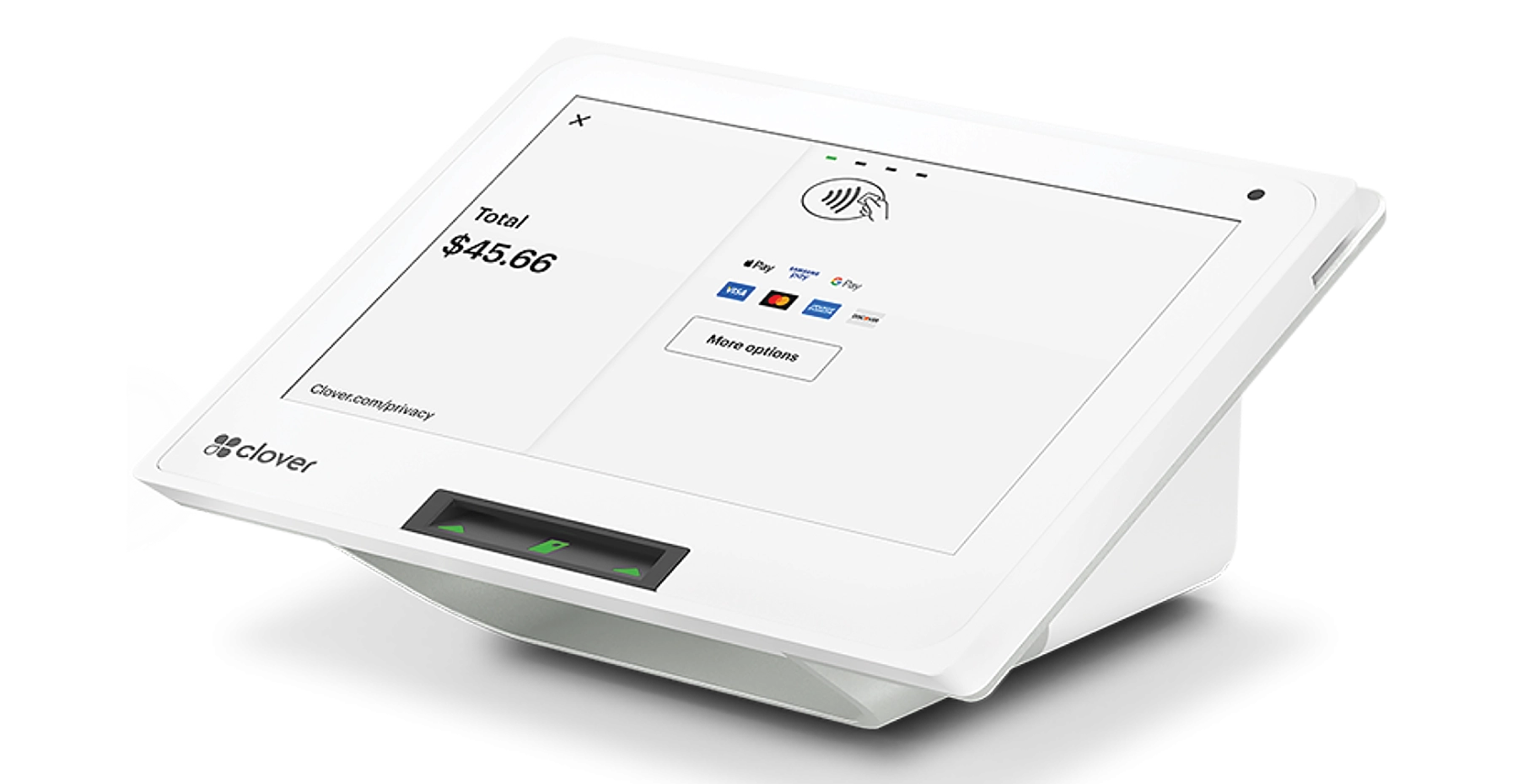
Your point-of-sale system or other cloud-based POS solution will need to distinguish between EBT-eligible and non-eligible items under the new laws. If you’re using a Clover POS with Velocity Merchant Services, good news: we help update your inventory tags to ensure automatic compliance by state, while Clover’s all‑in‑one POS platform also streamlines other day‑to‑day operations. If your system can’t block restricted items at checkout, you risk losing your EBT certification.
2. Your Staff Needs to Know the New Rules
Expect confused customers—and possibly frustrated ones. Train your team to: Politely explain which items are no longer eligible Suggest alternative qualifying items Handle EBT transactions with confidence We recommend creating quick-reference signage near checkout for staff and customers.
3. You Might See a Shift in What People Buy
With candy and soda off the table, expect more demand for: Whole fruits and vegetables Dairy products Bread and cereals Meats and eggs Smart store owners are already adjusting their shelf space accordingly and upgrading to the best POS devices for small businesses to track which EBT‑eligible items are selling.
Implementation and Monitoring: What to Expect
With the federal government granting permission for more states to enact waivers prohibiting the purchase of certain foods through SNAP, the focus now shifts to how these new restrictions will be put into practice. States like Indiana, Iowa, Nebraska, Utah, and West Virginia are leading the way, implementing bans on junk food, soda, candy, and sweetened beverages for SNAP recipients. These states are responsible for monitoring compliance, updating point-of-sale systems, and ensuring that retailers follow the new rules.
The USDA will oversee the process, providing guidance and support to help states enforce these SNAP restrictions effectively. As more states, including South Carolina and North Dakota, join the movement to limit junk food purchases with SNAP benefits, their experiences will serve as important case studies for others considering similar measures. The federal government may need to step in with additional resources and standardized procedures to ensure consistency and fairness across the country. As the landscape of SNAP waivers and food purchase restrictions continues to evolve, both state and federal agencies will play a critical role in making sure these changes are implemented smoothly and achieve their intended public health goals.
Common Questions from Business Owners about the EBT Junk Food Ban.
Will this apply to all businesses? No. These rules only apply in the states that opted in. But that list is growing, so even if you’re in Illinois or California today, you should prepare for possible changes in 2026 or 2027. Will EBT cards still work normally? Yes—but they’ll decline automatically for restricted items. That’s why your POS must be set up to recognize flagged products. What if my inventory isn’t coded correctly? You could be held financially liable if you allow restricted sales. You may also risk losing your ability to accept EBT altogether.
How Clover and VMS Help You Stay Compliant
At Velocity Merchant Services, we help thousands of small businesses process EBT payments and manage their Clover POS systems. Here’s how we can help you through this transition: Clover POS Inventory Tagging We’ll help you: Set up proper inventory categories Flag restricted items Automatically update based on state-level SNAP rules Real-Time Updates State rules are changing fast. With VMS, your Clover system will be updated as laws change—no need to manually adjust every product. Training and Support We provide live support and training for your staff, so they’re ready to explain the changes and reduce customer friction at checkout.
Turn the Ban Into a Business Opportunity
The EBT junk food ban may sound like bad news at first—but this ban could actually help your bottom line. Promote healthier options: Stock more EBT-friendly goods like fruits, bread, and dairy. Bundle products: Create “EBT-friendly meal kits” or grab-and-go items. Improve customer trust: Being the store that’s knowledgeable and helpful about the rules builds loyalty. With the right strategy and POS system, including options designed for farmers market vendors that accept EBT, compliance can become a competitive edge.
Public Perception and Awareness
Public opinion on restricting junk food purchases with SNAP benefits is deeply divided. Supporters argue that limiting access to unhealthy foods is a necessary step to improve public health, reduce obesity, and combat diet-related illnesses like diabetes—especially among low-income Americans who rely on SNAP. HHS Secretary Kennedy and other advocates of SNAP reform believe that aligning food purchases with healthier options will help address the root causes of poor nutrition and rising healthcare costs.
On the other hand, critics of these SNAP restrictions worry that such policies may stigmatize SNAP recipients and limit their freedom to make their own food choices. Some argue that these measures could make it even harder for families to access healthy food, especially in areas where affordable options are already limited. As more states adopt restrictions on junk food and sweetened beverages, it’s essential to raise public awareness about both the benefits and challenges of these changes. Open dialogue among government agencies, healthcare professionals, and the public will be key to finding balanced solutions that support the health and dignity of all Americans who depend on SNAP benefits. Ultimately, the goal is to make America healthier—without leaving anyone behind.
Looking Ahead
The EBT junk food ban is just one piece of a larger movement. As public health concerns rise, more states—and even the federal government—could tighten SNAP restrictions in the coming years. Influential figures like Kennedy Jr. have publicly supported stricter SNAP restrictions and advocated for healthier food choices, while Agriculture Secretary Brooke Rollins has played a key role in supporting state-level efforts to restrict junk food purchases through waivers and policy advocacy. These policy changes are often aimed at improving the health of kids and reducing childhood obesity, reflecting a broader debate about nutrition and government intervention.
That means:
Smart businesses will stay ahead of policy
Retailers should choose POS systems built for flexibility
Providers like VMS who specialize in EBT can be your most important partner
Final Thoughts: Stay Informed, Stay Compliant, Stay Competitive
The EBT junk food ban isn’t just a policy change—it’s a chance for business owners to adapt, educate, and serve their customers better. With Clover POS and Velocity Merchant Services, you’re not just staying compliant—you’re future-proofing your business.
Not set up to accept EBT yet?
VMS is USDA-authorized and handles your FNS application and EBT-ready terminal for you — most stores are approved and taking SNAP payments within days.
Or call our team: 888-902-6227
Need help updating your POS for EBT compliance?
Call us today or start a chat on our website. We’ll make sure your system is ready, your staff is trained, and your shelves are stocked for success.
Have questions about accepting EBT?
Fill out the form below and a VMS payment specialist will contact you shortly.