

TL;DR
The USDA is tightening SNAP/EBT rules, which means small businesses will need to stock at least seven varieties of staple foods in each category, upgrade POS systems to block restricted items, train staff on the changes, and prepare for audits. Some products like soda and candy may no longer be eligible. Retailers also have a chance to submit public comments to the USDA to advocate for their business before final rules take effect. Staying compliant will keep you competitive, build community trust, and expand your customer base.
Why SNAP Benefits / EBT Rules Are Changing
EBT compliance for small businesses is changing in 2025 as the USDA rolls out stricter SNAP rules. If you own a small business and accept EBT, or you’re thinking about it, big changes are on the horizon. The USDA is tightening up the rules around the Supplemental Nutrition Assistance Program (SNAP). The Supplemental Nutrition Assistance Program (SNAP), formerly known as Food Stamps, is administered by the federal government and is designed to help limited income households access healthy food. These changes are designed to make sure customers using EBT cards have access to healthier, staple foods — and less access to junk food.
On the surface, this sounds like a win for communities. But for small business owners, these new requirements mean changes to how you stock, sell, and manage your store. SNAP eligibility is determined by federal guidelines, including household size, income, assets, and certain expenses. Let’s break down what’s happening, what you’ll need to do, and how to make sure your business not only stays compliant but thrives. Most families and individuals who meet the program’s income guidelines are eligible for SNAP.
What’s Going on With EBT / SNAP Rules Lately?
SNAP is one of the largest nutrition assistance programs in the U.S., helping millions of families access food through EBT cards. To participate as a retailer, you need to follow USDA rules — and those rules are evolving, with several top EBT changes in 2026 that directly affect how you operate. The maximum benefit for a family of 4 is $994 per month in the 48 contiguous states for the 2026 fiscal year.
Two of the most important changes are:
-
Stricter Stocking Requirements – Stores used to need only three varieties in each of four staple food groups: dairy, proteins, grains, and fruits/vegetables. Now, the USDA is proposing that stores stock seven varieties in each category. That’s more than double the old requirement. SNAP benefits are based on household size and countable income, after all deductions are applied, and deductions such as basic internet service now count as utility costs.
-
Tighter Restrictions on Junk Food – There’s growing momentum in Congress and at the USDA to ban certain “junk food” purchases with SNAP. That means products like soda, candy, and desserts may no longer qualify as EBT-eligible.
Starting in early 2026, 18 states received USDA waivers to ban certain “junk foods” from EBT eligibility, and effective April 1, 2026, SNAP recipients will not be allowed to use SNAP benefits to purchase soda.
A major update to SNAP rules affects Able-Bodied Adults Without Dependents (ABAWDs). Under H.R. 1, signed into law on July 4, 2025, and taking effect December 1, 2025, the ABAWD work requirements expand to include able-bodied adults aged 18 through 64. These individuals must engage in abawd work or approved activities for at least 80 hours per month to maintain eligibility. If they do not meet these requirements, they are subject to a three-month time limit within a three-year period for receiving SNAP benefits. Most adults aged 18 to 64 without children under 14 in the home are subject to this three-month time limit if they do not meet work requirements. States have the authority to extend work requirements to other SNAP households beyond ABAWDs. The federal government reinstated pre-pandemic work requirements for ABAWDs after the end of the Public Health Emergency, and expanded work requirements under H.R. 1 will eliminate several exemptions for the ABAWD Work Rules.
To be eligible for SNAP benefits, a household’s income and resources must meet three tests. The asset limit is $3,000 for most households, but $4,500 if at least one person is at least age 60 or disabled. What counts as income for SNAP includes cash income from all sources, including both earned income and unearned income. Deductions play an important role in determining SNAP benefits, reflecting that not all of a household’s income is available for purchasing food. Households with members who are older adults or have a disability are not subject to the gross income test. Certain categories of people are not eligible for SNAP regardless of their income or assets, such as individuals who are on strike and many immigrants with lawful immigration statuses.
Starting February 1, 2026, eligibility for non-citizens is limited to U.S. citizens, lawful permanent residents, and certain other groups. The changes to non-citizen eligibility will be reviewed at the next recertification for current recipients, and households will receive notice of any changes to their eligibility.
Together, these changes are meant to ensure that taxpayer money supports healthier food purchases — but they also put more responsibility on retailers, making it essential to understand everything about accepting EBT payments in 2026 so your business can adapt effectively.
What Are EBT Cards and How Do They Work?
The Supplemental Nutrition Assistance Program (SNAP), also known as the nutrition assistance program SNAP, is a vital resource for millions of low income households across the United States. SNAP benefits are delivered through Electronic Benefit Transfer (EBT) cards—a secure, easy-to-use debit card system that helps eligible families purchase food at authorized retailers.
When a household is approved for SNAP, they receive an EBT card loaded each month with their maximum benefit amount, which is determined by household size, total income, and certain deductions like child care costs or medical expenses. Using the EBT card is simple: at checkout, SNAP recipients swipe their card and enter a PIN, just like any other debit card. This allows them to purchase food items such as vegetables, meats, dairy products, bread, and even seeds or plants to produce food at home.
However, there are important rules about what can and cannot be bought with SNAP benefits. EBT cards can only be used to purchase food and nutrition services—non-food items like cleaning supplies, pet food, or tobacco are not eligible. The program is designed to help low income families stretch their food budget and access healthy options.
Eligibility for SNAP is determined by several factors, including income limits, the gross income test, asset limit, and household size. Most households must meet both income and asset requirements to qualify. The SNAP application process involves submitting an application, providing documentation of income and assets, and verifying household size. Lawful permanent residents and certain other eligible people may also qualify, sometimes after a five year waiting period.
To remain eligible for SNAP benefits, most people aged 16 to 59 must meet work requirements, such as looking for a job or participating in an approved training program. Some individuals, like older adults, people with disabilities, or those caring for young children, may be exempt from these rules. SNAP households can also receive additional benefits for each additional person in the household, and deductions for expenses like child support or medical costs can help increase the benefit amount.
For more details on determining eligibility, the SNAP application process, or to provide additional information, visit the official website at www.fns.usda.gov/snap or contact your local SNAP office. SNAP recipients can also use their EBT card to check their account balance and transaction history, ensuring they make the most of their benefits each month.
Understanding how EBT cards work and the requirements for using them helps both SNAP recipients and retailers navigate the program successfully. By staying informed, eligible households can access the nutrition services they need, and businesses can better serve their communities while also understanding how stores get paid for food stamps through EBT transactions.
Why Accepting Electronic Benefit Transfer Still Makes Sense
You might be thinking, “If this is going to be a hassle, should I just drop EBT?” The short answer: probably not. Here’s why accepting EBT is still a smart move:
-
It broadens your customer base. Millions of people rely on SNAP benefits. If you don’t accept EBT, you’re automatically excluding a portion of potential customers.
-
It builds goodwill. Accepting EBT shows your community that you care about accessibility. This can boost your reputation and build long-term loyalty.
-
It future-proofs your business. If competitors can’t or won’t meet new requirements, you could win their customers by staying compliant.
-
It ties into funding opportunities. Some cities and states offer grants or programs to support stores that provide healthy, EBT-eligible foods.
So yes, there’s extra work involved, but the benefits are worth it if you’re planning for the long term, especially when you understand the full EBT qualifications for businesses and how they can expand your customer base.
What Small Businesses Will Need to Do
Here’s your practical checklist of what actions you’ll need to take as these new rules roll out, alongside a more detailed step‑by‑step guide to accepting EBT if you’re just getting started.
1. Apply or Renew Your SNAP Retailer Authorization
If you’re not already an authorized SNAP retailer, you’ll need to apply through the USDA. There are several ways to apply for SNAP retailer authorization, including online, by phone, or in person at your local human services office. Each store location needs its own authorization. You may need to create an account on your state’s application portal to complete the process. Be prepared to show your licenses, tax ID, and store details. After you submit your complete application, your county human services office has 30 days to determine your eligibility. Most states also offer a pre-screening tool on their website to check your eligibility before applying.
2. Upgrade or Configure Your POS System
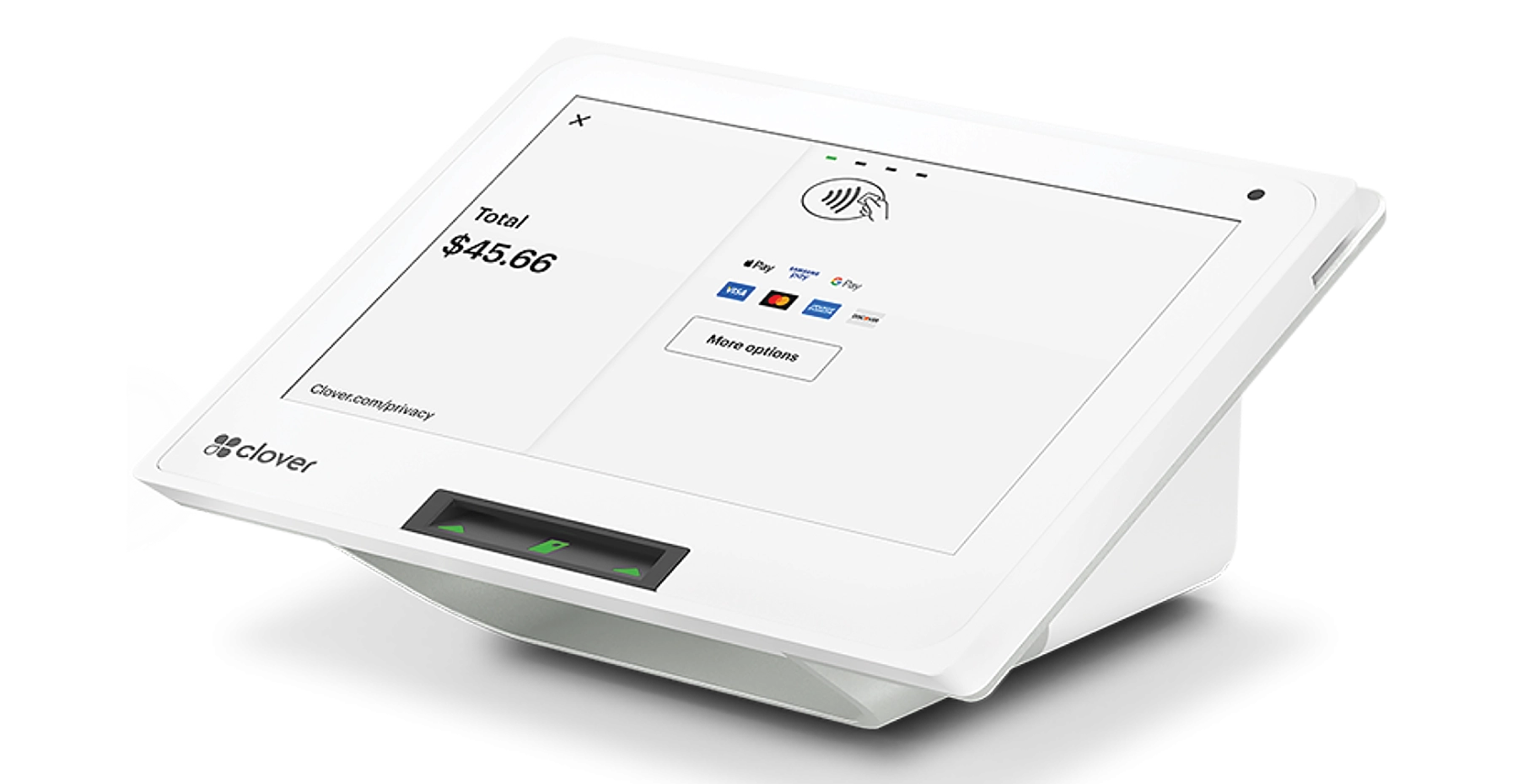
To accept EBT, you’ll need a point-of-sale system that can process EBT transactions and properly flag which items are SNAP-eligible. This means choosing the right EBT equipment and POS solutions and understanding that EBT retailers need specific POS equipment that meets USDA and processor requirements.
-
Investing in an EBT-enabled POS terminal.
-
Making sure your system updates automatically as rules change (so restricted items can’t be rung up by mistake).
-
Choosing a payment processor that supports ongoing SNAP compliance.
3. Adjust Your Inventory
This will be the biggest lift for many small stores. You’ll need to stock at least seven varieties in each of the four staple categories, following detailed EBT stocking requirements for SNAP retailers. For example:
-
: milk, yogurt, butter, cheese, cream, sour cream, cottage cheese.
-
Grains: bread, rice, pasta, tortillas, oatmeal, cereal, flour.
-
Proteins: chicken, beef, pork, fish, beans, eggs, tofu.
-
: apples, bananas, carrots, spinach, onions, frozen peas, canned corn.
If you currently only carry a few basics, you’ll need to expand your offerings.
4. Train Your Staff
Your employees should know:
-
Which items are eligible under SNAP.
-
How to handle EBT transactions at the POS.
-
How to politely explain to customers if something is not covered.
A little training upfront can save headaches and avoid compliance violations.
5. Prepare for Audits and Inspections
The USDA can and does audit retailers. If you allow ineligible items to be purchased with SNAP, you risk penalties or losing your EBT status altogether. Keep records of your transactions and make sure your shelves meet the stocking rules.
6. Communicate with Customers
Customers may not know why soda or candy isn’t allowed anymore. Posting signs or preparing simple talking points for your staff can help avoid awkward checkout moments.
Risks and Challenges to Watch for SNAP Eligibility
It’s not all smooth sailing. Here are a few challenges small businesses should plan for:
-
Higher inventory costs. More variety means carrying more stock — and that can tie up money.
-
Waste risk. If customers don’t buy the new “staple” items you’re required to carry, you could be stuck with spoilage or waste.
-
Technology costs. POS upgrades and processor fees add up, so it helps to work with trusted merchant services for small businesses that understand EBT and compliance needs.
-
State-by-state differences. Some states may implement changes faster than others, creating confusion.
-
Penalties for mistakes. Accidentally selling restricted items through EBT could result in fines or loss of authorization.
Example Timeline for Businesses
Here’s what to expect as these rules roll out:
-
Next 3 Months – Monitor USDA updates. Start analyzing your current inventory against the new stocking requirements.
-
3–6 Months Out – Order additional stock varieties, upgrade your POS, and train your staff.
-
6–12 Months Out – Begin full compliance. Do your own internal audits. Put up signage for customers.
-
1 Year+ – Stay flexible. Regulations can change again, and you’ll want to adjust quickly.
Have Your Voice Heard
Here’s something many business owners don’t realize: when the USDA proposes changes to SNAP/EBT rules, there’s a public comment period where retailers can share their input. And yes — the USDA really does review those comments before making final decisions.
This is your chance to advocate for your business. If the new requirements feel too costly, or if you support the changes but want clearer guidelines, you can say so. The more small businesses that speak up, the more likely the final rules will balance nutrition goals with real-world retail challenges.
Submitting a comment is simple, and it could directly shape how these rules are enforced in your community. Don’t pass up the opportunity to have your voice heard.
Conclusion: Stay Ahead, Stay Compliant
The USDA’s new EBT rules will require small business owners to make adjustments — from stocking more staple foods to updating POS systems and training staff. While these changes may add costs and complexity, they also ensure you remain eligible to serve a broader customer base and position your business as a trusted community resource.
The key is preparation. Take action now, stay informed, and don’t forget you have a chance to advocate during the public comment process.
Want to stay ahead of the changes? Follow us on social media for regular updates on EBT compliance, payment processing, and small business tools that help you succeed.
For more insights like this, keep up with the VMS blog – or check out our Youtube Channel
Ready to get started? Talk to us today.