

Food trucks have revolutionized the dining scene by providing a delectably distinctive experience that is unmatched by more formal restaurants. There are several advantages to having a food truck, including more visibility, greater flexibility, financial savings, and more. For many aspiring entrepreneurs, owning a food truck is a way to live the dream of running your own food business—being your own boss and facing your own set of challenges and rewards. A food truck might be the answer to your success, whether you’re an established restaurateur trying to grow your company or a new business owner looking for an economical method to enter the food industry.
Before jumping in, it’s important to carefully decide if a food truck is the right food business for you, considering your goals, resources, and the unique aspects of mobile food operations. I’ve researched the food truck industry and have created the top 5 benefits of running a food truck.
Food trucks first became popular in the United States in the 1800s, giving them a long and rich history in the American food business landscape.
Introduction to the Food Truck Business
The food truck business has quickly become a favorite path for entrepreneurs eager to share their passion for delicious food in a way that’s both unique and convenient. Unlike traditional restaurants, food trucks offer the freedom to operate in a variety of locations, transforming any street corner or event into a vibrant mobile restaurant. This flexibility allows food truck owners to reach customers where they are, whether at a bustling festival, a busy office park, or a local community event.
Starting a food truck business does require thoughtful planning. Entrepreneurs need to consider startup costs, which are generally much lower than those of a brick-and-mortar restaurant, as well as the routine maintenance required to keep the truck and kitchen equipment in top shape. The limited space of a mobile kitchen means every inch counts, so efficient organization is essential. Despite these challenges, the benefits of owning a food truck—such as reduced overhead, the ability to experiment with new menu ideas, and the excitement of serving food in ever-changing locations—make it an appealing option for those looking to break into the food industry.
Mobile Restaurant Concept
At its core, the mobile restaurant concept is all about bringing high-quality food directly to customers from a fully equipped vehicle. Food truck operators have the creative freedom to design a menu and brand that stands out, catering to everyone from festival crowds to office workers seeking an affordable and tasty lunch. The ability to move from place to place means food trucks can operate in high-traffic areas or at special events where traditional restaurants might not have access.
This mobility also provides a unique security service for communities, as food trucks can serve areas with limited dining options, ensuring that more people have access to fresh, prepared meals. Whether parked at a local event or stationed in a neighborhood with few restaurants, food trucks offer a convenient and enjoyable dining experience. Additionally, the flexibility to adapt the menu and schedule to suit different locations and customer preferences is a major benefit, helping food truck operators build a loyal following and a strong brand presence, especially for restaurant owners using food trucks to expand their brand.
1. Financial Startup Costs
Restaurants can be a costly investment. Investing in a food truck requires an initial purchase that can range in price from $15,000 to over $250,000, depending on whether you buy new or used and the level of customization. Renting out a space, utilities, large equipment, inventory and more can make traditional restaurants significantly more expensive to start than food trucks. One of the major benefits of starting a food truck is the affordability—food trucks can be purchased for a fraction of the cost of a brick-and-mortar restaurant. Food trucks are a relatively low-cost investment compared to brick-and-mortar restaurants, and they do not have the fixed costs and overhead associated with a traditional restaurant lease.
When starting a food truck, shopping for and outfitting the vehicle with necessary equipment is a key step in the process. In comparison, food carts are another mobile food option, and their costs can vary significantly, ranging from $1,000 to $10,000.
Food truck owners also need to pay for permits, parking, and event fees as part of their ongoing operational costs, rather than fixed monthly rent, along with ongoing payment processing solutions tailored to food trucks. This makes it much easier for people to get into the restaurant industry with a lower financial risk. Approximately 60% of restaurants fail within the first year. One of the major reasons for this is business owners can’t keep up with the cost of keeping a restaurant open. By starting with a food truck, the cost is lowered substantially. This raises the chances of the business staying open longer.
2. Location
Another huge reason restaurants fail is poor location. When you run a traditional restaurant, you’re tied down to one spot. With the cost of rent rising along with inflation issues, you may be limited with location options. If you get stuck with a less than ideal spot for your restaurant, you could be setting your business up for failure right out of the gate. With a food truck, you have the freedom of going to essentially, any location you want. Of course there are limits, but food trucks have the ability to park at popular events, outside office buildings, or in high-traffic areas, making it easy to attract a steady stream of customers.
If you really want to take every opportunity to make a profit, you can spend some time figuring out what locations are the most profitable at certain times. You can then base your route on that to maximize revenue. The ability to move around can also be a good opportunity to scope out areas for a potential permanent spot. You can see what areas have more potential for success and which you should stay away from.
3. Advertising
Since you’re saving a lot of money on your initial investment, its a good idea to spend a little extra decking out the outside of the truck. You don’t need to go crazy, but making sure the name of your mobile restaurant is visible and clear is a great idea. When you do this, you essentially have a mobile bill board at all times. This is free advertising for your restaurant. Food truck owners can establish a strong marketing machine that serves to increase traffic and gradually gain loyal customers by branding the vehicle with a logo and social media handles. Having QR codes on the truck can also assist with advertising and marketing efforts.
4. Flexibility
As mentioned before you have major flexibility as far as location of your restaurant. But the flexibility doesn’t end there. You also have flexibility in terms of hours and staff. You also have the freedom to create your own hours and how many staff members you employ. There are obvious space limitations so you don’t need the same amount of staff that you would at a traditional restaurant. Food trucks often operate with a smaller, more intimate team compared to full-service restaurants. Since you aren’t bound to set hours you can pick and choose when you’re open and for how long. Of course, if you want to be successful you should be open at regular hours. But, if you find that you get no business at certain hours, you have the flexibility of not wasting money by staying open during unprofitable times. Cooking in a food truck also presents unique challenges, such as working in a confined space and managing long hours, which requires strong cooking skills, efficient processes, and modern tools like the latest Clover POS devices for 2026.
Another area where you get more flexibility, is the menu. You have much more room to experiment with menu items. Food trucks can change their menu frequently, allowing for creativity and adaptation to customer preferences. If you’re trying to figure out what food items do the best, you can try out different options much easier than at a traditional restaurant. Of course you don’t want to be changing your entire menu everyday, but you can switch it up to see what people like the best.
5. Customer Reach
This goes hand and hand with location and advertising. You’re going to the customers, not the other way around. If you’re trying to find your customer niche, you can explore and work on your advertising and location scouting to find them. People really like the idea of food trucks, they’re fun, quick and much more sanitary than other street food. Food trucks are more than just a source of delicious food – they’re also an opportunity to build community. Food trucks can bring people together around a shared love of food and a desire to experience new flavors and cultures. By participating in local events and festivals, food trucks can become an integral part of the community and help to support local businesses and organizations, especially when they leverage cloud-based POS systems to streamline operations.
Key Considerations for Food Trucks
Before diving into the food truck business, it’s important to understand the key factors that contribute to success. One of the first steps is evaluating the cost of purchasing and maintaining a food truck, which includes investing in reliable kitchen equipment, budgeting for fuel, and securing the right insurance to protect your business. Owning a food truck also means staying organized—creating a schedule, managing inventory, and ensuring all permits and licenses are up to date are essential parts of daily operations.
Food truck operators must also be prepared for the unpredictability of weather, which can impact both sales and the ability to serve customers. Planning ahead and having backup strategies for rainy or extremely hot days can make a big difference. Despite these challenges, the advantages of owning a food truck—such as reaching a diverse customer base and building a unique brand—make it a rewarding venture for those who are prepared and adaptable.
Growing Your Business
Expanding a food truck business takes a blend of creativity, strategic planning, and a commitment to excellent customer service. Food truck operators can boost their visibility by participating in local events and festivals, where large crowds offer the perfect opportunity to introduce their brand to new customers, similar to how mobile POS systems for farmers market vendors help sellers reach more shoppers in busy, open-air environments. Leveraging social media is another powerful tool, allowing operators to share their location, menu updates, and special promotions in real time.
Additionally, offering catering services for private events or partnering with local businesses can open up new revenue streams and help grow your customer base. By consistently delivering high-quality food and memorable service, food truck operators can build a loyal following and establish a strong reputation in the community. With the right planning and a creative approach, a food truck business can thrive and expand well beyond its original wheels.
Common Challenges
While owning a food truck comes with many advantages, it’s important to be aware of the common challenges that operators often face. One of the biggest hurdles is working within the limited space of a mobile kitchen, which can make it tricky to prepare and serve a wide variety of menu items efficiently. Food truck operators also need to be ready for unexpected equipment breakdowns and the need for routine maintenance, which can disrupt service and add to operating costs.
Weather is another unpredictable factor—rain, wind, or extreme temperatures can impact customer turnout and make it difficult to operate. Additionally, the initial investment in a food truck and ongoing expenses for maintenance and repairs can be significant, especially for new businesses. By understanding these challenges and planning ahead, food truck operators can minimize risks and set themselves up for long-term success, enjoying the many rewards that come with running a mobile restaurant.
Need a POS built for your type of business?
VMS configures your system around how your industry actually operates — menus, inventory, appointments, whatever you run on.
Or call our team: 888-902-6227
Tools to Help Food Trucks
POS Systems
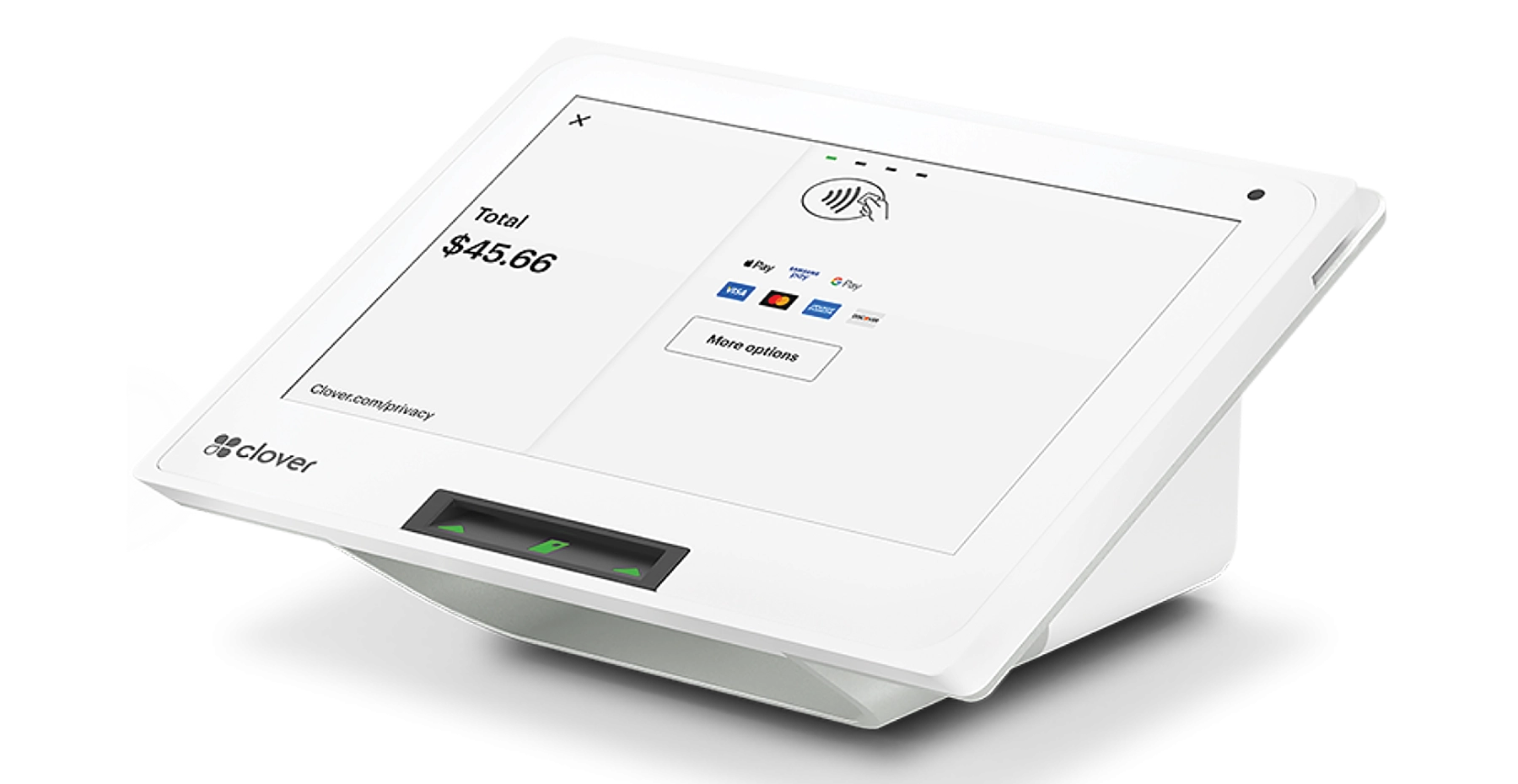
You’ll need a few different things to get you started on your food truck journey. The obvious items are of course a truck of some sort, kitchen supplies, food inventory. But you’ll also need a POS system. This is were some people get hung up. You cant really have a huge cash register, there is limited space and you don’t want to use up your counter space on a POS system. Many food trucks go the cash only route to make it easier. But food trucks don’t need to worry about that anymore! Clover offers a few different mobile payment device options that are perfect for food trucks.
The first option is the Clover Flex. This is a hand held POS device that you can take with you anywhere, and it’s often recommended as the best POS option for food trucks. The Flex works on both LTE and Wi-Fi. This means that no matter where your food truck goes, it will be able to accept all forms of payment, and you can take advantage of the powerful Clover Flex POS benefits for small businesses.
The second option is the Clover Mini. This one also works on both LTE and Wi-Fi, the only difference is this POS system is stationary, making it a compact complement to larger setups like the Clover Duo dual-screen POS system. The Mini is 4 x 7, so even though it is technically stationary, its small enough that you can move it around if need be.
Both options do everything the larger systems do just on a smaller screen. You can also connect all of your Clover devices. Maybe you have a traditional restaurant and a food truck, all your inventory, sales tracking, business reporting for both locations will be stored on the same interface.
Food Truck Apps
With the Clover systems, there is a whole marketplace full of apps available to download, including many of the best Clover POS restaurant apps for 2026. There are hundreds of apps to choose from but one app that is made for food trucks is called “Food on a Truck”. With this app, you can input the location and hours of your food truck. The app connects to Twitter and will send out tweets giving the information of where and when you’ll be at various spots. This ensures your customers know where you’ll be at. This ensures you aren’t missing any potential business as well as growing your customer base. This app also provides great sales data, you will be able to see how well your food trucks sale’s were based on location. This will help you scout out areas and make educated decisions on your locations and routes for the future.
Getting a Clover Device for your Food Truck
If you’re interested in getting a Clover device for your food truck, visit getvms.com or fill out the form below. We will help you get a Clover POS system of your own and set you up with the right apps for your business. Starting a food truck can be a fun endeavor, make sure you have everything you need for a successful business!
Have questions about a POS for your business?
Fill out the form below and a VMS payment specialist will contact you shortly.