
The Supplemental Nutrition Assistance Program (SNAP), formerly known as food stamps, is a crucial safety net program in the United States. For example, SNAP is also known by other names in different regions, such as CalFresh in California and FoodShare in Wisconsin, but all refer to the same benefit. Designed to help low-income individuals and families access nutritious food. While SNAP provides vital assistance to millions of Americans. It also plays a significant role in supporting local businesses and the broader economy. In this blog post, we will explore how stores get paid for food stamps. Highlighting the process, benefits, and challenges involved.
Understanding SNAP
Before delving into the payment process for food stamps, it’s essential to understand the basics of SNAP. SNAP is a federal program administered by the United States Department of Agriculture (USDA). It provides eligible individuals and families with electronic benefit transfer (EBT) cards, which function similarly to debit cards. These EBT cards are pre-loaded with funds each month. The monthly benefit amount is determined based on factors such as income, family size, and housing costs. Family size is a key factor in determining both eligibility and the amount of benefits a household receives, and higher housing expenses can increase the monthly benefit for some households. Recipients can use the card to purchase covered food items, such as fruits, vegetables, meat, dairy, and non-alcoholic beverages.
The Role of Authorized Retailers
One of the key aspects of SNAP is the network of authorized retailers. These include food stores, grocery stores, supermarkets, gas stations, and other food retailers that have been approved by the USDA FNS (Food and Nutrition Service) to accept SNAP EBT cards as a form of payment. To participate in the SNAP program, retailers must complete an application process, which involves submitting required documentation, meeting specific criteria, and waiting for approval from the USDA FNS. This process ensures that retailers stock a variety of staple foods in line with SNAP stocking requirements, ensure price accuracy, and maintain a clean and safe environment for customers.
Retailers that accept food stamps receive payment for eligible SNAP purchases through a relatively straightforward process:
-
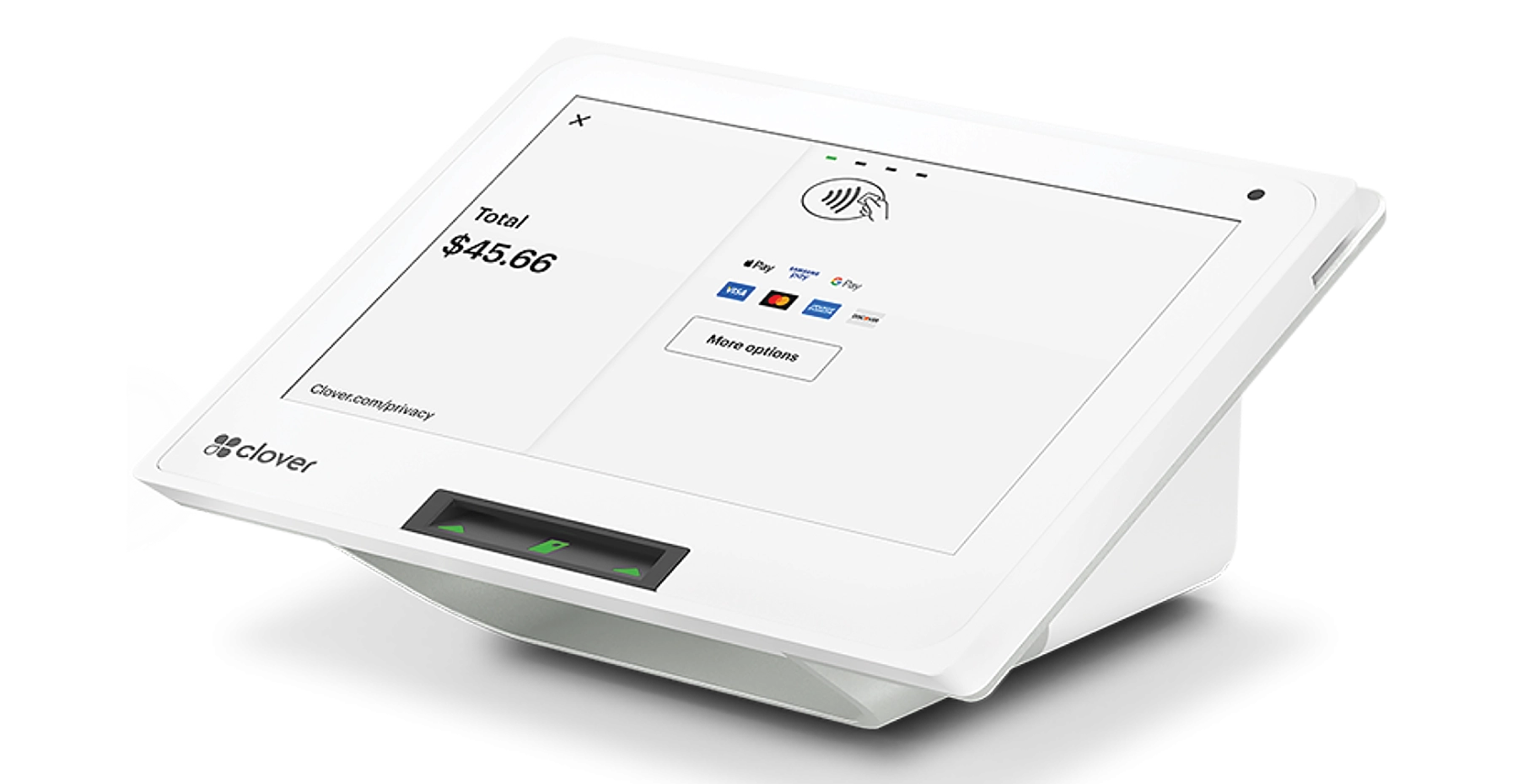
EBT Card Transactions: When SNAP recipients shop for groceries, they use their EBT card to make purchases just like they would with a debit or credit card. The EBT card is swiped, and the customer enters their personal identification number (PIN) to complete the transaction.
-
Verification: The retailer’s point-of-sale system validates the transaction by checking the recipient’s available SNAP balance and ensuring that the items being purchased are eligible for SNAP benefits. This verification is essential to prevent fraud and misuse of funds.
-
Reimbursement: After the transaction is approved, the retailer is not immediately paid in cash. Instead, they submit the EBT transaction data to the state agency responsible for administering SNAP benefits. This agency reviews the data and initiates the reimbursement process.
-
Reimbursement Payment: Once the state agency approves the transaction. They issue payment to the retailer for the value of the eligible SNAP purchases. This payment is typically made electronically.
-
Regular Payment Schedule: SNAP reimbursements are made to retailers on a regular schedule, often weekly or bi-weekly, depending on the state. This consistent cash flow is an important benefit for participating retailers.
Electronic Benefits Transfer (EBT)
The Electronic Benefits Transfer (EBT) system is at the heart of the Supplemental Nutrition Assistance Program (SNAP), making it easier than ever for low income individuals and families to access their SNAP benefits. EBT cards work much like debit cards, allowing SNAP recipients to buy groceries and other eligible food items at most grocery stores, convenience stores, supermarkets, and even many farmers markets across the country. Overseen by the United States Department of Agriculture (USDA), the EBT system ensures that SNAP funds are distributed securely and efficiently, supporting both recipients and participating retailers.
For retailers looking to accept EBT, the process begins with obtaining an FNS number from the USDA. Once authorized, stores partner with an EBT merchant services provider to install the necessary EBT equipment and software for processing EBT transactions. This setup enables grocery stores, convenience stores, and food retailers to accept EBT payments seamlessly, expanding their customer base and increasing their sales potential. As more families rely on the nutrition assistance program SNAP, being able to accept EBT is a valuable way for businesses to serve their communities and support needy families.
The EBT transaction process is designed for simplicity and security. Customers simply swipe their EBT card at checkout and enter their PIN, just as they would with other debit cards. The cost of eligible items is deducted from the recipient’s SNAP account, and the retailer receives payment directly from the USDA, ensuring a reliable cash flow. This electronic process reduces errors, streamlines accounting, and helps minimize the risk of fraud for both retailers and the federal government.
In addition to SNAP benefits, EBT cards can also be used to access Temporary Assistance for Needy Families (TANF) benefits. While SNAP funds are strictly for purchasing staple foods and healthy foods, TANF benefits can be used for certain non-food items such as household supplies, toilet paper, and cleaning supplies. However, it’s important for both retailers and customers to remember that SNAP money cannot be used to buy pet food, alcohol, or tobacco products.
The widespread adoption of the EBT system has transformed the way SNAP participants buy groceries. According to the USDA, over 80% of SNAP benefits are now redeemed through EBT transactions, making it the standard for the food stamp program. This shift to electronic benefits transfer has created a ripple effect, making it easier for families to access nutritious food and for retailers to receive prompt payment for SNAP sales.
By understanding how the EBT system works and staying compliant with USDA guidelines, retailers can better serve their customers, support their local communities, and benefit from the steady revenue that comes from participating in the SNAP program. As the nutrition assistance program SNAP continues to evolve, the EBT system remains a vital tool for connecting families with the food and resources they need.
Benefits for Stores
Retailers that accept SNAP payments enjoy several advantages, which are covered in more depth in our EBT payments guide for business owners, including:
-
Increased Customer Base: Participating in SNAP expands the customer base for stores. Allowing them to serve low-income individuals and families who rely on these benefits.
-
Steady Revenue: SNAP payments provide retailers with a reliable source of revenue. This can be particularly important during economic downturns when consumers may reduce spending on non-essential items.
-
Community Engagement: Retailers that accept SNAP are often viewed as community partners, as they help address food insecurity and contribute to the well-being of local residents.
-
Compliance with Federal Regulations: Being an authorized SNAP retailer can also help stores demonstrate their commitment to compliance with federal regulations and food safety standards.
Challenges for Retailers
While participating in SNAP can be beneficial for retailers, it also comes with some challenges, including:
-
Administrative Burden: Retailers must ensure that their systems are compliant with evolving SNAP and EBT regulations and that their staff is trained to handle EBT card transactions and verify eligible purchases. This can be administratively burdensome.
-
Lower Profit Margins: SNAP recipients often have limited budgets, which can lead to smaller average transaction sizes. This may result in lower profit margins for retailers compared to customers who pay with cash or credit.
-
Redemption Fraud: Retailers need to be vigilant in preventing and reporting any potential fraud or misuse of SNAP benefits, which can result in penalties if not properly managed.
-
Cash Flow Timing: Retailers may experience a delay between when SNAP transactions occur and when they receive reimbursement, potentially impacting their cash flow. It’s important to note that the federal government covers about half of the program costs, which affects how funds are distributed and reimbursed to retailers.
Economic Benefits for Retailers
While it’s clear that SNAP serves as a lifeline for low-income individuals and families, it’s essential to recognize the program’s broader economic impact. Authorized retailers, especially smaller, independent stores that serve as cornerstones of local communities, often benefit significantly from participating in SNAP.
-
Increased Foot Traffic: Accepting SNAP payments can lead to increased foot traffic in stores. SNAP beneficiaries often spend their benefits on necessities like groceries. This means retailers are more likely to see a consistent stream of customers, even during economic downturns, especially when they follow a clear step-by-step process to start accepting EBT.
-
Business Growth: For retailers, a consistent customer base is essential for business growth and stability. By accepting SNAP, stores have the potential to expand their customer base, retain existing customers, and promote loyalty, which can result in long-term economic benefits.
-
Enhanced Revenues: Participating retailers experience increased revenue from SNAP transactions, helping them generate steady cash flow. This reliable income can be instrumental in covering operating costs, paying employees, and maintaining inventory.
-
Community Involvement: Stores that accept SNAP become active participants in community support efforts. They help ensure that vulnerable individuals and families have access to essential groceries, contributing to the overall well-being of the neighborhood.
It’s important to note that SNAP benefits are not only spent on food but also have a multiplier effect on the economy. When individuals and families use their SNAP funds at authorized retailers, these retailers, in turn, purchase goods from suppliers and pay employees, thereby creating a ripple effect that supports various sectors of the economy.
Becoming a SNAP Retailer
If you’re a business that is interested in accepting food stamps and want help with your EBT retailer application. Get in contact with VMS. We are authorized to assist businesses with their EBT applications. We’ve helped thousands of businesses become authorized to accept EBT and we will help you too! Get in contact with one of our EBT specialists to start your application with the USDA
Conclusion
The SNAP program plays a crucial role in providing food assistance to low-income individuals and families in the United States. By allowing authorized retailers to accept SNAP EBT cards, the program not only supports those in need but also benefits the retail industry. Retailers receive reimbursement for eligible SNAP purchases through a well-structured process. This provides them with a steady source of revenue and opportunities for community engagement. However, retailers also face challenges, including administrative burdens and potential fraud issues. Overall, the ability to accept food stamps is a win-win, benefiting both the store and the broader community by addressing food insecurity and promoting access to healthy food.
VMS** is here to help you accept payments confidently, securely, and with peace of mind—because small businesses deserve big protection.**