

by Grace Barone
How to incorporate your small business in 5 steps – the simplest way for your business
Starting a business requires a lot of work. Entrepreneurs have a lot on their plate and the different things that need to be done when opening a business can get confusing. Incorporating your business is an important step that many business owners try and prioritize. Many business owner don’t know how to incorporate their business or if they even should. There are many benefits to incorporating your business.
- Limited Liability: Corporations shield business owners’ personal assets from liabilities. This shows that the owners are typically not personally liable for paying any debts or legal responsibilities the company may have. Small business entrepreneurs who may have few personal assets need this protection more than anyone.
- Credibility: A firm can gain credibility and professionalism by incorporating, which can help it draw clients, investors, and staff members.
- Permanent Existence: A company has the capacity to continue to exist indefinitely even if its owners change or pass away because it is a distinct legal entity from them. This means that even if one or more owners decide to quit the company, it will still be able to run and carry out its commitments.
- Tax Advantages: Companies may have the ability to benefit from tax advantages including deducting expenses and delaying paying taxes on profits.
- Access to Capital: By issuing stock or other instruments that may be sold to investors, incorporating can make it simpler for businesses to raise finance.
To make the process simpler for people interested in incorporating their business, we’ve listed out 5 steps on how to incorporate your small business.

Steps on how to Incorporate a Business
1. Select and Reserve a Business Name
Now that you’ve decided that you want to incorporate your small business, the next step is picking a name for your business entity. This is an important step. You want to choose a name that accurately represents the kind of business you have. Simple yet creative names will stand out and be easy to remember. There are a few things to keep in mind while choosing your business name. You want to consider internet searches, website domain and social media handle availability and similarity to other businesses near you.
Once you’ve decided on a name, you want to preform a business name search through the Secretary of State, Division of Corporations, Department of State or a similar Government agency in your state that preforms business name searches. The reason this is an important step is because you need to make sure that the name you want isn’t already being used. If everything checks out, the Secretary of State will usually hold your intended corporate name for about 120 days if you pay a fee.

2. Decide on a Corporate Entity
There are a few different corporate entities to choose from. You want to make sure you’re choosing the right one based on what kind of business you intend to run. This alter how to incorporate your business.
Limited Liability Companies
These are known as LLCs. Many small businesses choose these to start out as. An LLC is a mix between a partnership and a corporation. The LLC is run and managed by members who hold 100% of the stakes. LLCs provide flexibility in taxation as well as protection from personal liability. It’s a well-liked option for small businesses since its simple to set up and manage while sill offering legal protection for the owner’s personal assets.
Corporations
Another route you can take is a traditional corporation. These are the businesses you see Inc. next to. These are legally distinct from its owners. Shareholders own it and ore only partially liable for the corporation’s obligations and deeds. A board of directors oversee the overall strategy of the business and appoints officers to manage day-to-day operations. Corporations allow businesses to raise money by issuing stocks and can continue to exist despite changing stockholders. They contain the strongest liability protection for shareholders despite having greater legal constraints.
Partnerships
These are another popular option for small businesses. A partnership is a type of business arrangement where two or more people or organizations agree to split a company’s gains and losses. The partners are jointly liable for the debts and obligations of the business. A formal agreement can be used to create a partnership, but they can also develop informally from an understanding between the parties.
Nonprofit/501(c)(3)
The process of creating a nonprofit organization that is exempt from federal income tax under section 501(c)(3) of the Internal Revenue Code is known as 501(c)(3) incorporation or nonprofits. An organization must have a charitable, educational, religious, scientific, or literary purpose in order to be eligible for nonprofit status. It must also adhere to other guidelines, such as being exclusively organized and operated for those purposes and refraining from engaging in political or lobbying activities.

3. Start Filing
Once you figure out what route of incorporation you want to take its time to start filing the paper work. This is obviously the most crucial part of incorporating your business. You need to file all required paperwork with the secretary of state. Each state has slight differences with the process and required forms, so its important to make sure you research before you start filing.
Typically, this is the information you’ll need to file:
- Name of your corporation
- Names and addresses of founders
- Address of where you’ll be conducting your business
- Legal purpose of why the corporation is being formed
- Signatures of directors and founders
If you’re looking for more information about what you’re going to need to and how to incorporate your business, Legal Zoom has a lot of great blogs for each state.
After you get what you need in order you’ll go to the IRS website to get your Employer Identification Number (EIN). This is essentially your businesses Social Security Number.
4. Get a Corporate Bank Account
Once you have your EIN and corporations name, you need to set up a separate corporate bank account for your business expenses. This is important because it displays legal separation between owners and the business. It further protects against liability and makes tax season and accounting much easier.
You should also get an accountant to make sure your finances are in check at all times and figure out the best route for your business in regards to taxation.

5. Finalize Licenses and Permits
There are different regulations for each state and business type when it comes to specific licenses and permits. Common permits and licenses are things like food handler permits, health department permits, sales tax ID numbers, etc. Make sure you have the right permits before you officially open your doors.
After you’ve Incorporated your Small Business
So now that you know how to incorporate your business now you need to make sure your business is set up to take payments. While incorporating your business creates legitimacy, having an updated POS system also exhibits your readiness for customers.
VMS can get you set to accept all forms of payments, help you create a website and assist with marketing efforts. We have a wide variety of POS systems and will make sure you’re getting a system that’s right for your business.
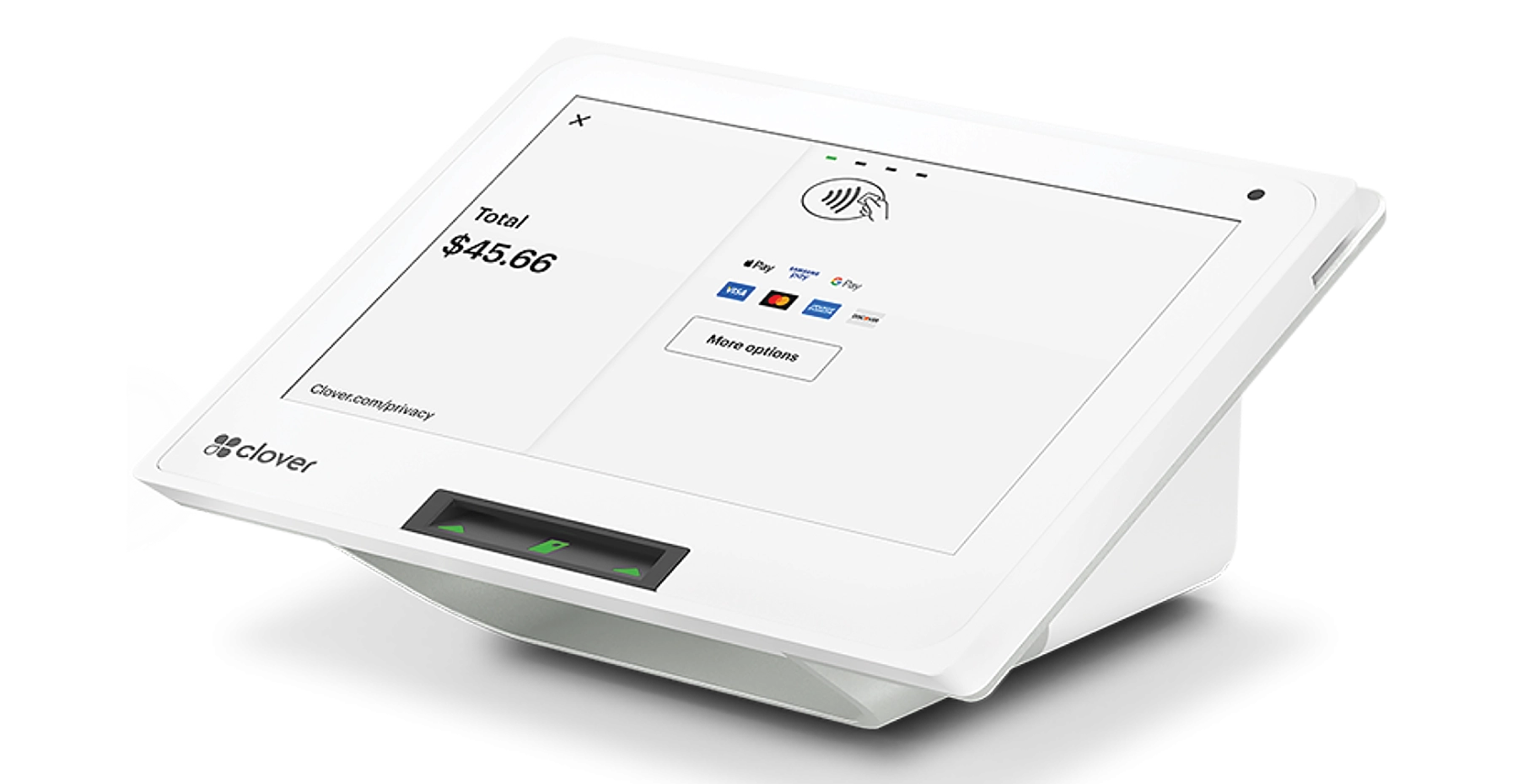
We partner with Clover so you can get a POS system that’s customized perfectly for your business since Clover offers a variety of apps to download. There are systems for stores, restaurants, and even mobile systems for businesses that are on the go.
If you’re just starting out and don’t need all the apps or features of the Clover devices we also offer traditional payment processors that just do the basics. We also offer all the different POS hardware that your business might need.
If you’re interested in getting your business set up to accept payment visit us at www.getvms.com or fill out the form below!