
Credit card fraud is an ever-present danger for small businesses all around the world. In fact, the Nilson Report estimated that global credit card losses due to fraud reached $27.85 billion in 2018, a 16.2% increase from 2017. Credit card fraud can result in significant financial and reputational damage for your business. It also financially damages customers, making it crucial to know how to prevent credit card fraud.
Impact of Credit Card Fraud
Credit card fraud is one of the worst things that can happen to a business. Fraud involves a range of scenarios, including external fraud where someone uses someone else’s credit card to purchase goods or services without the permission of the cardholder, as well as friendly fraud, where the cardholder themselves disputes legitimate purchases. This type of theft harms not only the cardholder but also the business where it was used. When a company or individual discovers credit card fraud, a cardholder may still lose money that the thief spent. Additionally, the business that accepted the credit card can lose the money given to them through the fraudulent credit card. To add insult to injury, companies may have to pay chargeback fees. These fees will come from the credit card company that issues the card, with the fees accounting for what the credit company charges merchants for returning transactions. Fraud can disrupt cash flow, delay financial reporting, and inflate operating expenses, significantly impacting a business’s financial health. Credit card fraud doesn’t only come from those who have stolen a credit card. It can actually come from the cardholder themselves. When a cardholder commits friendly fraud, they purchase something with their card and then claim they didn’t make that purchase themselves. If they pull this off, they may get the product for free, and your company may end up essentially giving away a product without making any money off of it. The Federal Trade Commission reported that, in 2016 alone, there were 399,225 cases of identity theft reported in the United States, with 33% of those instances related to credit card fraud. With so many people and businesses impacted by credit card fraud, you need to do all that you can to prevent credit card fraud from occuring.
Steps to Preventing Business CC Fraud
Since your business can’t just stop accepting credit cards, it’s essential to protect your business by taking proactive steps to prevent credit card fraud from occurring. Make sure to protect sensitive information and accounts from unauthorized access and fraud by monitoring and securing your business accounts, and working closely with your bank to implement effective fraud prevention measures. Educating employees about cybersecurity best practices, such as identifying phishing emails and avoiding suspicious links, is crucial. Employees who understand the consequences of insider threats are less likely to engage in fraudulent activities and can actively participate in protecting the business. Training staff to recognize signs of phishing and social engineering attacks can significantly reduce the risk of fraud occurring within a business. Wondering how you can prevent cc fraud at your business? The four tips listed below can help.
1. Accept Cards that Use EMV Chips
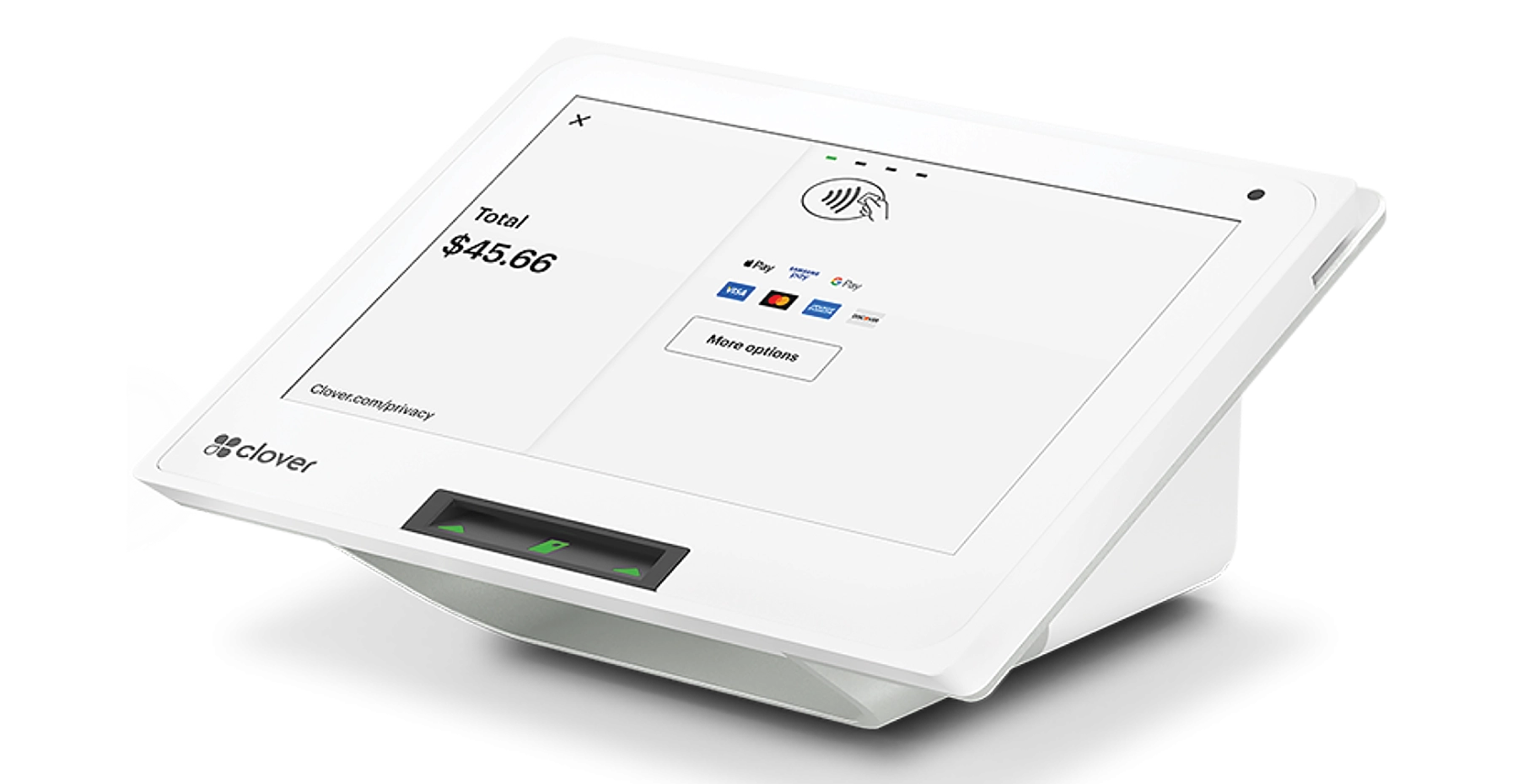
One of the best ways to prevent fraud at stores or restaurants is to ensure that your store accepts EMV chip cards. As EMV is the worldwide standard for chip-based credit and debit card transactions, it’s critical for your company to implement it. The United States has been slow to accept EMV, which many experts agree is a major reason fraud in the U.S. remains so high. Accepting EMV chip cards will lead to increased business safety, less liability, more consistent user experience and improved security for your customers’ data. EMV chips help prevent the use of counterfeit cards by making it much harder for fraudsters to duplicate card information. To encourage EMV chip use, train your staff to ask consumers to insert their chip rather than swipe.
Additionally, staff should be trained to watch for card skimming devices at the point of sale and be vigilant for signs of card skimming, as these devices can secretly capture card data for unauthorized use.
2. Run Regular Reports
To avoid credit card fraud, you should make running in-depth reports a regular part of your schedule. With a program that tracks payments and lets you analyze them, you can quickly run daily audits showing suspicious activity. Monitoring your business accounts for unusual or unauthorized activity is essential to catch potential fraud early. Account takeover fraud happens when an unauthorized person gains access to a company’s credit card account, allowing them to make changes and spend money without approval. Regularly monitoring and auditing wire transfer activities can help identify unauthorized transactions or suspicious requests, minimizing the risks associated with wire fraud. In-depth reports let users analyze individual transactions rather than the normal batch balance that you might be used to seeing. See individual transactions in these reports, you’ll spot red flags and stop credit card fraud before it even begins. For example, daily reports will show if employees are paying themselves unauthorized tips or other forms of fraud.
3. Train Staff
Even the best payment processing systems can’t prevent all of the fraud in the world. User error is always a threat to the complete prevention of credit card fraud. To reduce staff error and make staff more confident when handling cases of fraud, you should train employees to follow the proper procedures every time they accept credit cards from customers. Among other business-specific procedures, your training should prepare staff to:
-
Check a customer’s ID to make sure that the name on the ID matches the one on the credit card. If the names don’t match, its acceptable for the merchant to not accept payment via the card.
-
Look for tampering and damage done to the card, as these qualities indicate that the card could have been stolen.
-
Use an Address Verification Service to cross-reference the cardholder’s billing address with the address provided to the card issuer. If it doesn’t match, the employee should be trained to know to deny service.
-
Examine the receipt versus the credit card. If your staff have concerns about the credit card, they can check the receipt. You can see that the cardholder’s name, signature on the card, final four digits match the receipt.
-
Be aware of social engineering and phishing attacks, which often exploit trust through deceptive emails or phone calls to gain access to sensitive information such as credit card details.
-
Always verify any request for payment, account changes, or new cards, especially those received via phone or email, to ensure they are legitimate.
-
Never sign blank documents and always review the fine print in contracts related to credit card processing or equipment leasing to avoid scams.
-
Be cautious when handling sensitive information and never share it over the phone unless the caller’s identity has been verified.
4. Delivery Confirmation
A simple way you can prevent friendly fraud is to implement delivery confirmation systems throughout your business. This way, whenever someone tries to claim that they didn’t purchase the product, you can provide clear delivery confirmation. With the proof that the package was delivered to their home, the fraudsters claim that they didn’t order the product or that they never received it will fall flat.
Online Credit Card Fraud Prevention
Online credit card fraud poses a serious threat to small businesses, especially as more transactions move to digital platforms. Unlike in-person sales, online transactions often lack the physical verification steps that help prevent fraud, making it easier for criminals to use stolen card details or commit unauthorized purchases. For small businesses, a single incident of credit card fraud can result in significant financial losses, chargebacks, and damage to your reputation.
To prevent online credit card fraud, it’s essential to implement secure payment methods and add extra layers of protection to your payment process. Multi-factor authentication is a powerful tool that requires users to verify their identity in more than one way, making it much harder for fraudsters to gain access to sensitive data or complete unauthorized transactions. Using complex passwords and two-factor authentication for all business accounts further reduces the risk of identity theft and card fraud.
Businesses should also be vigilant against tech support scams and phishing emails. Scammers may impersonate your card issuer or payment processor, attempting to trick employees into revealing card details or other financial information. Train employees to recognize suspicious activity, such as requests for payment information from unknown sources or emails with urgent demands to pay immediately. Never trust caller ID alone, and always verify invoices and payment requests before approving purchases.
Regularly monitoring your online transactions is another key step in fraud prevention. Look out for red flags like multiple failed payment attempts, mismatched billing and shipping addresses, or unusually large orders from new accounts. Investing in fraud protection tools and services offered by your payment processor or card issuer can help detect fraudulent charges and unauthorized use of credit cards before they impact your business operations.
Protecting sensitive data is crucial. Make sure your website and payment systems are secure, and never store unnecessary card information. Be cautious when dealing with unknown sources, and avoid paying for goods or services unless you have verified the legitimacy of the transaction. Keeping your financial information and payment details safe helps prevent fraud and unauthorized charges.
Maintaining Your Business’s Reputation
One of the most significant benefits of implementing steps against credit card fraud is it maintains a strong business reputation. Taking proactive measures to protect your business from fraud and reputational harm is essential for long-term success. If you are constantly running into credit card fraud, consumers may be wary of spending money in your store. Additionally, other businesses may not want to work with you if you’re constantly running into fraud issues. Credit card fraud can harm your company’s financial stability and make you appear less professional.
To prevent unauthorized charges, it’s important to use corporate cards and business cards with robust controls and security features. Protecting sensitive card numbers and being vigilant against card theft are also crucial, as stolen or compromised card information can be exploited for fraudulent purchases even without physical access to the card. Be aware of common scams, including those involving online listings and fake business directories, and educate your employees to recognize and avoid these tactics.
If you’ve had issues with protecting customers’ data, especially during payment processing, people are going to be less likely to use your service. They don’t want their data stolen after they make a purchase, and if your company has a track record of not putting enough safeguards up, they’ll look elsewhere. The potential hit to their reputation is one of the biggest reasons companies invest in a secure payment processing system. Using 3D Secure (3DS) can shift liability for authenticated one-time purchases from your business to the card issuer, providing an additional layer of fraud protection. Additionally, implementing Address Verification Services (AVS) helps compare the billing address entered by a customer with the address on file with the card issuer, reducing the risk of fraud.