

by Jackie Navarrete
The 15,000 store closures of 2026 affected a lot of businesses. How can it affect the industry?
In 2025, the American retail landscape is undergoing a seismic shift. An estimated 15,000 brick-and-mortar stores are projected to close their doors, more than doubling the 7,325 closures recorded in 2024 . This wave of closures affects a broad spectrum of retailers, from legacy department stores to specialty shops, signaling a transformative period for the industry.

Several factors contribute to this unprecedented rate of retail shutdowns:
-
E-commerce Dominance: The convenience and variety offered by online shopping platforms continue to lure consumers away from physical stores.
-
Economic Pressures: Persistent inflation and shifting consumer spending habits have strained retailers’ profitability.
-
Overexpansion and Debt: Some retailers expanded rapidly without sustainable strategies, leading to financial vulnerabilities.
-
Private Equity Dynamics: A retreat of private equity investments in retail has left some companies without crucial financial support.
Notable Retailers Closing Doors in 2026
The list of retailers announcing closures is extensive, including:
-
Joann Fabrics: After filing for bankruptcy, Joann is closing all 800 stores across 49 states.
-
Macy’s: Under its “Bold New Chapter” strategy, Macy’s plans to shutter 66 stores in 2025, with a total of 150 closures by 2025.
-
Walgreens and CVS: Both pharmacy giants are reducing their footprints, with Walgreens set to close 1,200 stores over three years and CVS continuing its store reduction strategy initiated in 2021.
-
Party City: Facing financial challenges, Party City announced the closure of all 700 locations by February 28, 2025.
-
Kohl’s: The retailer is closing 27 stores in 2025 as part of a broader consolidation effort.
-
Forever 21: After filing for bankruptcy, Forever 21 is closing 215 underperforming locations, with most stores to close by April.
-
Bargain Hunt: The discount retailer filed for Chapter 11 bankruptcy and announced the closure of all 91 stores.
Implications for Small and Mid-Sized Businesses
While large retailers face significant challenges, small and mid-sized businesses can find opportunities amidst the upheaval:
-
Market Entry Opportunities: Vacated retail spaces may offer more affordable leasing options for emerging businesses.
-
Customer Acquisition: Displaced customers from closed stores may seek alternatives, providing an opportunity to capture new clientele.
-
Community Engagement: Local businesses can strengthen community ties by emphasizing personalized service and local sourcing.
Leveraging Technology for Resilience
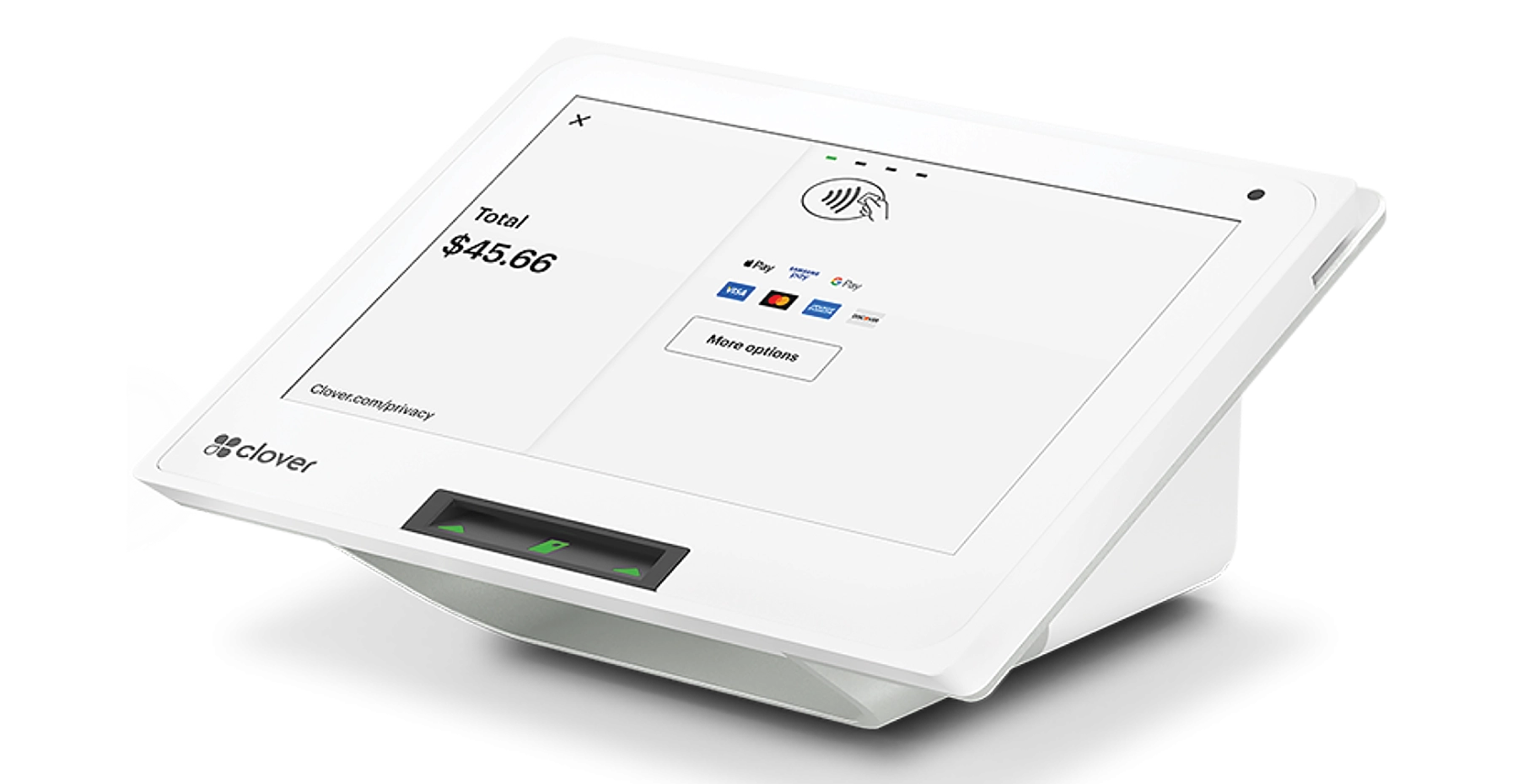
Adopting advanced point-of-sale (POS) systems, such as Clover POS, can enhance operational efficiency:
-
Inventory Management: Real-time tracking helps maintain optimal stock levels and reduces waste.
-
Sales Analytics: Detailed reports provide insights into customer behavior and sales trends.
-
Integrated Payments: Support for various payment methods, including contactless and mobile payments, caters to diverse customer preferences.
-
Customer Engagement: Loyalty programs and targeted promotions can be managed directly through the POS system.
Conclusion
The retail sector in 2025 is at a crossroads, with significant closures reshaping the market. However, for agile and tech-savvy small businesses, this period offers a chance to adapt and thrive. By embracing innovative solutions like Clover POS, businesses can enhance customer experiences, streamline operations, and position themselves for long-term success.
For more insights like this, keep up with the VMS blog—where small business meets big tech without the fluff.