

In a rare moment of political unity, the U.S. Senate unanimously passed the No Tax on Tips Act — a bill that’s poised to shake up the service industry in the best way possible. And if you’re a restaurant owner, server, barista, bartender, or small business champion, this is news worth uncorking a bottle over.
The legislation, which will exempt tipped income from federal income taxes, is not just about payroll lines and W-2s — it’s about recognizing the hustle behind every shift, every latte, every plate cleared. Following the recent tips pass in Congress, a new tax deduction for tipped income was introduced as part of federal law, allowing eligible workers to deduct a portion of their tip income. This blog breaks down what the bill is, how it affects small businesses, and why this is a game-changer for the restaurant industry. Oh, and yes — we’ll tie it back to how Velocity Merchant Services is helping restaurants gear up for this new chapter.
Let’s dig in (pun fully intended).
What Is the “No Tax on Tips” Federal Law?
The No Tax on Tips Act is exactly what it sounds like: a proposal to eliminate federal income taxes on tips earned by employees in the service industry. That means tipped workers — waitstaff, bartenders, valets, and others — won’t have to report those tips as taxable income to Uncle Sam.
Not every dollar slipped across the table counts the same way. Under the new law, here’s how tips work: only voluntary tips—those given at the customer’s discretion and not as part of a mandatory service charge—are considered deductible tips and can be used to deduct qualified tips from your taxable income. To qualify for the tip deduction, tips must be voluntary, not part of a mandatory service charge, and must be properly reported on forms such as W-2 or 1099. Only deductible tips that meet these criteria are eligible for the deduction.
This legislation isn’t just a political stunt or campaign fluff. It passed unanimously in the Senate. In a time when getting Congress to agree on what to order for lunch is nearly impossible, that’s saying something.
Here’s what the bill does:
-
Eliminates federal income taxes on tipped wages.
-
Requires employers to continue reporting total tips for transparency.
-
Leaves Social Security and Medicare taxes in place (for now), although there are whispers of future reform.
To ensure you can deduct qualified tips, it’s crucial to accurately report tip income and keep proper documentation.
While it still needs to pass the House and be signed into law by the President, the momentum is undeniable.
Eligibility and Qualified Tips
Not every dollar slipped across the table qualifies for the new “No Tax on Tips” deduction. To take advantage of this tax break, you need to be an eligible worker in an occupation where tipping is customary—think servers, bartenders, hotel staff, salon workers, and other guest services pros. The Treasury Department has published a comprehensive list of over 60 eligible occupations across eight categories, so if you regularly receive tips as part of your job, chances are you’re covered.
But not all tips are created equal. Only qualified tips count toward your federal taxable income deduction. Qualified tips are voluntary payments from customers—whether in cash, on a credit card, or via debit. These are the classic “thanks for great service” tips, not mandatory service charges or automatic gratuities added to large parties’ bills. If it’s negotiated or required, it doesn’t count for the tips deduction.
Eligible workers can deduct up to $25,000 in qualified tips from their taxable income each year, but keep in mind that income limits and deduction phase-outs apply. The higher your total income, the more the deduction begins to phase out, so check the latest IRS guidance to see where you stand. The bottom line: if you’re in a tipping occupation and your tips are truly voluntary, you could see a significant reduction in your federal tax on tips.
Tip Reporting and Withholding
Even with the new tax on tips deduction, accurate tip reporting remains essential. Tipped workers are still required to report all their qualified tips to their employer, who in turn is responsible for withholding federal income tax and paying federal payroll taxes—like Social Security and Medicare—on those reported tips. Employers must also report these tips to the IRS on your W-2 form.
For tax year 2025, employers won’t need to separately identify qualified tips on the W-2, but starting in 2026, they’ll be required to do so. This change helps ensure that both workers and the IRS can track which tips are eligible for the deduction. If you underreport your tips or fail to report them altogether, you could face penalties, fines, and even lose out on the tax on tips deduction.
Bottom line: keep daily tip logs, report your tips accurately, and make sure your employer is up to speed on the new rules, including whether programs like the IRS’s new Service Industry Tip Compliance Agreement (SITCA) tip reporting program make sense for your business. That way, you’ll be able to claim your full tips deduction and avoid any unwanted attention from the IRS.
Why Now? The Pressure Behind the Legislation
A few things lit the fire under this bill:
-
The COVID-19 Effect
The pandemic decimated the hospitality industry. Servers, bartenders, and support staff were among the hardest hit — many living off a fraction of their usual income or out of work entirely. The recovery has been slow and uneven, with smaller establishments feeling the pinch the hardest. -
Inflation and Cost of Living
Even as restaurants reopen, tipped workers are struggling to keep up with rising rents, gas prices, and grocery bills. Wages haven’t kept pace. Removing the tax burden on tips is a direct way to boost take-home pay without putting the squeeze on employers. -
Political Strategy
Let’s be real: this is also smart politics. Supporting the working class — especially in swing states filled with independent restaurants and diners — is a strategic win on both sides of the aisle.
How Will This Affect Tipped Employees?
In short: more money in their pockets — and this change builds on broader conversations like Trump’s no-tax tip pledge and its potential impacts on workers and small restaurants.
Currently, tipped employees must include tips as part of their gross income for tax purposes, and these are reported to the IRS by employers on the W-2 form. A busy Friday night might mean hundreds in tips… followed by a not-so-fun surprise come tax season. The new law changes how this tip income is taxed.
With the new legislation:
-
Tips are no longer counted as taxable income.
-
Servers keep 100% of what they earn in tips (federal tax-free).
-
W-2 income still applies for hourly wages, but those are typically minimal in the industry.
The amount of tax savings depends on the employee’s tax bracket and tax filing status. For example, for individuals in the 12% tax bracket, deducting the full $25,000 in tips could result in a tax savings of up to $3,000.
For a server making $30,000 a year in tips, that’s potentially thousands of dollars in tax savings annually. That’s rent. That’s car payments. That’s groceries. And maybe even a vacation that doesn’t involve sleeping in the back of a Honda Civic.
The tip deduction begins to phase out for single filers with a modified adjusted gross income (MAGI) over $150,000 and for joint filers over $300,000. For every $1,000 of MAGI over the applicable threshold, the deduction is reduced by $100, potentially reducing the deduction to $0. Married couples must file jointly to claim the full tip deduction, which is capped at $25,000 for their combined qualified tips.
Depending on withholdings and credits, some workers may receive a tax refund after filing, even with the new deduction.
Social Security and Tax Implications
While the “No Tax on Tips” deduction is a big win for reducing your federal income tax bill, it doesn’t mean all taxes on tip income disappear. Social Security and Medicare taxes—collectively known as federal payroll taxes—still apply to all tip income, including qualified tips. Both you and your employer are responsible for paying your share of these taxes, so don’t be surprised if you still see deductions for Social Security and Medicare on your pay stub.
Additionally, depending on where you live, you may still owe state income taxes on your tip income. Not all states follow the federal lead, so check your state’s tax laws to see if your tips are still considered taxable income at the state level.
It’s also important to note that the deduction could impact your eligibility for certain tax benefits, like the Earned Income Tax Credit (EITC), since your reported income may be lower. Make sure to review how the tips deduction affects your overall tax situation, especially if you rely on other credits or deductions.
The Taxman’s Take: Will the IRS Lose Revenue from the Tax on Tips?
Yes, technically. But this is one of those rare instances where the government seems willing to take the hit — because the optics (and the economics) make sense. These tax cuts, introduced as part of the broader ‘big beautiful bill act,’ are designed to provide relief for tipped workers, even as critics argue they favor the wealthy and impact funding for social programs.
Supporters argue that:
-
The administrative burden of tracking and taxing tips often costs more than it brings in.
-
The legislation will encourage more transparency from workers who might otherwise underreport tips.
-
The economic stimulation effect of workers spending more of their untaxed income will offset the loss.
In other words: it might actually be a win-win.
What About Small Businesses? Restaurant Owners? Bar Managers?
This is where things get interesting — and even better.
If you operate a small business, own a restaurant, or manage a bar, the no tax on tips deduction can have a significant impact on your bottom line. Not only do employees benefit, but business owners may see reduced payroll tax liabilities and simplified reporting, especially when paired with modern payment processing for small businesses that keeps transactions and tips organized. Tips received through a tip pool are also eligible for the deduction, provided they are properly reported and allocated according to IRS guidelines.
6.1 What does this mean for employers?
-
Employers must ensure that all tips, including those distributed through a tip pool, are accurately reported.
-
Employers are still responsible for income tax withholding and federal income tax withholding on non-tip wages paid to employees.
-
Proper documentation and compliance with IRS rules are essential to avoid penalties.
For self employed individuals and self employed workers who receive tips, different reporting and deduction rules apply. These individuals must report tip income on their tax returns and can only deduct up to their net income from tip-based work, subject to specific phase-out thresholds based on gross income.
Less Payroll Headache
Most restaurant owners already walk a tightrope between managing tip declarations, withholding taxes, and staying compliant with the IRS, all while juggling multiple devices that a single all‑in‑one Clover POS system could replace. This bill simplifies things drastically. If tips are no longer taxed:
-
Employers don’t have to calculate or withhold federal income tax on those tips.
-
Fewer W-2 complexities.
-
Less chance of errors (and fewer panicked calls to your accountant in April).
Better Employee Retention
In an industry plagued by high turnover, happier employees are gold. If workers take home more money, they’re less likely to jump ship — especially in smaller towns where options are limited, and tools like touchscreen POS designs that encourage higher tips can make a noticeable difference in take‑home pay.
Easier Hiring
Let’s face it — Gen Z isn’t exactly rushing to wait tables these days. But advertising “100% tax-free tips” might be the hook that gets more people applying, especially when paired with modern tools like a Clover bar POS system that streamlines tabs and inventory.
More Transparent Tipping Culture
The “tip skimming” issue — where owners or managers improperly collect or redistribute tips — is under more scrutiny than ever. This bill creates more incentive for owners to keep tipping practices transparent, especially since reporting becomes easier and modern tools like a POS system built for coffee shops with robust tip features help track every gratuity.
Effective Date and Expiration
Timing is everything when it comes to tax savings. The “No Tax on Tips” deduction kicks in for tax years 2025 through 2028. That means if you receive qualified tips in 2025, you’ll be able to claim the deduction on your 2025 federal tax return, which you’ll file in 2026. The deduction is set to expire after the 2028 tax year unless Congress decides to extend or make it permanent.
If you regularly receive tips, mark your calendar and keep good records for these tax years. Missing the window could mean missing out on valuable tax savings, so stay informed and be ready to claim your tips deduction on your tax return each year it’s available.
State Tax Conformity
While the “No Tax on Tips” deduction is a federal income tax benefit, its impact on your state income taxes depends on where you live. Some states automatically conform to changes in the federal tax code, which means they’ll adopt the new tips deduction without any extra steps. Other states have their own tax codes and may not recognize the federal income tax deduction for tip income.
If you receive tips, it’s crucial to check with your state tax agency or a tax professional to see if you can claim the deduction on your state tax return. Some states may have unique rules or additional requirements for reporting tip income, so make sure you’re in compliance with both federal and state law. Staying informed about your state’s approach to the tax on tips deduction can help you maximize your tax benefits and avoid surprises at tax time.
Potential Challenges and Questions
This isn’t a total walk in the park, though. Here are a few curveballs business owners should prep for:
-
Will states follow suit?
Federal taxes might be waived, but unless states align, employees could still owe income tax on tips at the state level. Business owners need to stay updated on their state’s stance. -
How will it impact credit card tips?
Businesses often process card tips, and those go through payroll systems. Adjusting systems to avoid tax deductions on tips will take some software updates and probably a few headaches (more on that in a second). -
Could this change tipping habits?
Some customers might tip less, assuming workers are now “better off.” Messaging will matter here. -
Reporting requirements and deduction limits:
If you receive $20 or more in tips during a month and do not report them to your employer (unreported tips), you must use Form 4137 to calculate the Social Security and Medicare taxes owed on those tips. Tips reported to your employer are subject to different rules. If total tips from a single employer are less than $20 in a calendar month, you are not required to report them to your employer but must still report them on your annual tax return. Cash tips must be tracked and reported, while mandatory service charges are considered non-tip wages and do not qualify for the deduction. -
Deduction phases and income limits:
The no tax on tips deduction begins to phase out for single filers with a modified adjusted gross income (MAGI) over $150,000 and for joint filers over $300,000, reducing the deduction by $100 for every $1,000 over these thresholds. Both adjusted gross income (AGI) and MAGI are used to determine eligibility and the extent of the deduction. Additionally, the deduction cannot exceed your net income from tip-based work.
How Velocity Merchant Services Helps Restaurants Prepare
If you’re a restaurant owner reading this and thinking, “Okay, this is big — what should I actually do about it?” — we’ve got your back.
To claim the $25,000 deduction, you must have a valid social security number. Married individuals filing separately cannot claim the $25,000 deduction.
At Velocity Merchant Services, we live and breathe small business (seriously — it’s in our bloodstream). This legislation ties directly into what we help restaurants with every day:
1. POS Systems That Handle Tip Adjustments Effortlessly
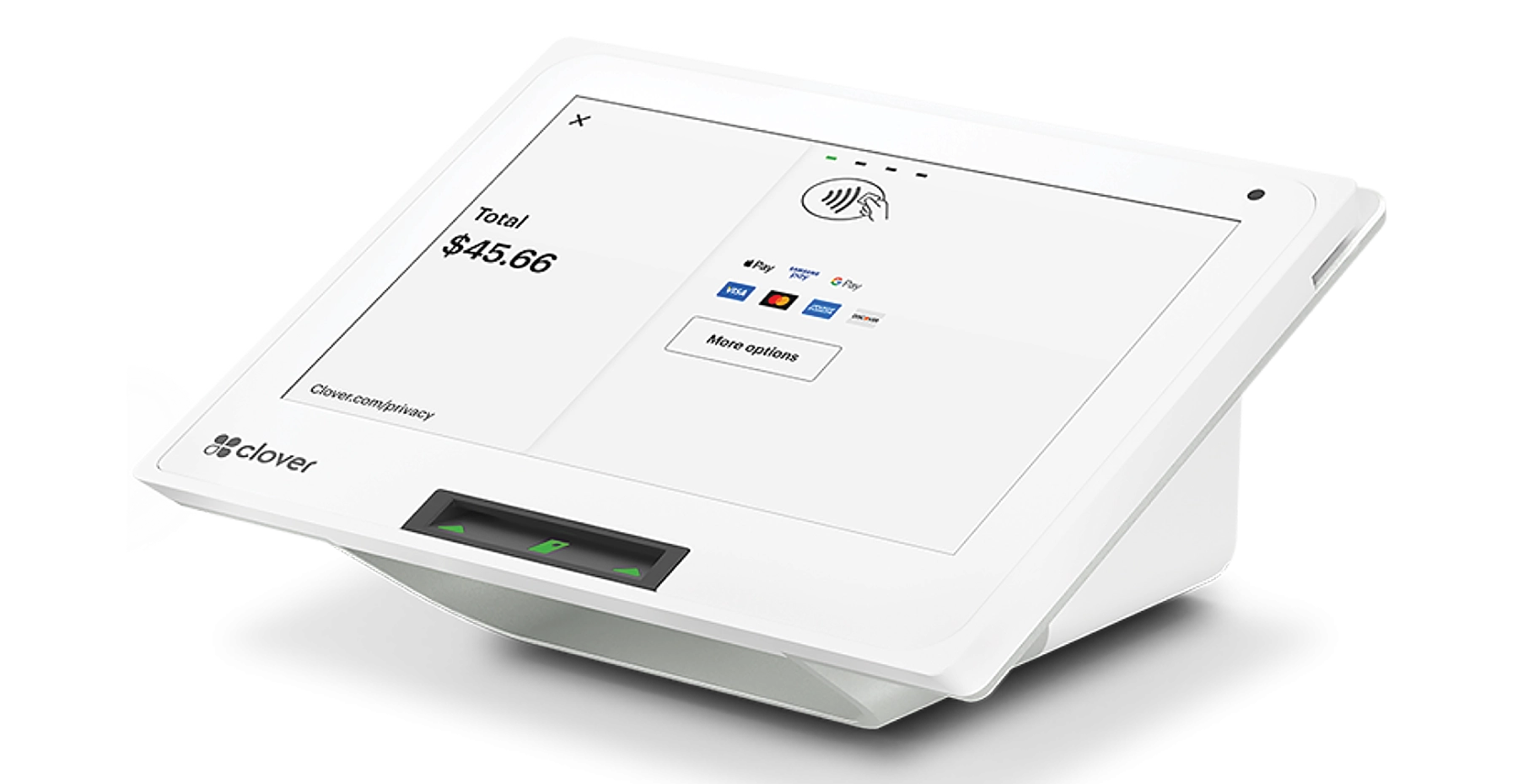
Our Clover POS systems are built for flexibility. Whether your tips come in via card, tap, or online order, we’ll make sure your system — and the Clover POS software plan you choose — are the right fit to support accurate tip handling under the new rules.
-
Handles tip reporting correctly (and tax-free, once implemented).
-
Updates reporting to reflect new IRS guidelines as they roll out.
-
Lets your staff split, pool, and track tips without Excel gymnastics.
2. Cash Discount Programs That Let You Keep More of What You Earn
Want to offset rising costs without raising your menu prices? Our Cash Discount Program helps you cover processing fees and keep your margins healthier by implementing a compliant cash discount pricing strategy that reduces card processing costs. More income for your staff from tips, more savings for you on the back end.
3. Guidance Through the Transition
As new federal rules hit, you don’t want to be left Googling “how to update tip reporting Clover 2025” at midnight. Our team will walk you through every change — human to human, whether you’re updating your main POS or rolling out customer‑facing tools like a Clover Kiosk self‑service ordering system.
Not sure how these changes affect your business?
VMS keeps merchants ahead of card network rules, fee changes, and compliance deadlines — with a specialist who explains what actually matters for your store.
Or call our team: 888-902-6227
Final Thoughts: A Tip Toward the Future
The unanimous Senate vote wasn’t just symbolic — it was historic. The No Tax on Tips Act is a recognition of something many of us already knew:
Tipped workers are some of the hardest-working people in the country. And small business owners? They’re the backbone that makes it all run.
Eliminating taxes on tips won’t solve every challenge, but it’s a massive step in the right direction — one that puts more money in the hands of everyday people and gives business owners one less bureaucratic burden to deal with.
At Velocity Merchant Services, we’ll continue to fight for small businesses — and help you adapt to whatever Washington throws next.
Ready to upgrade your POS and prep your restaurant for the new tip tax rules? Let’s chat. We’ll show you how to modernize your payments, automate your reporting, and give your staff a system they actually like using.
For more insights like this, keep up with the VMS blog—where small business meets big tech without the fluff.
Have questions about these changes?
Fill out the form below and a VMS payment specialist will contact you shortly.