

What’s in the Proposal?
Trump’s promise, first made during a campaign rally and later repeated in public addresses, aims to:
-
Eliminate federal income taxes on tipped wages, which would mean workers keep 100% of their reported tips.
-
Stop taxing Social Security benefits, allowing retirees to receive full benefit payments without federal deductions.
At first glance, it sounds like a win-win: more money in employees’ pockets and more financial freedom for seniors. But like most things in politics and business, the full story is a bit more nuanced — especially for small restaurant owners.
Immediate Perks for Restaurant Workers
Let’s start with the obvious winners — tipped employees, whose livelihoods are closely tied to how smoothly point-of-sale credit card processing works at the table and bar.
If the federal government stops taxing tips, it could significantly boost take-home pay for servers, bussers, bartenders, and anyone else working for gratuities. Currently, tips are considered taxable income, and servers often see a chunk of that vanish come tax time. Modern cloud-based POS systems for restaurants make it easier to track those tips accurately while giving owners better visibility into labor costs.
Here’s how it could impact workers:
-
A server earning $300 a week in tips could potentially keep an extra $3,000–$5,000 a year, depending on tax bracket and state taxes.
-
This added income could improve morale, reduce turnover (which is notoriously high in hospitality), and make restaurant jobs more attractive.
Workers are entitled to these benefits under wage laws, which are designed to ensure fair compensation and protect employee rights.
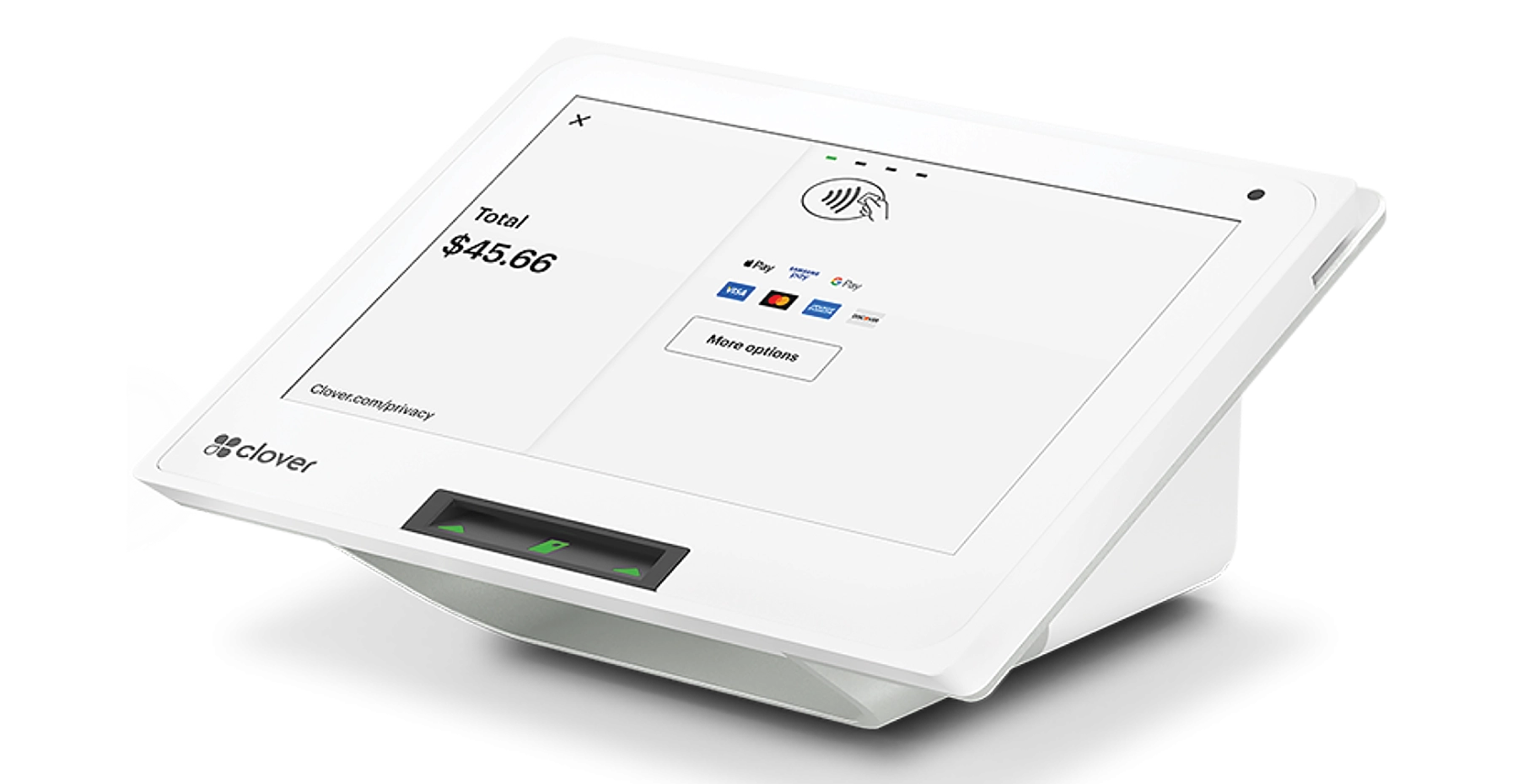
For small restaurants, this could mean happier staff, less hiring churn, and better service overall—especially when paired with an all‑in‑one Clover POS system that streamlines ordering, payments, and staff management. And that’s all good… right?
Increased wages for low-wage workers can also boost the overall economy due to increased consumption. Moderate increases in minimum wage consistently boost pay for the lowest earners and often create a “ripple effect,” raising wages for those earning slightly above the new minimum.
Well, let’s flip the plate.
The Catch for Business Owners
Removing federal taxes on tips may seem like a burden lifted — but for restaurant owners, it could bring some unexpected curveballs. Employers must still meet their payment obligations under wage laws, ensuring that all employees receive at least the minimum wage, and may face wage claims or enforcement actions if these requirements are not met, just as they must stay compliant with complex automated sales tax requirements that vary by state.
Businesses, particularly in retail and food service, face higher operating costs due to minimum wage increases. These increased costs often force them to raise prices for consumers to maintain profitability, making it more important to choose the best POS devices for small businesses that can handle inventory, reporting, and labor more efficiently.
The impacts of minimum wage laws are mixed: while they generally increase worker income and improve morale, they can also lead businesses to raise prices, reduce hiring, automate tasks, or cut employee hours. For example, labor-intensive industries like restaurants may see a 1–2% increase in operating costs for every 10% wage hike, which is why many owners turn to subscription-based cloud POS plans to tighten operations and protect margins.
1. Wage Adjustments and Staff Expectations
When employees take home more, there might be pressure on employers to adjust hourly wages downward. After all, why pay more in base pay when tips are now more lucrative? However, minimum wage rates are often adjusted annually, typically in January, to account for inflation and ensure that wages keep pace with the cost of living.
But here’s the twist: many states have strict minimum wage laws, and the federal tip credit still requires employers to ensure workers make at least the standard minimum wage after tips. Adjusting base pay could trigger employee dissatisfaction, or worse, turn a happy crew into a grumbling one.
In the first year and subsequent years of phased minimum wage increases, states like California, Oregon, and Washington adjust their minimum wage annually based on a set formula, often tied to inflation. For example, as of 2023, California’s minimum wage is $16.90 per hour, and after reaching $15, further increases are adjusted annually for inflation based on the national consumer price index for urban wage earners and clerical workers (CPI-W). The District of Columbia has the highest minimum wage in the United States at $17.95 per hour, which is also adjusted annually. In New York, the minimum wage is $17.00 per hour in New York City and $16.00 in the remainder of the state, with adjustments based on federal rates when applicable.
Looking ahead, 22 U.S. states and dozens of cities are scheduled to raise their minimum wage floors in 2026, many now indexed to inflation for automatic yearly adjustments. Some states, like Maine and Montana, automatically adjust their minimum wage to match any increase in the federal minimum wage, effective on the same date—January 1. Annual adjustments tied to inflation help prevent the real value of the minimum wage from eroding over time.
2. Payroll and Tax Reporting Complexity
The IRS currently requires employers to track, report, and pay employment taxes on tipped income. If tips become tax-free:
-
Will the IRS stop requiring tip reporting?
-
Will the employer still owe payroll taxes like Social Security and Medicare on untaxed tips?
Until these questions are answered, restaurant owners may be stuck in limbo trying to navigate conflicting tax rules. That means more accountant hours, more software updates, and possibly more legal exposure if things get messy.
3. Customer Behavior and Tipping Culture
This one’s sneaky: once the general public hears that tips are no longer taxed, some diners might feel less obligated to leave generous tips, figuring “they don’t need it — it’s all tax-free now!”
That could backfire hard, especially in communities where customers are already pushing back on tipping fatigue. Restaurants could see average tip amounts fall, hurting the very people the law was meant to help.
Compliance and Enforcement: Navigating New Rules
For restaurant owners, staying compliant with minimum wage laws is non-negotiable—especially as rules evolve. The Wage and Hour Division of the U.S. Department of Labor is the main authority enforcing federal minimum wage standards, including the Fair Labor Standards Act (FLSA). This means employers must pay at least the current federal minimum wage of $7.25 per hour, but that’s just the baseline. Many states and even some cities have their own minimum wage rates, which can be higher than the federal minimum.
If new legislation or changes to tip taxation come into play, employers will need to keep a close eye on updates to federal minimum wage, state minimum wage law, and local minimum wage ordinances. This is especially important for restaurants employing fast food workers, minor employees, and tipped workers, all of whom may be subject to different wage rates and labor standards, and who may benefit from partnering with a provider that answers common merchant services FAQs for small businesses.
The Wage and Hour Division offers resources like fact sheets, compliance posters, and webinars to help employers understand their obligations. Staying informed and proactive is the best way to avoid costly violations and ensure all employees—whether tipped, hourly, or minors—are paid correctly for every hour worked. As wage law continues to evolve, regular check-ins with the Department of Labor’s guidance can help small businesses stay ahead of the curve.
Worker Rights and Protections: What Changes?
Worker rights and protections are at the heart of minimum wage laws, ensuring that everyone from fast food workers to tipped employees and minor employees receives fair pay for their work. The federal minimum wage, state minimum wage, and local minimum wage laws all work together to set the floor for compensation, but many states and cities have gone further by enacting higher minimum wage rates—like California’s $16.90 per hour.
Employers must also follow overtime pay rules, which require paying one and a half times the regular rate for any work performed over 40 hours in a week. These protections apply to all covered employees, including tipped workers and minors, ensuring they receive the same minimum wage as adult employees unless specific exceptions apply. For example, nonprofit organizations and apprenticeship programs may have different wage requirements, but these are clearly outlined by the Labor Standards division of the Department of Labor.
Understanding these rules is essential for both employers and employees. The Department of Labor provides detailed guidance on minimum wage, overtime pay, and exceptions, helping everyone navigate the complexities of wage law. By staying informed and compliant—and leaning on 24/7 expert VMS support for Clover POS when payment systems or reporting questions pop up—restaurant owners can protect their business and ensure their workers are treated fairly—no matter how the laws change.
Federal and State Coordination: Who Sets the Rules?
When it comes to minimum wage, the rules aren’t always straightforward. The federal government sets the national minimum wage through the Fair Labor Standards Act (FLSA), currently at $7.25 per hour. But states and local governments have the authority to set their own minimum wage rates, which can be higher—or in some cases, lower—than the federal minimum wage.
For example, states like New York and California have enacted higher minimum wage rates, while others, such as Texas and Florida, stick closer to the federal minimum. Local governments, including cities and counties, can also pass their own minimum wage ordinances, sometimes resulting in a patchwork of wage rates within a single state. This means employers must pay close attention to where their employees are working and which wage laws apply.
The Department of Labor provides guidance to help employers navigate this complex landscape, including information on minimum wage rates, overtime pay, and exceptions. Understanding the interplay between federal, state, and local laws is crucial for compliance—especially for businesses operating in multiple locations or across state lines, where choosing between providers like VMS vs. Square for payment processing can also affect how easily you manage tips and wage reporting. Staying up to date with new legislation and local ordinances ensures that both employers and employees know their rights and responsibilities.
Public Perception and Awareness: The Tipping Point
Public perception plays a powerful role in shaping minimum wage laws and the broader conversation around fair pay. The current federal minimum wage of $7.25 per hour has remained unchanged since 2009, sparking debates about whether it’s enough to support workers in today’s economy. In response, some states and local governments have enacted higher minimum wage rates—like the $15 per hour minimum wage seen in several major cities.
However, the debate isn’t one-sided. While advocates argue that a higher minimum wage is necessary for a living wage, others worry it could lead to job losses or increased costs for small businesses. These differing viewpoints influence policy decisions and can affect how employers approach wage and hour practices.
The Labor Standards division of the Department of Labor tracks public opinion, worker demographics, and minimum wage rates, providing valuable data for employers and policymakers alike. By staying aware of public sentiment and legislative trends, restaurant owners can better anticipate changes, communicate effectively with their teams, and ensure compliance with all applicable wage laws. In a rapidly changing landscape, understanding the tipping point of public perception can make all the difference for your business.
Social Security Changes: A Retirement Boost?
Now, let’s switch gears to Social Security.
Currently, about 12 states tax Social Security at the state level, and the federal government applies income taxes to those earning over a certain threshold in retirement. Trump’s pledge would eliminate federal taxation completely.
Here’s how that ties back to small restaurants:
-
Older Americans often work part-time in food service, either for supplemental income or social engagement.
-
If Social Security benefits go untaxed, that population may be less dependent on additional work, leading to a potential labor shortage — especially among experienced workers who are dependable and skilled.
On the flip side, retirees with more disposable income may be more likely to eat out and tip generously — which would be a win for restaurants in retirement-heavy communities.
Will This Become Law?
Great question. Let’s be real: campaign pledges don’t always become policy. For this to actually happen, the proposal would need to pass through both houses of Congress and survive the budget scrutiny that comes with major tax changes.
And there’s a cost. Removing taxes on tips and Social Security benefits could:
-
Cost the federal government billions in tax revenue.
-
Accelerate the insolvency timeline of the Social Security Trust Fund.
-
Complicate existing labor laws tied to taxable income.
Unless offset by other tax increases or spending cuts (which rarely go down smoothly), this could be a tough political sell — even with full Republican support.
What Should Small Restaurant Owners Do Now?
If you’re a small business owner running a restaurant, here’s how to stay ready:
-
Stay Informed: Tax law changes move fast. Follow updates from the IRS, your state’s labor department, and restaurant associations like the National Restaurant Association. Also, monitor city and county minimum wage ordinances, as local governments may set their own minimum wages that differ from state or federal rates.
-
Talk to Your Accountant: A heads-up conversation now could save you a headache later. Ask how your payroll system and tax strategy would need to change. The U.S. is unique in allowing federal, state, and local governments to set their own minimum wage rates, so employers must determine which laws apply to their employees working in different locations.
-
Keep Your Team in the Loop: Employees might hear about “tax-free tips” and expect immediate changes. Let them know this is a proposal — not a done deal.
-
Reevaluate Hiring and Compensation Plans: If passed, this law could change your staffing dynamics. Be prepared to offer creative incentives that go beyond just money — like flexible shifts, paid training, or employee perks.
-
Monitor Tipping Trends: If customer behavior shifts in response to this policy, be ready to adjust your service style, suggested tip percentages, or even consider service charges if tipping drops significantly.
-
Ensure Compliance: Employers must ensure they are following the highest applicable minimum wage for all employees working in their business, based on city, county, state, or federal law. This protects your business and your staff from legal issues and ensures fair pay.
Not sure how these changes affect your business?
VMS keeps merchants ahead of card network rules, fee changes, and compliance deadlines — with a specialist who explains what actually matters for your store.
Or call our team: 888-902-6227
Final Thoughts
Trump’s proposal to eliminate taxes on tips and Social Security benefits is stirring up major conversations — and rightly so. For small business restaurants, it could mean more cash in employees’ hands, better staff retention, and potentially more diners walking through the door.
But with those upsides come big questions around payroll complexity, tipping culture, and long-term economic impact. Whether you’re for it or against it, one thing is clear: if this becomes law, it’ll reshape the service industry in a very real way.
So for now, keep your apron on, your books clean, and your eye on Washington — because this tax change could hit your kitchen sooner than you think.
Want help managing your payroll or upgrading your POS system to make tipping easier? Velocity Merchant Services has your back. From Clover systems to custom solutions for restaurants to payment processing tailored for auto shops and dealers, we help small businesses navigate change and come out stronger. Let’s talk.
For more insights like this, keep up with the VMS blog—where small business meets big tech without the fluff.
Have questions about these changes?
Fill out the form below and a VMS payment specialist will contact you shortly.