

Even if you’re too young to remember, we can assure you — debit and credit cards haven’t always been the preferred way to pay for things. Cash used to be king at the register — even though it’s been largely displaced from its throne in favor of credit and debit cards and mobile wallets, giving rise to the cashless business. Today, businesses moving toward cashless options are part of a broader trend as we head toward a cashless society.
A few years ago, Visa hosted the Cashless Challenge, in which 50 owners of small businesses won $10,000 apiece for refusing to accept any more cash payments at their respective establishments. Many owners who choose to stop taking cash at their businesses do so to save time at the point-of-sale and to offer a range of cashless options, providing flexibility for both businesses and customers.
If you run a fast-food restaurant, for example, you may be able to serve more people during your rush hours if you refuse to accept cash payments. Customers no longer need to carry cash, which increases convenience and speeds up cashless transactions. Serving more people every day can add to your bottom line in both the short- and long-term.
With the rise of digital and online payments, adopting a cashless-first approach can help businesses stay competitive in a changing payment landscape by using integrated point-of-sale credit card processing that supports multiple payment types.
Benefits of only accepting cashless payments
-
Lower labor costs: Before each shift, employees generally have to count the money in their cash drawers. Counting cash takes time even when employees are used to counting bills and change quickly.
-
Reduced risk of theft: Cash-only businesses are susceptible to employee theft. Unfortunately, they may be the target for being robbed by a third-party as well.
-
Expedited checkouts: If your business accepts cash payments, your customers will have to count their money, and your employees will have to recount the cash and correct change — which will invariably be recounted by the customer. This process can stall a checkout line pretty quickly, which may cause some people to abandon their purchases. A cash free or completely cashless checkout process can further speed up transactions and reduce wait times, especially during peak hours.
-
Eliminates the risk of counterfeit bills: If your business stops taking cash, you won’t have to worry about payments made with counterfeit bills. With counterfeit money typically in bigger denominations of $20 or more, eliminating this threat can save you significant sums of money.
Card only businesses may benefit from simplified operations, but should consider the impact of card company fees on their cost structure, especially as cash payments are declining and card payments dominate in many industries.
Going cashless may provide one other benefit. Depending on your organization’s insurance carrier, refusing to trade in cash at your establishment may lower your insurance premium.
Additionally, cashless systems generate valuable payment data that can be used to optimize business operations and better understand customer behavior.
The Downsides of Going Cashless
With cashless business offering so many potential benefits, it may be difficult to imagine why any business would refuse to go cashless. The reality is, there are some downsides to only accepting cashless payments. The most considerable one is that going no-cash may cause some people to shop elsewhere. You need to remember that not everyone has a card or mobile wallet, and some people prefer to operate on a cash basis to stay within their budget. Trends in cash use and cash usage show that certain demographics and industries, such as fast food, grocery stores, and retail shops, still rely heavily on cash transactions.
Another significant pitfall involves merchant fees. Service providers charge fees to process payments made with mobile wallets, credit cards and debit cards. While those fees are usually negligible, you still must take them into consideration — because cash transactions don’t involve ancillary fees unless your bank charges you a fee to accept cash deposits. However, network disruptions can make digital payments temporarily unavailable, which is why some customers and businesses continue to value physical cash and paper money for reliability and accessibility. Additionally, handling cash comes with its own costs and security risks, such as the need for armored car services to transport and secure cash deposits.
Cashless payments can help improve cash flow by streamlining revenue management and reducing administrative burdens.
Legality and Discrimination Concerns
As more businesses consider whether to go cashless, it’s important to understand the legal and ethical implications of refusing to accept cash payments. In the United States, there is no federal law that requires private businesses to accept cash for payment transactions. The federal “legal tender” statute (31 U.S.C. 5103) states that United States coins and Federal Reserve notes are legal tender for all debts, public and private, but it does not mandate that businesses must accept cash for consumer payments. This means that, at the federal level, private businesses can choose to no longer accept cash and instead require cashless payments.
However, the move toward cashless systems has sparked concerns about discrimination, especially for unbanked and underbanked households. According to the Federal Reserve, about 7.7% of U.S. households do not have a bank account, and nearly 18.7% rely on alternative financial services. For these individuals, cash transactions remain essential, as they may not have access to digital payment methods like Apple Pay, Google Pay, Samsung Pay, or even debit and credit cards. When businesses stop accepting cash, they risk excluding customers who depend on cash payments for everyday purchases.
Recognizing these concerns, several cities and states have enacted laws to protect consumers who rely on cash. Cities such as Philadelphia and San Francisco, as well as the state of New Jersey, have passed regulations requiring brick-and-mortar businesses to accept cash payments. These laws are designed to prevent discrimination against unbanked and underbanked populations and to ensure that everyone has access to goods and services, regardless of their preferred payment options.
While digital payment methods and mobile wallets offer convenience and can help reduce internal and external theft, businesses must balance these benefits with the need for inclusivity. Offering a range of payment options—including cash, contactless cards, and digital wallets—ensures that all customers can pay in the way that works best for them. Hybrid payment models, which combine cashless payment options with the ability to accept cash, can help businesses serve a broader customer base and avoid potential legal or reputational issues.
Ultimately, before deciding to go fully cashless, businesses should carefully consider their customer demographics, local regulations, and the potential impact on unbanked and underbanked households. By providing flexible payment processing solutions and prioritizing accessibility, businesses can stay ahead in the cashless revolution while ensuring that no customer is left behind.
Tired of unpredictable processing fees?
VMS offers cash discount and dual pricing programs that can bring your effective rate close to zero, plus a free statement review.
Or call our team: 888-902-6227
Velocity Merchant Services Offers the Best of Both Worlds
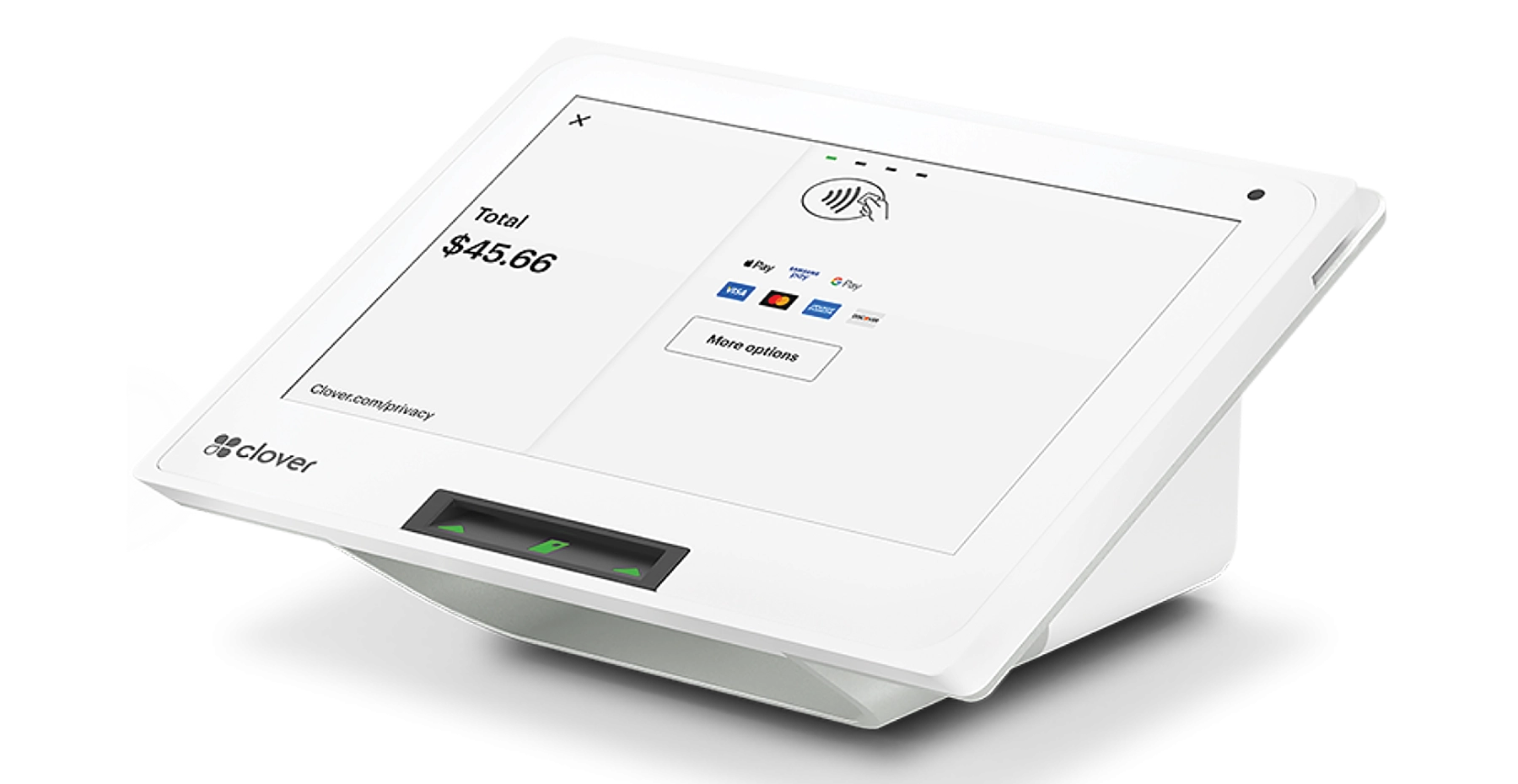
You don’t have to choose between going cashless or not when you get a POS system from Velocity Merchant Services. The Clover POS systems we sell support all transaction types, including cash, dip and contactless payments.
When you buy a Clover POS system from VMS and choose the best Clover POS plan for your business, you’ll enjoy the following benefits:
-
Free website
-
Lifetime warranty
-
Complimentary next-day shipping
-
Dedicated Clover specialist
-
Set up assistance
-
Round-the-clock support
What’s the biggest benefit of buying a Clover POS system from us? The versatility to accept all the payment types you want, of course. Contact us to learn more now!
Have questions about processing fees?
Fill out the form below and a VMS payment specialist will contact you shortly.