

by Jackie Navarrete
In 2025, small businesses are having a tough time. Costs are going up. Fewer people are shopping. And things like high interest rates, inflation, and new tariffs are making it harder for them to survive. As a result, many small shops are cutting jobs and trying to save money wherever they can.
Recent data shows that small businesses with fewer than 10 workers cut jobs by 3.5% in the first part of the year. Even though some made more money, owners are being careful. That’s a sign they’re worried about what’s coming.

Tariffs Are Causing Big Problems
In April, President Trump raised tariffs on goods from China to 145%. That’s a huge increase. For businesses that buy from China, it made things much more expensive overnight.
One example is WS Game Co., a small family business in Massachusetts. They make fancy versions of board games like Monopoly. Because of the tariffs, they had $500,000 worth of games stuck in China. They also lost $16 million in orders from big stores. The owner says they only have four months before they might go out of business.
“We can’t move production quickly,” said Jonathan Silva, the owner. “We just don’t have the money or time to make that change.”
Prices Are Going Up Fast
Jeremy Rice owns a flower shop in Kentucky. Almost all of the flowers he uses are made in China. Because of the tariffs, his vendors are raising prices by 20-25%. He stocked up ahead of time, but says he only has two to three months of flowers left.
“After that, I don’t know what we’re going to do,” he said.
Many store owners feel the same. Prices are going up fast, and it’s hard to find other places to get what they need.
People Are Spending Less
Even businesses not directly hit by tariffs are in trouble. That’s because customers are holding onto their money. Inflation and high interest rates are making people think twice before they spend.
Lisa McDonald owns a tea shop in Michigan. She sells special loose-leaf teas from all over the world. Some of her best teas cost $33 for a small bag. But if her prices go up because of tariffs, she knows customers won’t pay $75 for tea.
“We can’t just start growing tea in the U.S.,” she said. “It doesn’t work that way.”
How Payment Processing is Affected
There’s another problem small businesses are facing: payment processing costs. These are the fees they pay every time someone uses a credit card.
Normally, a store pays 2-3% of a sale to the credit card company. That might not sound like much, but when prices go up and sales go down, those fees hurt a lot more.
In Chicago, Damion Love runs a clothing store called Belle Up Boutique. His costs are rising because of tariffs, and he worries that raising prices will scare off shoppers. If he doesn’t sell as much, the credit card fees take an even bigger bite out of what he earns.
Credit Card Use Is Up, But Payments Are Down
Small businesses are relying more on credit to stay open. They’re using credit cards to buy inventory or pay bills, but many aren’t paying off those cards right away. That means debt is growing.
A University of Chicago study shows that this credit gap is growing. More card use. Less paying off. That’s a bad sign.
“Small businesses show us what’s coming,” said economist Ufuk Akcigit. “They’re already in trouble.”
Payment Services Need to Do More
Because things are so tight, small business owners are looking for better ways to accept payments. They need:
- Lower credit card fees
- Faster access to their money
- Tools to pass fees to customers if needed
- POS systems that handle inventory and payments together
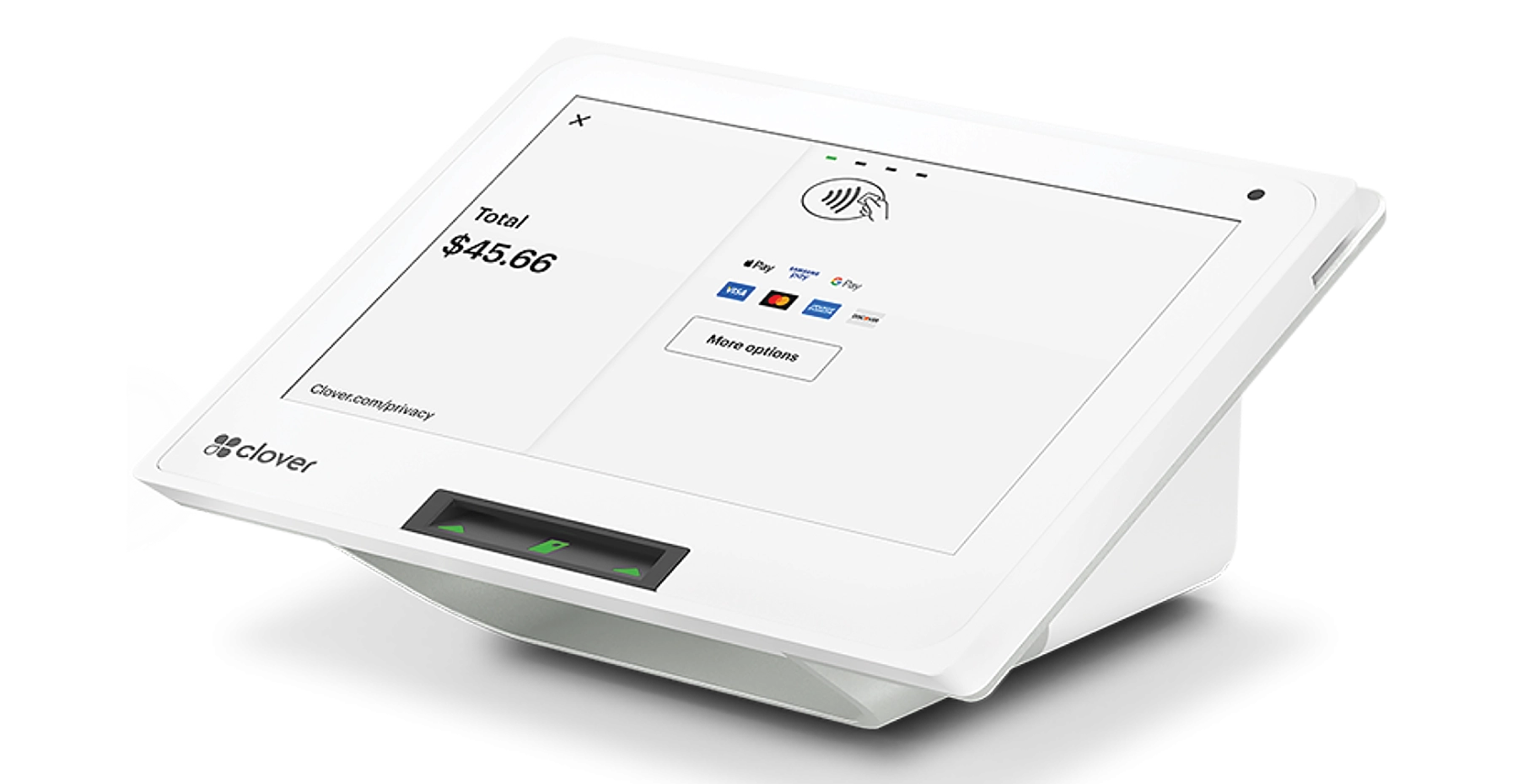
Smart point-of-sale (POS) systems like Clover can help with that. Companies like Velocity Merchant Services offer these tools to small businesses so they can spend less time on paperwork and more time on sales.
The Economy is Slowing Down
The Federal Reserve recently said that business activity is slowing. Fewer people are shopping, and businesses are waiting to hire new workers. Experts say a recession could happen this year.
Shipping companies are also seeing fewer goods coming into the U.S., which is another sign that the economy is slowing down.
In Oakland, a tree service business called Trees Company used to be booked weeks in advance. Now they have empty schedules. Owner Christopher Altman is using savings and credit to pay his team.
“I just kept waiting for orders that never came,” he said.
The Struggle is Everywhere
Jim Umlauf runs 4Knines, a company in Oklahoma that makes car seat covers. His products are made with materials from China. Now, the cost is too high. He says his company might run out of products soon.
Greg Shugar, who owns Beau Ties in Vermont, makes bow ties in America. But the fabric comes from China. If tariffs stay this high, he says his company might not survive the year.
Even if tariffs drop later, the damage might already be done. Many small business owners say the constant changes make it impossible to plan.
What Can Small Businesses Do?
- Check your payment processing fees – If you’re paying too much, look for better options.
- Use smarter POS systems – These systems can help you track sales, inventory, and even customers.
- Avoid over-ordering – Don’t get stuck with too much inventory.
- Give more ways to pay – Let people pay with debit cards, ACH, or mobile wallets.
- Reward your best customers – Use loyalty programs to encourage return visits.
- Add a Cash Discount Program – This allows you to offer lower prices for cash payments and offset credit card processing fees.
- Create Bundle Promotions – Use a POS system that supports bundling products together to add value without raising individual prices.
- Use Loyalty & Promo Tools – Encourage repeat business and bigger purchases through digital punch cards, points systems, and seasonal promos, all managed through your POS.
Final Thoughts
Small businesses are tough. But right now, they need help. Rising costs, fewer sales, and high payment fees are too much all at once. The good news? There are tools out there to help. With better POS systems and smart payment partners, businesses can cut costs, improve efficiency, and survive this rocky time. If your business is feeling the pressure, don’t wait. Look at your payment system. Find ways to lower costs and get your money faster. Because in 2025, it’s not just about doing business. It’s about surviving.