
Let’s be real—every customer has options. If they’re choosing to come back to your business, it’s because they trust you, love your product, or (if we’re being honest) they’re getting something they can’t get anywhere else. That’s where a loyalty program comes in. It’s more than a “thank you”; it’s a way to turn occasional shoppers into raving fans, all while growing your bottom line.
According to a survey, 61% of shoppers reported being less loyal to brands than they were the previous year, highlighting the increasing importance of loyalty programs in maintaining customer retention.
A well-crafted loyalty program does more than hand out freebies. Customer loyalty programs are strategic tools used by businesses to reward repeat customers, enhance engagement, and build long-term brand loyalty. It gathers valuable data, encourages repeat visits, and boosts your brand visibility in a crowded market. In this blog, we’ll break down not only how to create a loyalty program for your small business, but also how to make sure it doesn’t flop.
There are several types of loyalty programs, including points-based programs, tiered programs, paid membership programs, and gamified programs, which we’ll cover in detail.
Why Loyalty Programs Matter
Before we dive into the how-to, let’s talk about why a loyalty program is worth your time.
Loyalty programs aren’t just a perk—they’re a proven growth tool. They are highly effective at boosting customer retention by rewarding repeat purchases and increasing customer lifetime value (CLV). Studies show that returning customers spend 67% more than new ones and are 5x more likely to make another purchase. Increasing customer retention by just 5% can boost profits by 25% to 95%. Better yet, it costs far less to retain a customer than to acquire a new one—it is at least five times cheaper to retain existing customers than to acquire new ones. In other words, if you’re not rewarding your customers for coming back, you’re leaving money—and loyalty—on the table.
Businesses that implement loyalty programs report a positive impact on average ticket size, repeat customers, and overall revenue, with close to 80% of businesses reporting these benefits. Loyalty programs can significantly enhance customer retention by making customers more likely to return, which in turn reduces spending on advertising and marketing.
Step 1: Decide on the Right Rewards System
First things first: what’s the actual incentive?
Think about what your customers would want to earn—not just what’s easiest for you to offer. A good rewards system strikes a balance between motivation and sustainability. Having a good strategy when designing your loyalty program is essential—set clear objectives and track results to ensure your program drives customer engagement and business growth. Consider developing a loyalty strategy, which is a comprehensive approach that includes customer engagement, reward programs, and community building to foster retention and increase lifetime value. An effective loyalty program focuses on personalization, simplicity, and valuable rewards that encourage repeat visits.
Here are a few options to consider:
Points-Based Systems
Points-based loyalty programs reward customers with points for every purchase they make, which can later be redeemed for discounts or exclusive products. This type of loyalty rewards program is familiar, scalable, and works across industries—from coffee shops to clothing boutiques. A key feature is that customers can easily see how many points they have, often through an app or at checkout, which encourages them to redeem rewards and stay engaged.
Example: 1 point per $1 spent. 100 points = $10 off. Customers can see how many points they have accumulated and what rewards they can redeem.
Visit-Based Systems
Perfect for service businesses like salons, barbershops, or car washes. You reward repeat visits instead of purchase amounts.
Example: Get a free service after 10 visits.
Tiered Loyalty Programs
These systems use loyalty tiers to reward customers based on their long-term commitment or spending levels, with each tier offering more exclusive benefits. It’s a great way to encourage bigger purchases, more frequent shopping, and incentivize repeat purchases.
A VIP tier can offer exclusive rewards and perks to the most engaged customers. Tiered loyalty programs involve levels of membership that offer increasing rewards and benefits based on customer spending or engagement.
Example: Bronze, Silver, and Gold tiers with increasing perks.
Membership/VIP Programs
A membership program, also known as a paid loyalty program, requires customers to pay a flat fee to access exclusive perks. Paid loyalty programs offer benefits such as discounts or special services, which not only reward customers but also create a sense of belonging and community among members. This model works well if you offer premium services or high-ticket products.
Example: For $99/year, members join a paid loyalty program that gives them 10% off every purchase, early access to products, and birthday gifts—fostering a sense of community and shared values among your most loyal customers.
The key is aligning your rewards with your customer behavior. Ask yourself: what kind of customer am I trying to keep—and how often do they shop with me?
Step 2: Choose the Right Delivery System
Once you’ve settled on how customers will earn rewards, you need a point of sale (POS) system to track and deliver them.
POS-Integrated Apps
Many modern loyalty programs are integrated directly with your point of sale (POS) system. This allows customers to enroll in the loyalty program at the point of sale, and rewards are automatically tracked through the POS system during each transaction. With this integration, customers can seamlessly redeem their rewards both in store and online, making the experience convenient and unified across all channels.
Old-School: Punch Cards
These are cheap and easy, often taking the form of a traditional loyalty card or punch card system. However, they come with obvious drawbacks: they’re easy to lose, fake, or forget. You also can’t collect customer data.
Email-Based Programs
You can create email-based accounts where customers track their rewards through newsletters or account portals. It’s more secure and allows for direct marketing, but you’ll need a CRM or email tool to manage it well.
POS-Integrated Apps (Recommended)
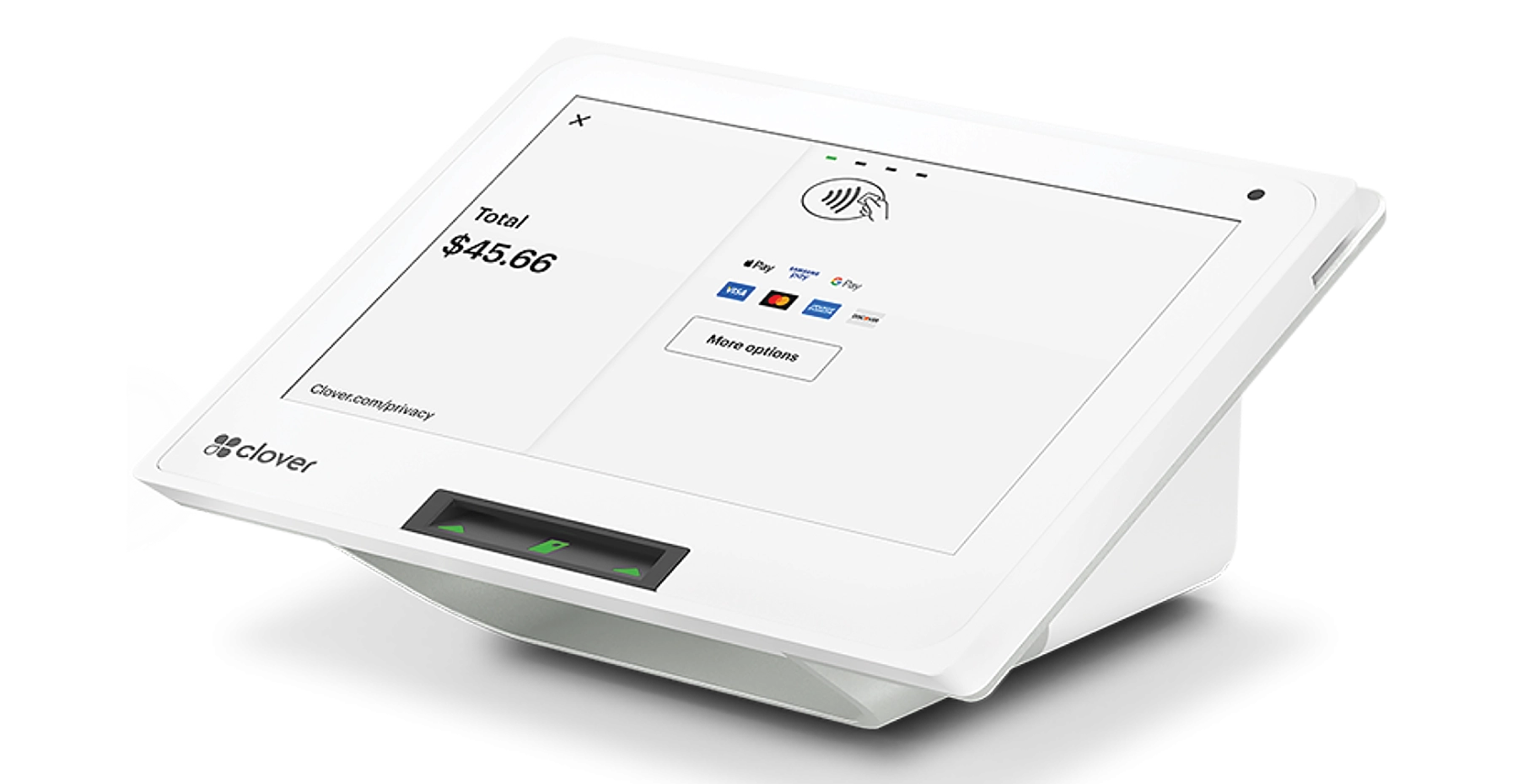
This is the gold standard for modern small businesses. With an all-in-one Clover POS system, you can use apps like Clover Rewards to automate the entire system. Customers are enrolled during checkout, their purchases are tracked in real time, and rewards are applied instantly. It’s clean, digital, and works with or without a mobile app.
Plus, you gain access to customer data: what they buy, how often, and how much they spend. This allows you to fine-tune your marketing and adjust your rewards for maximum impact. You can use the Square Dashboard to monitor and manage your loyalty promotions, helping you analyze customer responses and improve future marketing efforts. Loyalty programs can also provide valuable insights into customer buying patterns, enabling you to tailor your products and services more effectively.
Integrating with Mobile Payments (Apple Wallet, Google Pay, etc.)
In today’s fast-paced world, customers expect convenience at every turn—including how they interact with your loyalty program. Integrating your rewards program with mobile payments like Apple Wallet and Google Pay is a game-changer for both your business and your customers. It’s not just about keeping up with technology; it’s about making every visit smoother, more rewarding, and more memorable.
When you connect your loyalty program to mobile wallets, you make it effortless for loyal customers to earn points, redeem rewards, and access exclusive benefits—all from their smartphones. Imagine a coffee shop where customers earn points for every dollar spent simply by tapping their phone at checkout. With each visit, they get closer to free refills, exclusive discounts, or early access to new menu items, all tracked automatically in their Apple Wallet. No more lost punch cards or forgotten rewards—just instant gratification and a seamless customer experience.
Platforms that support mobile wallets make this integration easy for small businesses. You can even compare Square vs Clover to see which POS gives you the right mix of loyalty features, hardware, and pricing for your needs. Customers can sign up in seconds, track their progress, and redeem rewards with a tap. Plus, you get valuable insights into customer behavior, helping you run targeted promotions and keep your loyalty program members engaged.
Step 3: Run the Numbers (Seriously)
This is the part many small businesses skip—and it’s the part that can make or break your loyalty program.
You need to make sure that whatever you’re offering is:
-
Appealing enough to motivate customers
-
Affordable enough to not tank your profit margins
Start by calculating your average customer lifetime value (CLV), your gross margins, and how many transactions it takes to reach break-even on the reward. If you’re giving away a free $10 item after just two purchases totaling $30, and your margin is only 20%, you’re losing money.
Loyalty programs can directly influence customer spend by encouraging repeat purchases and higher order values. Studies show that loyalty program members can spend up to 140% more than non-members, and their average spend per transaction is often much higher. Implementing a dedicated loyalty app for your business can make it even easier to deliver personalized rewards that drive this extra spend. As a result, businesses frequently see a significant increase in revenue and customer engagement when their loyalty program is well-designed.
Also consider:
-
The cost of the reward itself
-
The percentage of customers likely to redeem
-
The added value of upsells or increased purchase frequency
To ensure effectiveness, rewards must feel valuable and relevant to your customers.
Pro tip: You don’t always have to give a discount. Exclusive access, early drops, or members-only events can carry high perceived value at little cost to you.
Step 4: Build a Program That Can Grow With You
It’s tempting to start small—and you should. But think beyond the basic “buy 10 get 1 free” model. A well-designed loyalty program for your business should focus on customer engagement, using personalized rewards and multi-channel touchpoints to boost engagement and foster deeper connections with your customers.
Here’s what separates thriving loyalty programs from forgettable ones: building brand loyalty is a key goal. Integrating your loyalty program with your brand not only strengthens brand loyalty but also encourages ongoing customer engagement and community involvement. You can also leverage scan data loyalty programs to reward specific products or categories and clear excess inventory while keeping customers coming back. Engaged loyalty program members can grow revenue by 15-25% through increased shopping frequency and higher average order values. To encourage more sign-ups and participation, keep your loyalty program rules simple—complex rules may discourage customers from joining.
Brand Integration
Your loyalty program should feel like an extension of your brand, not an afterthought. That means using consistent language, design, and tone. Give it a name. Make it sound exciting.
Example: Instead of “Our Loyalty Program,” call it “The Brew Crew” (for a coffee shop) or “Ink Rewards” (for a tattoo studio). Many successful retail loyalty programs, like adidas’ AdiClub or Amazon Prime, integrate branding and rewards to create a memorable experience that encourages repeat business.
Customer Tiers
Give loyal customers a reason to stay longer and spend more by implementing a customer rewards program with tiered levels. As customers hit certain milestones or increase their engagement or spending, they unlock escalating benefits. This encourages commitment.
Birthday/Anniversary Perks
Sending a special discount or gift around a customer’s birthday or sign-up anniversary keeps your business top of mind—and makes people feel appreciated.
Event Access or VIP Perks
Invite your top customers to product previews, after-hours sales, or exclusive Q&A sessions with the founder. You can also offer exclusive experiences as VIP perks, such as special events or behind-the-scenes access, to make them feel truly valued. They’ll feel like insiders, not just shoppers.
The bottom line: make it feel personal, not transactional.
Step 5: Mix It Up With Surprise Specials
Even with a solid loyalty program in place, don’t let it grow stale.
Occasionally run promotions such as double points days, flash sales, or triple point weeks to keep the program exciting. Product discounts can be used as part of these surprise specials to further incentivize participation. Offering exclusive benefits like early access to sales or limited product drops can encourage more loyalty program sign ups by making customers feel valued and part of an exclusive group. Promoting these loyalty program offers through email and text message marketing can effectively engage customers and encourage repeat visits.
Surprises also give you a chance to highlight slower-moving products or services while delighting your customer base. Win-win.
Step 6: Don’t Overwhelm Customers With Marketing
You’ve got their email. Maybe their phone number, too. Great. Now don’t blow it.
Too many loyalty programs sabotage themselves by bombarding customers with messages. Remember: your program should feel like a reward, not a funnel. The goal of your marketing communications is to encourage customers to engage with your loyalty program, not overwhelm them.
Send relevant updates:
-
When points are close to expiring
-
When new tiers unlock
-
When exclusive events or rewards drop
Stick to a schedule—once or twice a month max unless there’s a major sale—and make sure every message feels worth opening.
If you’re using a platform like Clover, you can even automate some of this through built-in marketing tools or apps that send alerts based on behavior (like visiting frequency or purchase size).
Step 7: Learn From What Works (and Doesn’t) for Customer Retention
Look at the loyalty programs you personally love. What makes them great? Many of the most successful loyalty programs and best loyalty programs—like Starbucks Rewards and Sephora’s Beauty Insider—set the standard for what works. These best loyalty programs excel through features such as personalization, innovative rewards, and clear value propositions that drive customer retention and engagement.
Keep a digital swipe file or notes folder of ideas you like. For example, Starbucks Rewards is a successful, points-based loyalty program that uses ‘Stars’ to incentivize frequent purchases and offers personalized perks through a streamlined digital experience. Sephora’s Beauty Insider is a tiered loyalty program that not only provides product rewards and exclusive experiences but also fosters community engagement, making it a standout in the beauty industry. Additionally, offering rewards for non-purchase activities, like reviewing a product, can foster emotional loyalty and deepen customer relationships.
If you’re already running a program, start asking questions like:
-
Are people signing up but not coming back?
-
Are rewards being redeemed?
-
Are your best customers enrolled—or skipping it?
Use that data to adjust. Try different point thresholds. Change the reward timing. Run an A/B test on two different perks and see which gets more traction.
Launching Your Loyalty Program with Clover
If you’re a small business owner looking to simplify loyalty and boost retention, consider using a POS platform like Clover. With apps like Clover Rewards, you can automate everything—tracking purchases, issuing points, redeeming rewards, and even sending out promotions. It’s also worth taking time to pick the best Clover POS plan for your business so your loyalty features, pricing, and tools align with your goals. Integrated marketing tools, such as Square Loyalty and Square Marketing, can help keep customers coming back by making it easy to reward repeat visits and encourage ongoing engagement.
Clover also makes it easy to collect customer info during checkout, giving you a built-in list for future campaigns and insights into what’s working. Cloud-based Clover systems let you access this data from anywhere, and a cloud based POS system can sync sales, loyalty, and inventory in real time. You can also incentivize app downloads as part of your loyalty program, rewarding customers for downloading your app and increasing engagement through features like social media sharing and brand advocacy.
At Velocity Merchant Services (VMS), we specialize in helping small businesses like yours set up digital solutions that drive growth without creating extra work. As a leading merchant services company, we’ll help you choose the right system, customize your loyalty program, and launch it in a way that fits your brand. Loyalty programs can also reduce customer acquisition costs, as customers who earn rewards are more likely to return, decreasing the need for extensive advertising and marketing efforts.
Final Thoughts
A loyalty program isn’t just a “nice-to-have.” When done right, it’s a strategic tool to increase revenue, strengthen customer relationships, and stand out in a crowded market. Loyalty programs can help attract potential customers and new customers by engaging them with exclusive offers and rewards. They also foster a global community of loyal customers, creating a sense of belonging that extends beyond transactions. With exclusive benefits, your customers can save more money, making your business even more appealing. Pairing your loyalty strategy with proven tactics to attract more customers to your small business can help you build a strong pipeline of new guests who can then become loyal regulars. Plus, a well-designed loyalty program should be transparent and free of hidden fees, so customers know exactly what to expect. Businesses that offer loyalty programs estimate that about half of their customers enroll, and close to 80% report positive impacts on average ticket size and repeat customers.
By offering thoughtful rewards, integrating your POS system, and keeping your program fresh and easy to use, you’re setting your business up for long-term success. Investing in hardware like the Clover Mini POS terminal can also make checkout and loyalty enrollment fast and seamless for both staff and customers. And most importantly—you’re showing your best customers that you see them, you value them, and you’re building something worth coming back for.
Ready to build a loyalty program that works as hard as you do? Contact VMS today for a free consultation and get started with a Clover-powered system that’s tailored to your business.