

If you’ve been running a brick-and-mortar business for a while, you already know this: most “loss” doesn’t look like theft. It looks like little mistakes that add up—mis-rung items, accidental discounts, missed tips, refunds done the wrong way, or deposits that don’t match what you expected.
That’s exactly why a tight daily closeout routine matters.
Not a 45-minute bookkeeping marathon. Not a “we’ll do it later” wish. Just 10 minutes, every day, done the same way, by the same rules—so your numbers stay clean and problems get caught fast (when they’re still fixable).
What a daily closeout is (in plain English)
A daily closeout is the short, consistent process you run at the end of the day to confirm:
-
what your register says you sold
-
what you actually collected (cash/card)
-
what needs to be settled/batched
-
what’s missing, off, or suspicious
-
what should be followed up tomorrow
The goal isn’t perfection. The goal is control—because control protects profit.
The daily closeout mindset that makes this work
This routine works best when you treat it like locking the doors:
-
You don’t “kind of” lock up.
-
You don’t say “we’ll lock up tomorrow.”
-
You lock up the same way, every day.
A strong daily closeout is the same thing for your money.
Your 10-Minute Daily Closeout Routine
Minute 1: Confirm the day is truly “done”
Before you pull reports or count anything:
-
Make sure the last customer is rung correctly
-
Confirm no one is still logged into the register
-
Stop “helpful” after-hours changes (like editing tickets or backdating refunds)
If your POS allows it, end the shift for each user. A daily closeout is cleaner when shifts are clean.
Minutes 2–3: Run the “big three” numbers
You need three totals every day:
-
Gross sales (what you sold)
-
Refunds/voids/discounts (what reduced sales)
-
Net sales (what should hit deposits, plus cash collected)
This is where modern POS systems earn their keep—because the reports are fast and consistent.
Tip: Save the same report view so your daily closeout doesn’t become a scavenger hunt.
Minutes 4–5: Review refunds, voids, and discounts (the “leak zone”)
If money slips away, it’s usually here.
During your daily closeout, scan:
-
refunds (especially large ones)
-
voids (especially repeated ones)
-
discounts (especially manual discounts)
You’re looking for patterns like:
-
the same employee doing most refunds
-
discounts that don’t match policy
-
voids clustered at odd times
-
refunds without a clear reason
You don’t need to interrogate anyone at closing. Just flag it and follow up calmly tomorrow.
Rule of thumb: If something feels “off,” it probably is. Your gut is a better fraud detector than you think.
Minutes 6–7: Count cash the same way every time
Cash issues don’t get better overnight. They get worse.
For your daily closeout:
-
Count cash away from customers
-
Use the same counting method (and the same person if possible)
-
Separate: bills, coins, checks (if you take them)
-
Confirm: starting bank + cash sales – paid outs = expected drawer
If you allow paid outs (petty cash), write them down every single time. Not later. Not “I’ll remember.” You won’t.
Best practice: Two people verify cash when possible. One counts, one confirms.
Minute 8: Confirm card totals and settlement/batch status
Cash is visible. Cards are sneaky because they “feel done” when the receipt prints.
Your daily closeout should confirm:
-
card totals match your POS totals
-
the batch is settled (or queued correctly, depending on your setup)
-
you don’t have declined transactions accidentally left open
-
tips are finalized (if you take tips)
This is also where you catch common issues like:
-
a tip that wasn’t adjusted
-
a transaction that got duplicated
-
a settlement that didn’t go through
If your system supports it, create a habit: check deposits the next day against what your daily closeout predicted.
Minute 9: Spot-check the top 5 items (yes, really)
This takes 60 seconds and catches a surprising amount of “silent loss.”
During daily closeout, glance at:
-
your top-selling items
-
your most refunded item
-
any “open item” or “misc” category usage
-
any price overrides
If you see “open item” too often, that’s a training or menu setup issue—not a “staff problem.”
A clean menu and clean buttons make your daily closeout easier because fewer weird things happen.
Minute 10: Write tomorrow’s follow-ups (3 bullets max)
This is the part most owners skip—and it’s why problems repeat.
At the end of the daily closeout, write 3 simple notes:
-
“Check refund from 3:12pm – no notes attached”
-
“Coach on discount policy – too many manual discounts”
-
“Fix menu button for Item X – too many open entries”
Short. Specific. Actionable.
That’s how your daily closeout becomes a profit habit instead of a paperwork habit.
The 5 biggest daily closeout killers (and what to do instead)
1) “We’re too busy”
If you’re too busy to do a 10-minute daily closeout, you’re too busy to keep leaking money.
Do it anyway. The business you’re protecting is literally the reason you’re busy.
2) Too many people closing in too many ways
If every closer does it differently, you don’t have a daily closeout—you have a daily mystery.
Fix: one checklist, one standard, one owner-approved process.
3) Letting staff “fix it later”
Later becomes never.
Fix: refunds, void notes, and tip adjustments get handled during the daily closeout window.
4) No permissions controls
If everyone can void/refund/discount freely, it’s not “trusting your team.” It’s running without guardrails.
Fix: limit permissions. Managers approve the sensitive stuff.
5) Not using POS reports to do the work
Your daily closeout should be simple because the system does the math.
If reporting is messy, it’s usually setup—not fate.
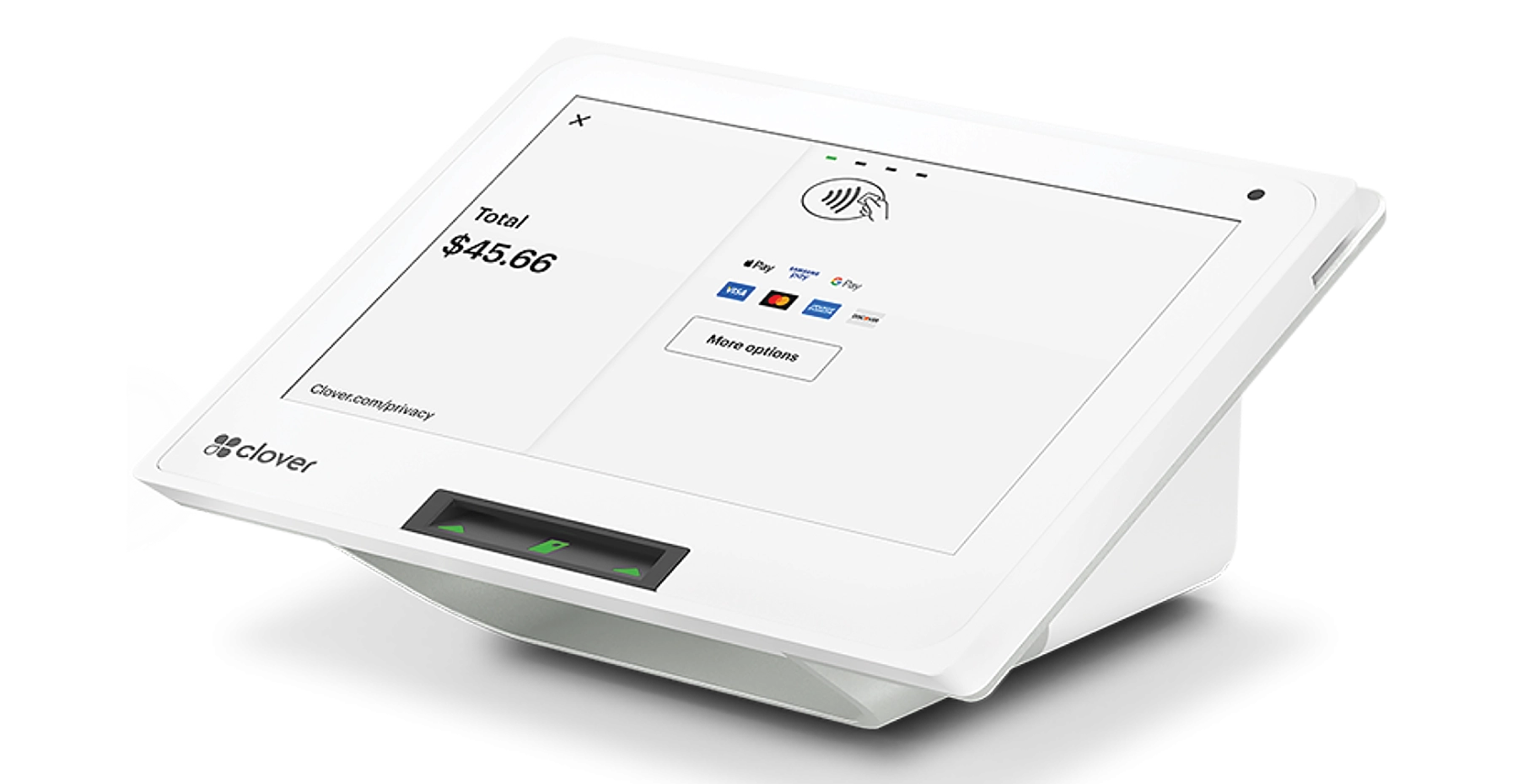
How Clover helps make daily closeout faster and cleaner
A strong POS setup can make your daily closeout feel almost automatic.
With Clover (and a properly configured setup), you can typically:
-
track sales by user/shift
-
monitor refunds/voids/discounts by employee
-
reduce “open item” usage with better buttons
-
lock down permissions (so only authorized staff can refund/discount)
-
run end-of-day reports quickly without digging
And once your daily closeout is consistent, the business gets easier to manage—because you’re not surprised by numbers later.
A simple daily closeout checklist you can print
Here’s the condensed version:
-
End shifts / confirm day is done
-
Pull sales totals (gross, refunds/voids/discounts, net)
-
Review refunds/voids/discounts for anything unusual
-
Count cash + confirm expected drawer
-
Confirm card totals + settlement/batch status
-
Spot-check top items + open items + overrides
-
Write 3 follow-ups for tomorrow
If you do this daily closeout for 30 days straight, you’ll usually notice:
-
fewer cash issues
-
fewer “mystery” refunds
-
cleaner reporting
-
faster deposits reconciliation
-
better staff habits (because the standard is clear)
Closing thought
A daily closeout isn’t about being strict. It’s about being smart.
You didn’t build a brick-and-mortar business just to lose profit to preventable mistakes. Ten minutes a day is a fair trade for cleaner numbers, fewer surprises, and a business that feels under control.