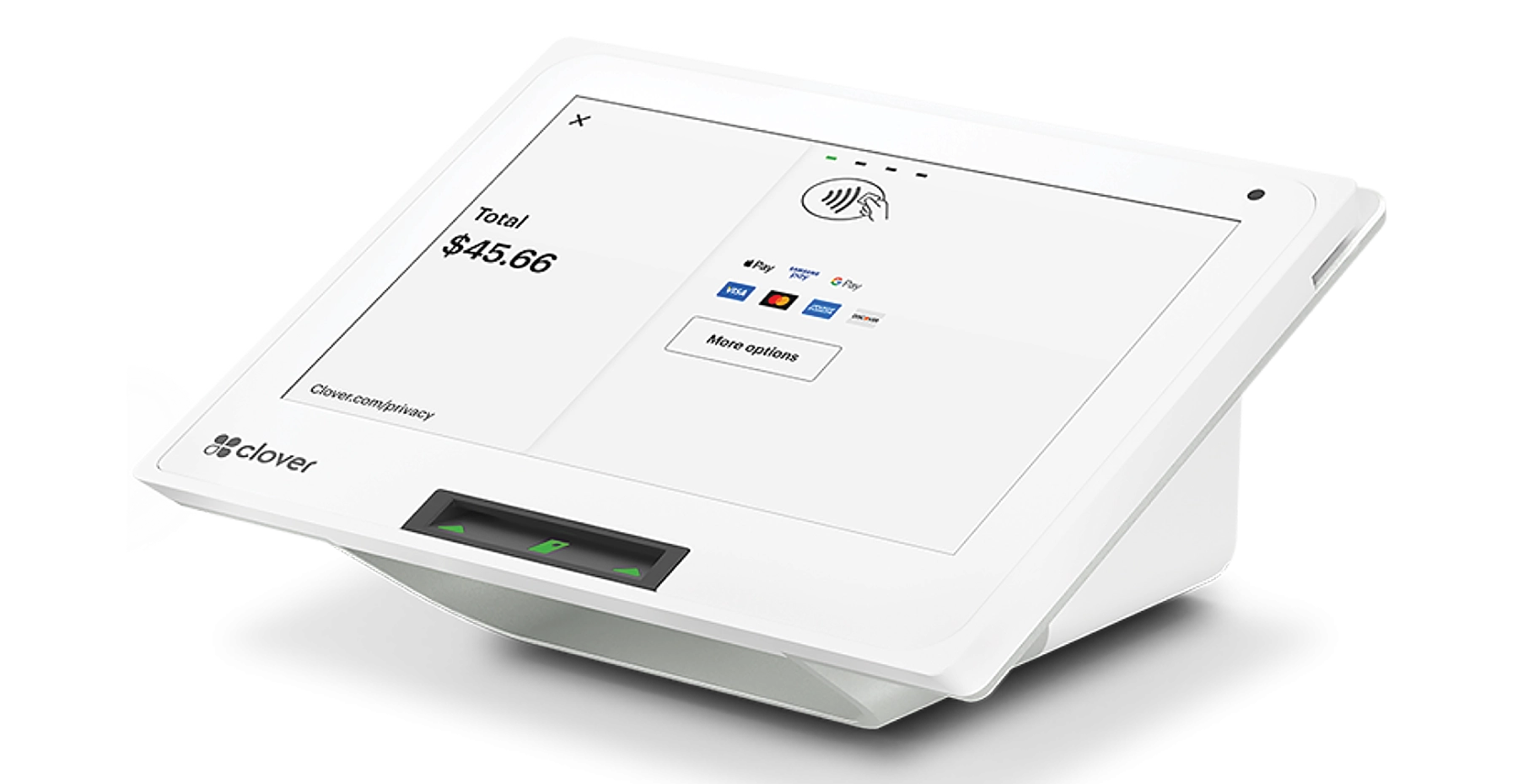


Payment processing is the backbone of every successful business, allowing merchants to accept payments from customers quickly, securely, and efficiently. At its core, a payment processor acts as the bridge between your business and your customer’s bank, ensuring funds are transferred safely and reliably. With the rapid growth of digital payments, understanding how payment processing works—and how to choose the right payment processor—has never been more important.
Not all payment processors are created equal. Some may lure you in with low advertised rates, only to surprise you later with hidden fees or poor customer support. Others might lack the robust security measures needed to protect your business from security breaches and fraud. These common pitfalls can lead to lost revenue, frustrated customers, and unnecessary headaches.
To avoid these issues, it’s crucial to research your options, understand the full fee structure, and prioritize processors that offer strong security, responsive support, and transparent pricing. By making informed decisions about payment processing, you can protect your business, keep your customers happy, and ensure every transaction is smooth from start to finish.
Learning how to effectively market and advertise your small business is one of the most powerful steps you can take to boost visibility, attract loyal customers, and drive long-term growth.
For small business owners, payment processing isn’t just about swiping a card—it’s the financial backbone of day-to-day operations. The right system can mean faster transactions, happier customers, and steady cash flow. But the wrong choices, or even simple oversights, can quietly eat away at profits, create compliance headaches, and frustrate your staff.
Unfortunately, many entrepreneurs fall into the same traps when setting up or managing their payment solutions. From hidden fees and outdated equipment to poor customer support and missed integration opportunities, these mistakes add up—and they can stall growth at a time when every dollar matters.
The good news? These pitfalls are avoidable. By learning what to watch out for, you can protect your business, strengthen your bottom line, and give your customers the seamless experience they expect.
Here’s a closer look at 10 common mistakes small business owners make with payment processing—and how to avoid them.
1. Choosing the Wrong Payment Processor
Not all payment processors are created equal, and not every credit card processor offers the same level of service or features. Some may have hidden fees, subpar customer service, or limited features. Always research options thoroughly, looking at pricing, reliability, and scalability so you can avoid unreliable credit card processors. Don’t hesitate to ask for recommendations or read reviews, and seek a provider with reliable support and modern technology.
2. Ignoring Hidden Fees
Payment processors often advertise low rates but may charge additional fees for setup, PCI compliance, or monthly minimums, and transaction fees that can quickly add up. Review contracts carefully to understand all costs. A clear understanding of pricing structures, including how tools like a cash discount program can reduce processing fees, can save your business from unpleasant surprises. Some processors use tiered pricing models, so it’s important to determine if this structure matches your business needs.
3. Failing to Offer Multiple Payment Options
Customers expect flexibility. Limiting your payment options to cash or a single card network can alienate potential buyers (for example, only accepting Visa). Consider accepting credit and debit cards, mobile payments, and online payments to ensure you cater to all preferences and support better customer retention through flexible payments.
4. Overlooking Security Measures
A breach can devastate your business’s reputation and finances. Skipping necessary security updates, using outdated equipment, or neglecting PCI compliance leaves your business vulnerable. Invest in secure hardware and stay up-to-date on compliance standards.
5. Not Training Employees Properly
Your team should know how to operate your payment systems efficiently and troubleshoot common issues. Poorly trained staff can lead to longer checkout times, frustrated customers, and lost sales opportunities.
6. Ignoring Chargebacks
Disputing chargebacks without understanding their root causes can lead to increased costs and damaged relationships with card networks. This is especially important if your business falls into a category that requires a high risk merchant account with stricter chargeback rules. Investigate chargebacks, address customer complaints proactively, and ensure your policies are transparent to reduce disputes.
7. Failing to Integrate Payment Processing with Other Systems
Modern payment systems can integrate with inventory management, accounting, and CRM tools. Failing to take advantage of this can result in inefficiencies, data silos, and missed opportunities for streamlining operations, as well as lacking payment tracking capabilities that support cash flow management and customer payment history.
8. Using Outdated Equipment
Outdated terminals can slow down transactions, causing delays for the person making a payment in-store, fail to accept modern payment methods, or even stop working entirely. Upgrade your systems regularly to ensure reliability and provide a seamless customer experience.
9. Not Monitoring Payment Processing Costs
Over time, your processor’s rates or fees may increase. Most payment processors impose standard holds of two to three days on funds and enforce PCI security standards, so it’s important to review these details regularly. If you’re not monitoring your costs, you might pay more than necessary. Periodically review your statements and consider renegotiating your contract or switching providers if costs become too high.
10. Neglecting Mobile Payments
With the rise of digital wallets like Apple Pay and Google Pay, neglecting mobile payments could mean losing tech-savvy customers. Ensure your system is equipped to handle tap-to-pay and other mobile options to stay competitive.
Want a payments partner that picks up the phone?
VMS works with independent business owners nationwide — real support, transparent pricing, and no long-term contracts.
Or call our team: 888-902-6227
Choosing a Payment Gateway
Selecting the right payment gateway is a strategic decision that can impact every aspect of your business’s payment processing. A payment gateway is the technology that securely transmits payment information from your customer to your payment processor and ultimately to your bank. It acts as the digital equivalent of a point-of-sale terminal, handling everything from credit card processing to security verification.
When choosing a payment gateway, look for one that is PCI compliant and offers robust fraud prevention tools to protect your business and your customers. Consider the types of payment options it supports—such as credit cards, ACH payments, and mobile wallets—and ensure it integrates seamlessly with your existing systems, whether you sell online, in-store, or both. Pay close attention to the fee structure, including any percentage fees or hidden costs that could eat into your profits.
A reliable payment gateway should also provide quick access to funds, detailed reporting tools, and responsive support in case issues arise. By carefully evaluating your options, you can select a payment gateway that not only keeps transactions secure but also helps you boost sales and streamline your operations.
In-Store Payment Processing
For brick-and-mortar businesses, in-store payment processing is about more than just accepting card payments—it’s about creating a seamless, secure, and efficient checkout experience. The right setup can help you process transactions quickly, reduce wait times, and offer customers their preferred payment methods, from traditional credit cards to contactless payments and mobile wallets.
Investing in modern POS terminals that support multiple payment options is essential. These systems should be PCI DSS compliant and equipped with the latest security service features to protect against fraud and malicious bots. Integration with your inventory and accounting systems can further streamline operations, giving you real-time insights into sales and stock levels.
Don’t overlook the importance of staff training and responsive support from your payment processor. Well-trained employees and reliable customer service can help resolve issues quickly, minimize downtime, and ensure every transaction is verification successful. By prioritizing secure, flexible, and efficient in-store payment processing, you can enhance customer trust and keep your business running smoothly.
Payment Gateways and Online Payments
As more customers shop online, having a robust payment gateway for your e-commerce site is critical. A payment gateway for online payments acts as the secure link between your website, your payment processor, and your customer’s bank, ensuring sensitive data is encrypted and transactions are protected from fraud.
Look for a payment gateway that supports a wide range of payment options, including credit card processing, ACH payments, and mobile wallets. Advanced fraud prevention tools and PCI compliance are non-negotiable to safeguard your business against security breaches and chargebacks. Many business owners also benefit from gateways that offer customizable checkout experiences, allowing you to tailor payment flows to your brand and customer preferences.
Additionally, choose a gateway with transparent pricing and no hidden fees, as well as robust reporting tools to help you track transactions and make data-driven decisions. With the right online payment gateway, you can provide a smooth, secure checkout process that builds customer trust and drives repeat business.
Boosting Sales with Payment Processing
Your payment processing setup can do more than just handle transactions—it can actively help you boost sales and grow your business. By offering multiple payment options, including credit cards, ACH payments, and contactless payments, you make it easier for customers to pay the way they prefer, reducing friction and increasing conversion rates. Strategic pricing tools such as a cash discount program that passes fees to card users can also protect your margins while keeping options open for price‑sensitive customers.
Modern payment processors often provide advanced reporting tools that give you quick access to sales data, helping you identify trends, optimize your fee structure, and make strategic decisions to improve cash flow. Features like recurring billing, support for high ticket items, and seamless integration with your CRM or inventory systems can further enhance your operations and customer experience.
Responsive support and robust security verification also play a key role in maintaining customer trust and minimizing lost revenue due to fraud or technical issues. By leveraging the full capabilities of your payment processing system, you can streamline operations, protect your business, and create a payment experience that keeps customers coming back—building the kind of small business success stories VMS helps create.
Conclusion
Payment processing is more than just swiping a card—it’s an integral part of the customer experience and your business’s profitability. By avoiding these common mistakes, small business owners can protect their bottom line, enhance customer satisfaction, and set their operations up for long-term success, while also safeguarding their money and improving efficiency. Remember, the biggest mistake is overlooking transparent fee structures—this can cost your business significant money over time. Need help finding the perfect payment processing solution? Velocity Merchant Services can provide you with expert advice and top-tier options tailored to your business. Contact us today!
For more insights like this, keep up with the VMS blog—where small business meets big tech without the fluff.
Have questions about payments for your business?
Fill out the form below and a VMS payment specialist will contact you shortly.