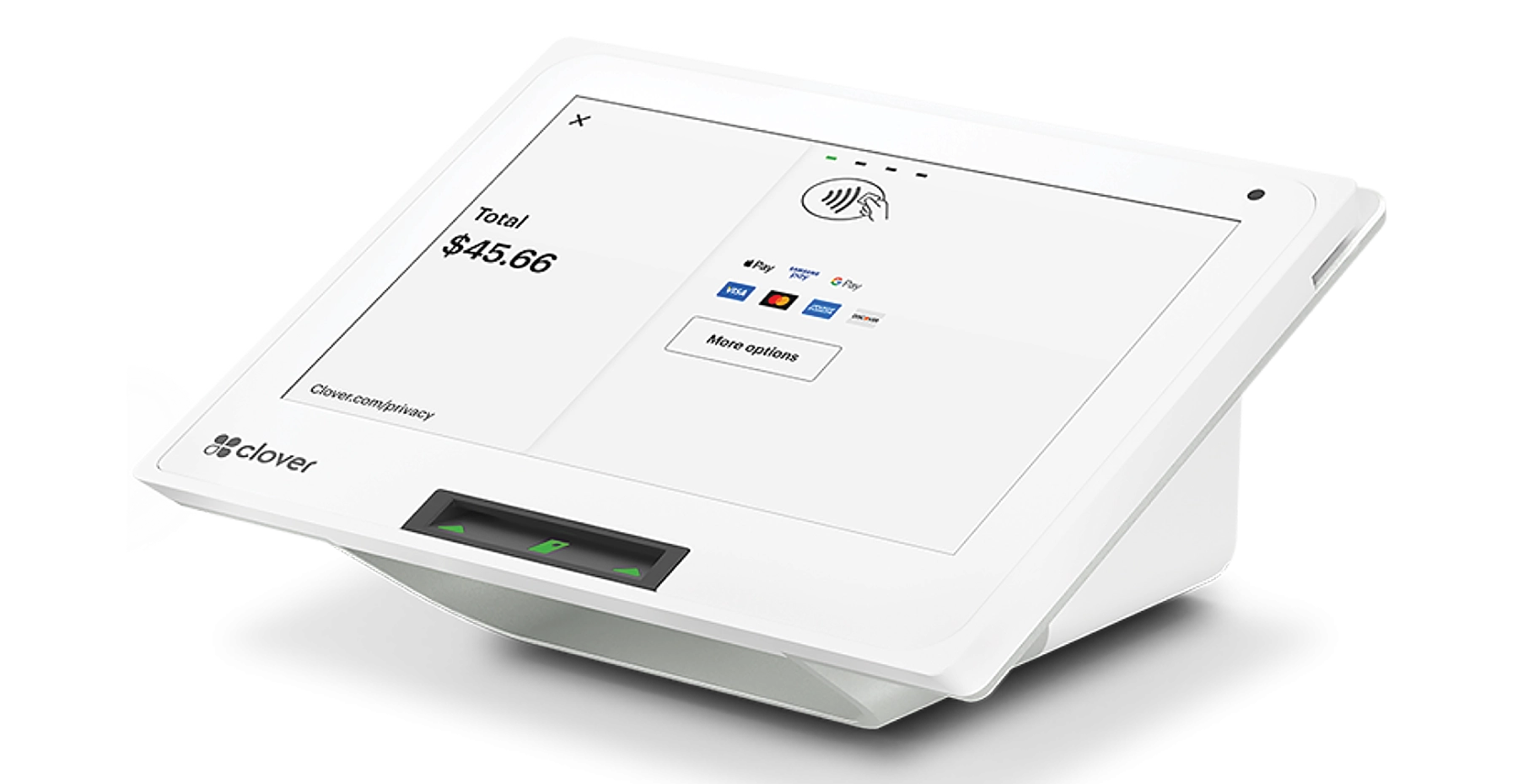


Self-service technology has transformed the way businesses and customers interact, making everyday transactions faster, easier, and more enjoyable. Self-service kiosks are at the forefront of this shift, offering customers the ability to complete purchases, access information, and manage their own transactions with minimal staff assistance. By implementing self-service kiosks, retail stores can streamline operations, reduce labor costs, and deliver a more efficient service. These interactive terminals help minimize wait times and empower customers to shop at their own pace, ultimately enhancing the overall customer experience and boosting customer satisfaction. As more businesses adopt self-service solutions, both customers and retailers benefit from the convenience and efficiency that self-service technology brings to the retail environment.
What Are the Benefits of Self-Service Payment Kiosks for Retail Stores?
Retailer businesses have multiple ways that they can accept payment, but more and more retailers are finding that self-service payment kiosks are one of the best choices. A retail kiosk is an interactive terminal with a hardware component, typically a touchscreen device fixed to a wall, countertop, or floor stand, that allows customers to complete transactions independently. For retailers and customers alike, payment kiosks offer advantages over other processing methods.
Self-service kiosks improve order accuracy and reduce order errors by enabling customers to input their own information and selections directly, resulting in fewer order errors and more accurate transactions. Visual menus on these kiosks help customers make purchases more easily and accurately, while also supporting upselling strategies. Additionally, self-service kiosks can be tailored to display personalized recommendations based on customer preferences and purchase patterns. By automating routine tasks, kiosks allow staff to focus on higher-value activities, increasing operational efficiency and enhancing the overall customer experience.
Process More Customers During Peak Times
self-service payment kiosks allow retail businesses to process more customers during their busiest hours. These kiosks improve queue management and provide faster service during peak hours by reducing congestion at service counters and streamlining customer flow. Self-service kiosks allow multiple customers to place orders simultaneously, which means less waiting in line and more time customers spend enjoying their purchases.
Kiosks can be added if there aren’t currently enough cash registers, and adding kiosks doesn’t require remodeling like adding another register might. A payment kiosk can be placed wherever there’s a few free square feet of floor space.
For some businesses, being able to process more customers during peak times has a direct correlation to sales. Coffee shops and bakeries, for example, will have many customers forgo their morning treat if the line looks too long. Customers need a quick coffee or baked good, and don’t have time to wait.
Decrease Per-Transaction Processing Time
These kiosks also speed up how fast each individual transaction takes. By reducing wait times and processing transactions more quickly, self-service kiosks enhance efficiency and improve operations, allowing businesses to serve more customers in less time. Having kiosks readily available inherently encourages customers to use plastic and other contactless point-of-sale payment methods, which are among the fastest ways to pay. There’s no need to count change. (Of course, a cash register can still be used for the few customers who want to pay with bills.)
Self-service kiosks also contribute to cost savings by reducing staffing requirements and labor costs, and they can save significant counter space by being fixed on walls, counters, or floor stands compared to traditional registers.
In a recent survey, 29% of customers reported that they preferred contactless payments. Contactless payments were defined as mobile wallets, QR code payments, and self-pay kiosks.
Capitalize on Impulse Buys
Because kiosks can be placed anywhere within a store, they can help capitalize on impulse buys. When customers have to walk to a cash register, every step they take between grabbing a product and paying is a moment when they might second-guess the impulse.
Self-service kiosks often include upselling features that suggest additional items or bundled products during the ordering process, leading to increased sales. When combined with strategic merchandising to increase retail sales, personalized recommendations can also be displayed to customers based on their preferences or purchase history, further boosting impulse purchases and increasing average transaction values.
Placing kiosks immediately next to high-impulse products can greatly decrease the number of stems — or time — that customers have to change their minds. This can be especially effective for physically large stores, where customers must walk a fair distance before paying.
Partly because of impulse buys, kiosks can boost per-transaction value by up to 30% in some situations.
Improve Customer Satisfaction
When customers have convenient ways to pay, they’re happier about the shopping experience. Self ordering kiosks allow customers to make purchases independently, providing a more private and satisfying experience by letting them browse and order without staff interaction, and they can be a key part of broader customer retention and payment experience strategies. Even what would otherwise be minor inconveniences can have an oversized impact, as customers are done shopping and sometimes fatigued by the time they check out. They want an easy way to pay for the products being purchased, and self-service kiosks offer one of the most convenient ways by streamlining the payment process and reducing wait times.
Self-service kiosks can also free up staff to focus on more meaningful human interaction with customers who need assistance, enhancing the overall service experience. Additionally, interactive features like product catalogs and multimedia displays on kiosks can enhance customer engagement and satisfaction.
Even when kiosks merely make checkout lines seem quicker, customers still find the kiosks beneficial. According to one survey, 69% of customers said long checkout lines were the bane of their shopping experience. Watching digital content (usually on kiosks) made waiting in line more bearable.
Lower Staffing Needs
Because self-service kiosks take care of processing payment, retailers don’t have to schedule as many employees. A single kiosk can at least handle the same number of transactions that an employee running a cash register would (and the kiosk can likely do more). When combined with a well-designed cash discount program to reduce processing fees, stores thus don’t need as many employees running registers while also lowering overall transaction costs.
In addition to lowering staffing needs, self-service kiosks deliver significant labor savings by automating routine tasks such as transactions and order placement. This allows businesses to reduce labor costs and redeploy staff to areas where they create maximum impact, leading to overall cost savings.
Reducing the number of employees needed at checkout counters has obvious labor cost benefits. The wages saved alone often outpace the cost of installing and maintaining a payment kiosk.
In the current economic environment, reducing the number of employees needed has a major added benefit. As many retailers are struggling to find enough workers for their available positions, kiosks can remove at least a few of the positions that have to be filled.
Data-Driven Insights from Self-Service Kiosks
Self-service kiosks offer retailers a powerful tool for gathering and analyzing valuable insights into customer behavior and preferences. By tracking customer interactions at the kiosk, businesses can identify purchasing patterns, popular products, and peak shopping times, especially when kiosks are integrated with robust payment processing solutions for small businesses. This data allows retailers to make informed decisions about inventory management, marketing strategies, and staffing, all of which contribute to improved operational efficiency and customer satisfaction. Additionally, self-service kiosks can help businesses spot emerging trends and adapt quickly to changing customer needs. By leveraging the data that kiosks offer, retailers can continuously refine their service, personalize the shopping experience, and ultimately improve customer satisfaction.
Types of Self-Service Kiosks in Retail
Retailers have access to a wide range of self-service kiosks, each designed to address specific business needs and enhance the customer experience. Retail kiosks are commonly used for self checkout, order placement, and product lookup, allowing customers to complete transactions quickly and independently, especially when powered by an all-in-one wireless point-of-sale system like SHOOSH. Healthcare kiosks, on the other hand, streamline patient check in, appointment scheduling, and billing inquiries, improving efficiency in medical settings, much like cashless ATM and point-of-banking solutions streamline payments in other specialized industries. Other popular options include ticketing kiosks for event or transportation ticket purchases, information kiosks for wayfinding in complex spaces, and service kiosks for customer support or loyalty program enrollment. By selecting the right type of self-service kiosk for their unique requirements, businesses can reduce wait times, improve customer satisfaction, and boost operational efficiency.
Implementation and Setup Considerations
Implementing self-service kiosks in a retail store involves careful planning to ensure a smooth rollout and maximum benefit. Businesses must evaluate hardware and software options, ensure reliable network connectivity, and design user-friendly interfaces that cater to their customer base. It’s also important to consider the initial investment, ongoing maintenance, and how kiosks will impact staffing needs and customer behavior. A successful implementation starts with thorough research and consultation with self-service technology experts, including understanding the truth about “free” POS system offers, followed by a detailed plan tailored to the store’s specific goals. By addressing these considerations, retailers can minimize potential challenges and fully realize the benefits of self-service kiosks.
Future of Self-Service Technology in Retail
The future of self-service technology in retail is bright, with rapid advancements in artificial intelligence, machine learning, and IoT set to further enhance the capabilities of self-service kiosks. As customers become more comfortable with digital kiosks and expect seamless, personalized experiences, retailers will need to integrate self-service kiosks with mobile apps, loyalty programs, and other digital channels. This integration will enable businesses to deliver tailored recommendations, streamline operations, and improve customer satisfaction. By staying ahead of technological trends and embracing innovative self-service solutions, retailers can drive revenue growth, foster repeat business, and maintain a competitive edge in an ever-evolving market, especially when partnering with a leading merchant services provider that supports modern payment technologies and offers transparent merchant services FAQs for small businesses.
Still running an outdated register?
VMS sets up a modern Clover POS matched to how your business actually runs — installed, configured, and supported by a team that answers the phone.
Or call our team: 888-902-6227
Get Payment Kiosks for Your Store
If your store is still relying on cash registers, contact us at Velocity Merchant Services to learn more about state-of-the-art payment kiosks. We have helped many retail businesses find custom payment kiosk solutions that benefit their business, and we have the expertise necessary to help you too. Get a free custom quote here.
What Self-Service Kiosks Cost and How Long They Take to Pay Back
The case for kiosks is usually made emotionally, in terms of modernity and customer expectations. The case that actually survives a conversation with your accountant is arithmetic, and it is worth doing before you buy.
Costs fall into four buckets: the hardware itself, the software licence per kiosk, payment processing on kiosk transactions, and installation including mounting, power, and network drops. Installation is the line most often forgotten and the one most likely to surprise you, particularly in an older building where running a network cable to the middle of the floor is a real job.
Against that, three returns are measurable if you commit to measuring them:
- Labor reallocation. Note the word: reallocation, not elimination. Most retailers who succeed with kiosks move staff from the register to the floor rather than cutting headcount, and the return shows up as attachment rate and fewer abandoned baskets rather than as payroll savings.
- Average ticket lift. A kiosk offers every upsell every time without embarrassment or fatigue, which is why prompted add-ons perform consistently better at a screen than at a counter.
- Throughput at peak. The value is concentrated in your busiest ninety minutes. If your queue never exceeds two people, kiosks will not pay for themselves on speed alone.
The honest test: measure your current transactions per hour during your peak window and your average ticket, for two weeks, before installation. Without a baseline you will never know whether the kiosks worked, and vendors are happy to fill that vacuum with their own numbers.
Accessibility Requirements You Cannot Skip
A self-service kiosk is a point of sale, and a point of sale that some customers physically cannot use is both a service failure and a legal exposure. This is the part of a kiosk project most commonly discovered late.
Design considerations that matter in practice:
- Reach and height. Controls and the card reader must be usable from a seated position, which constrains both the mounting height and the clear floor space in front of the unit.
- Screen legibility. Adequate contrast and text size, and avoiding colour as the only way information is conveyed.
- Non-visual operation. Audio output with a headphone jack and tactile controls, so a customer with low vision can complete a transaction independently.
- A staffed alternative, always. A kiosk-only checkout with no human option excludes people, and it also strands anyone whose transaction hits an edge case.
Ask vendors directly for their accessibility documentation rather than a verbal assurance, and confirm your placement preserves the required clear approach path. Retrofitting a floor layout after installation costs far more than planning it once.
Where Kiosks Fail, and How to Avoid It
Nobody is watching the floor
The most common failure is treating a kiosk as unattended. Customers get stuck, produce items that need a manual override, or simply need reassurance. One staff member visibly available near the kiosks is the difference between adoption and abandonment, and it is still fewer people than staffing the same number of registers.
Age-restricted and regulated items
Alcohol, tobacco, and lottery all require an intervention at the kiosk. Decide in advance how that approval flows to a staff member and how fast it happens, because a thirty-second wait for an override at every transaction destroys the throughput case entirely.
Shrink
Self-checkout does raise loss risk, and pretending otherwise leads to a nasty year-end surprise. Weight verification, camera coverage, and periodic receipt checks all help. So does the simple presence of an attendant, which is the cheapest deterrent available.
The kiosk and the counter disagree
If your kiosks run separate software from your main POS, you will eventually have two inventory counts, two price lists, and two reports. Insist on one system with one item file. See our POS device lineup for systems that handle both.
Self-Service Kiosk Questions We Get Most Often
How many kiosks do I need?
Start with the smallest number that covers your peak queue, typically two, and add only after you have measured utilisation. Over-buying up front is the most expensive mistake in this category, because idle kiosks still cost software licences and floor space.
Will older customers use them?
Adoption tracks interface quality and staff presence far more than age. A clear screen and a visible attendant produce broad adoption; a confusing flow produces a queue at the one remaining register regardless of demographics.
What happens if the kiosk goes offline?
Transactions should queue locally and sync when the connection returns, the same as any modern terminal. Confirm this behaviour with the vendor and test it before launch rather than during your first outage.
Can I accept EBT at a kiosk?
This depends on your equipment and configuration and is not universally supported. If SNAP is a meaningful share of your volume, resolve it before purchase rather than after. Our guide on accepting EBT covers the requirements.
Have questions about POS systems?
Fill out the form below and a VMS payment specialist will contact you shortly.