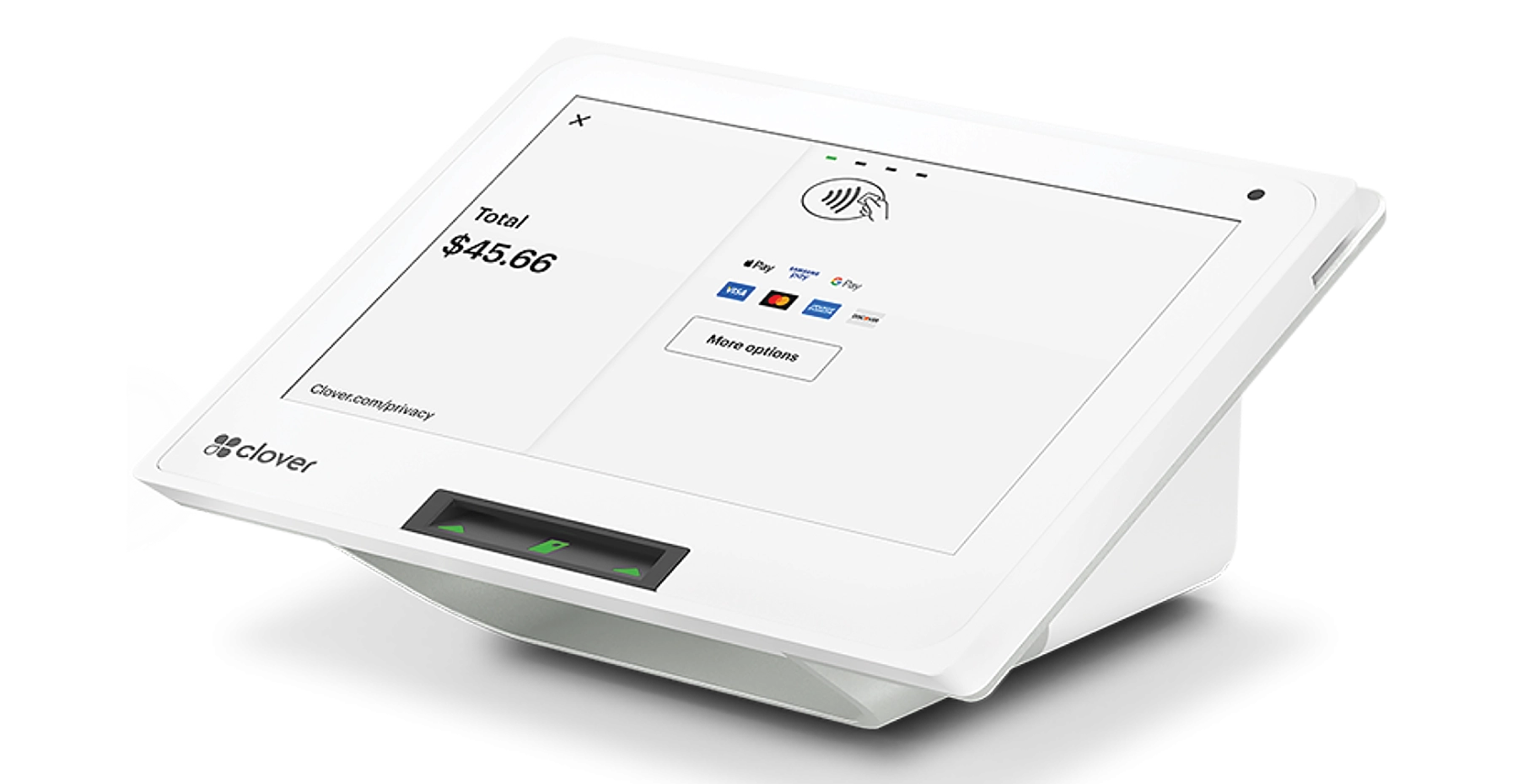


Most people are surprised to learn that nearly two-thirds of shoppers admit to impulsively purchasing something makes them feel happier, and just as you look closely at shopper behavior, you should scrutinize offers like “free” POS systems and their hidden costs. It is also quite intriguing to learn nearly 60% of shoppers insist they saved money as a result of such impulse shopping.
To increase the sales of a retail store, it’s important to consider how store layout and an engaging environment can influence customer behavior. Creating a comfortable and inviting space with thoughtful design elements—such as music, lighting, decor, and scent—not only encourages customers to linger but also encourages impulse purchases, which can significantly improve sales.
For retailers, the challenge lies in encouraging customers to make impulse purchases. Optimizing store layout and creating an engaging environment can improve sales by encouraging customers to stay longer and make more purchases. A well-designed store layout can influence customer behavior and encourage impulse purchases. There are plenty of ways to subtly steer shoppers toward impulse purchases. Let’s explore them.
Creating an Authentic Brand Story
In today’s competitive retail landscape, creating an authentic brand story is a powerful way to increase retail sales and build lasting relationships with your customers. An authentic brand story goes beyond just selling products—it communicates the unique values, mission, and history of your retail business, helping you connect with your target audience on a deeper level. When potential customers feel a genuine connection to your retail store, they’re more likely to trust your brand, become loyal shoppers, and share their positive experiences with others.
Business owners can showcase their brand story through multiple channels, including engaging social media posts, compelling website content, and in-store displays that highlight what makes their retail business unique. For example, sharing your commitment to sustainability, involvement in the local community, or dedication to personalized customer service can make your store more relatable and memorable. By weaving your authentic brand story into every customer touchpoint, you not only differentiate your retail store from competitors but also encourage repeat business and word-of-mouth referrals. Ultimately, a strong brand story helps your retail business stand out and creates a meaningful connection with your target audience, driving more sales and long-term loyalty.
Product Placement is Essential to Impulse Purchases
Think back to the last time you were in a retail or other brick-and-mortar store. You likely wandered around, checking out the selection and possibly made one or several last-minute purchases. Chances are, product placement played an important role in your impulse purchase. Product placement is the strategic presentation of products. The shop’s layout and visual merchandising also play a crucial role in encouraging impulse purchases by creating an appealing and organized environment that draws customers in.
For example, vertically placing products encourages impulse buying, especially if the most coveted products are positioned squarely in front of shoppers. Position additional items along the display and shoppers will look them over, making it more likely to purchase. Block placement in which similar products are grouped with one another, also encourages impulse buying. The logic is that it plants a mental seed that provokes an impulse purchase of other products in the vicinity. Understanding customer movement within the store is essential to optimize layout and product placement, as tracking how shoppers navigate the space can reveal the most effective areas for displays.
Gathering practical feedback from customers on the store layout and product displays can help retailers create a more inviting shopping environment. Optimizing in-store layout and visual merchandising not only enhances the overall shopping experience but also attracts customers and encourages purchases.
Position Items near the Checkout Counter
Most customers are inclined to consider adding more items to their shopping cart at the point prior to checkout. Checkout lines provide an invaluable opportunity to showcase items you desperately want to sell or those with high profit margins. Strategically place such products near checkout lines and shoppers will be inclined to toss them into their carts/baskets as they wait for the line ahead to clear, and consider adding self-service kiosks at checkout to further speed up transactions and capture more impulse buys. Additionally, placing high-margin, seasonal, or popular products at eye level or near the entrance can grab customer attention. Strategic product placement at the checkout counter is an important part of the sales process and can influence customer behavior, encouraging impulse purchases and increasing overall sales. The “why” of such consumer psychology rests in the fact that those positioned in the area dubbed the “point of sale” space are in a buying mood.
Pair your strategically placed kiosks with lightning-fast and 100% accurate contactless payment processing systems and the buyer’s journey from the moment he or she walks into the store until the moment of exit will prove satisfying. Fast digital payment processing also encourages customers to return for additional patronage highlighted by even more impulse buys, a principle that also applies to mobile vendors using payment processing solutions for food trucks. Retailers can utilize mobile POS systems like Clover Flex to speed up the buying process, enable transactions anywhere in the store, and improve customer satisfaction. Creating a welcoming environment at the checkout area encourages customers to engage with staff and enhances their shopping experience.
Upselling and Employee Training
Train your sales associates to suggest products the store needs to eliminate or those with high margins, and customers will be inclined to consider an impulse purchase. Sales associates play a crucial role in upselling and cross-selling to increase sales. Upselling shows a shopper a better product, while cross-selling shows a shopper a companion product that makes the original product choice more complete. Upselling and cross-selling techniques should be part of every sales associate’s repertoire to increase a customer’s average order value. The best retail sales professionals are expert up-sellers, meaning they use words in a persuasive and artful manner to convince customers to buy products that complement those already in the customer’s cart or basket.
Well-trained staff can increase sales performance by up to 30%. Investing in comprehensive staff training equips employees with the knowledge needed to provide personalized customer service. Sales associates trained to understand customer needs can confidently recommend products that meet those needs, especially when supported by efficient dual-screen POS systems like Clover Duo that streamline the checkout experience. Effective sales training should include upselling and cross-selling techniques to maximize average order value and overall sales.
Invest the time necessary to train your sales associates on the subtleties of your product inventory and they’ll be that much more successful up-sellers, ultimately encouraging impulse purchases.
The Strategic use of Kiosks
If your retail store does not yet have at least one kiosk, now is the time to add one, since well-designed store kiosks can maximize the shopping experience for both you and your customers. The most successful brick-and-mortar stores feature multiple kiosks, each of which is strategically positioned throughout the sales floor. Place your kiosks in high-traffic parts of the store including aisle ends for prominent display. Incorporating visual merchandising techniques, such as attractive product displays and well-organized spaces, can make kiosks and product displays more appealing to customers. Load up your kiosks with items you desperately want to sell and you’ll offload your excess inventory. Feature items that are especially coveted or those with strong visual appeal on your kiosks. These items increase the amount of time customers spend in the store while simultaneously reinforcing legitimacy.
To further boost sales, use attention-grabbing promotions like limited-time discounts or flash sales on kiosk items, and utilize digital signage to make these promotions more engaging than static signs. Kiosks featuring particularly intriguing or popular products are even more likely to hike impulse purchases, especially when positioned toward the front of the store where customers are highly engaged with the shopping experience and most inclined to consider adding an item to their handbasket or shopping cart. Strategically placing high-margin items near the entrance or checkout counter can also increase impulse purchases. Alternatively, it is also logical to add items with considerable universal appeal to kiosks. The inherent visual uniqueness of the kiosk grabs the attention of shoppers. It is the universal appeal of the items on the kiosk that inspire impulse purchases across a wide demographic swath.
Draw Attention to Your Kiosks
The eyes naturally gravitate to kiosks simply because they stand out from the rest of the store. However, a plain-looking kiosk that is white or beige in hue, featuring visually bland products without colorful signage won’t make an impact. Improve the aesthetics of your kiosks with signs, colorful hues and visually-striking products to capture shoppers’ attention all the more. Add colors such as yellow and red that please the eyes to encourage even more impulse buying.
Additionally, create an engaging environment by incorporating a signature scent, as well as appropriate lighting and decor. These sensory elements not only enhance the shopping experience but also help build brand recognition and subconscious connections with customers. Remember, the physical environment can act as a “silent salesperson” that boosts sales by up to 30%.
If you’d like to learn more about getting more impulse buys in your small business, go to www.getvms.com
Digital Marketing Strategies
Leveraging digital marketing strategies is essential for any retail business looking to increase retail sales and reach more customers, both online and in store, and pairing those efforts with the best POS system for retail stores ensures your operations can support that growth. By embracing digital marketing, retailers can boost their brand visibility, attract new customers, and drive more foot traffic to their physical locations. Start by building a strong presence on social media platforms, where you can share engaging content, promote new arrivals, and interact directly with your audience. Email marketing is another effective tool—offering exclusive discounts or early access to sales can reward loyal customers and entice online shoppers to visit your store.
Optimizing your website for search engines (SEO) ensures your retail store appears in search results when potential customers are looking for products you offer. Use customer data and sales trends to personalize your marketing messages, tailoring promotions and recommendations to match customer preferences and purchasing behavior. This not only enhances the customer experience but also increases the likelihood of more sales. By integrating digital marketing into your retail sales strategy, you can boost sales, increase brand awareness, and stay ahead of the competition in today’s fast-paced retail environment, especially if you rely on flexible POS systems for pop-up shops to extend your brand into temporary retail events.
Need a POS built for your type of business?
VMS configures your system around how your industry actually operates — menus, inventory, appointments, whatever you run on.
Or call our team: 888-902-6227
Measuring Success
To truly increase retail sales and ensure your strategies are working, it’s essential to measure your success regularly. Tracking key metrics such as sales trends, customer feedback, and sales data gives you valuable insight into what’s driving results and where there’s room for improvement. For example, analyzing which products are top sellers, which promotions generate the most foot traffic, and which customer segments are most engaged can help you refine your retail sales strategy for even better results.
Collecting and acting on customer feedback allows you to enhance the customer experience and boost customer satisfaction, leading to more repeat business and higher average order value. Monitoring website analytics and in-store sales data helps you identify opportunities to upsell, cross-sell, and tailor your offerings to meet customer demand. By continuously evaluating your performance and making data-driven decisions, your retail store can adapt quickly, increase retail sales, and achieve sustainable growth in a competitive market, especially when you proactively address issues like slow or outdated POS systems.
Have questions about a POS for your business?
Fill out the form below and a VMS payment specialist will contact you shortly.