

by Grace Barone
Let’s be real—every customer has options. If they’re choosing to come back to your business, it’s because they trust you, love your product, or (if we’re being honest) they’re getting something they can’t get anywhere else. That’s where a loyalty program comes in. It’s more than a “thank you”; it’s a way to turn occasional shoppers into raving fans, all while growing your bottom line.
A well-crafted loyalty program does more than hand out freebies. It gathers valuable data, encourages repeat visits, and boosts your brand visibility in a crowded market. In this blog, we’ll break down not only how to create a loyalty program for your small business, but also how to make sure it doesn’t flop.

Why Loyalty Programs Matter
Before we dive into the how-to, let’s talk about why a loyalty program is worth your time.
Loyalty programs aren’t just a perk—they’re a proven growth tool. Studies show that returning customers spend 67% more than new ones and are 5x more likely to make another purchase. Better yet, it costs far less to retain a customer than to acquire a new one. In other words, if you’re not rewarding your customers for coming back, you’re leaving money—and loyalty—on the table.
Step 1: Decide on the Right Rewards System
First things first: what’s the actual incentive?
Think about what your customers would want to earn—not just what’s easiest for you to offer. A good rewards system strikes a balance between motivation and sustainability.
Here are a few options to consider:
Points-Based Systems
This is the classic: earn points for every dollar spent, and redeem those points for a reward. It’s familiar, scalable, and works across industries—from coffee shops to clothing boutiques.
Example: 1 point per $1 spent. 100 points = $10 off.
Visit-Based Systems
Perfect for service businesses like salons, barbershops, or car washes. You reward repeat visits instead of purchase amounts.
Example: Get a free service after 10 visits.
Tiered Loyalty Programs
These systems reward customers based on their long-term commitment or spending levels. It’s a great way to encourage bigger purchases or more frequent shopping.
Example: Bronze, Silver, and Gold tiers with increasing perks.
Membership/VIP Programs
Customers pay a flat fee to access exclusive perks. This model works well if you offer premium services or high-ticket products.
Example: $99/year gets you 10% off every purchase, early access to products, and birthday gifts.
The key is aligning your rewards with your customer behavior. Ask yourself: what kind of customer am I trying to keep—and how often do they shop with me?
Step 2: Choose the Right Delivery System
Once you’ve settled on how customers will earn rewards, you need a system to track and deliver them.
Old-School: Punch Cards
These are cheap and easy but come with obvious drawbacks. They’re easy to lose, fake, or forget. You also can’t collect customer data.
Email-Based Programs
You can create email-based accounts where customers track their rewards through newsletters or account portals. It’s more secure and allows for direct marketing, but you’ll need a CRM or email tool to manage it well.
POS-Integrated Apps (Recommended)
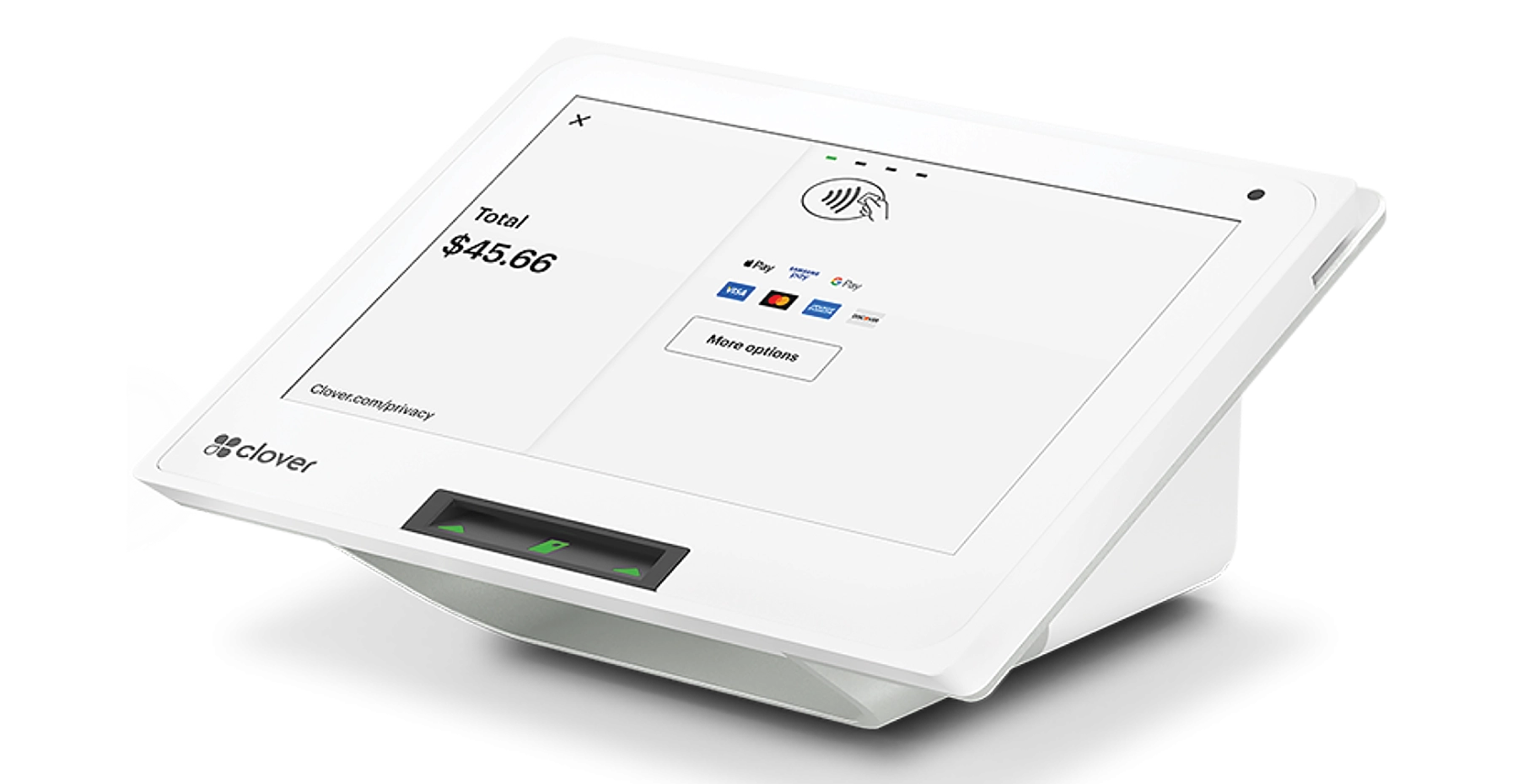
This is the gold standard for modern small businesses. With platforms like Clover, you can use apps like Clover Rewards to automate the entire system. Customers are enrolled during checkout, their purchases are tracked in real time, and rewards are applied instantly. It’s clean, digital, and works with or without a mobile app.
Plus, you gain access to customer data: what they buy, how often, and how much they spend. This allows you to fine-tune your marketing and adjust your rewards for maximum impact.
Step 3: Run the Numbers (Seriously)
This is the part many small businesses skip—and it’s the part that can make or break your loyalty program.
You need to make sure that whatever you’re offering is:
-
Appealing enough to motivate customers
-
Affordable enough to not tank your profit margins
Start by calculating your average customer lifetime value (CLV), your gross margins, and how many transactions it takes to reach break-even on the reward. If you’re giving away a free $10 item after just two purchases totaling $30, and your margin is only 20%, you’re losing money.
Also consider:
-
The cost of the reward itself
-
The percentage of customers likely to redeem
-
The added value of upsells or increased purchase frequency
Pro tip: You don’t always have to give a discount. Exclusive access, early drops, or members-only events can carry high perceived value at little cost to you.
Step 4: Build a Program That Can Grow With You
It’s tempting to start small—and you should. But think beyond the basic “buy 10 get 1 free” model.
Here’s what separates thriving loyalty programs from forgettable ones:
Brand Integration
Your loyalty program should feel like an extension of your brand, not an afterthought. That means using consistent language, design, and tone. Give it a name. Make it sound exciting.
Example: Instead of “Our Loyalty Program,” call it “The Brew Crew” (for a coffee shop) or “Ink Rewards” (for a tattoo studio).
Customer Tiers
Give loyal customers a reason to stay longer and spend more. As they hit certain milestones, they unlock new benefits. This encourages commitment.
Birthday/Anniversary Perks
Sending a special discount or gift around a customer’s birthday or sign-up anniversary keeps your business top of mind—and makes people feel appreciated.
Event Access or VIP Perks
Invite your top customers to product previews, after-hours sales, or exclusive Q&A sessions with the founder. They’ll feel like insiders, not just shoppers.
The bottom line: make it feel personal, not transactional.
Step 5: Mix It Up With Surprise Specials
Even with a solid loyalty program in place, don’t let it grow stale.
Occasionally offer unexpected rewards to your most loyal customers. Flash discounts, “double points days,” or a free item with their usual purchase can add excitement and spontaneity. The goal is to keep people engaged and coming back even when they’ve already earned their regular perks.
Surprises also give you a chance to highlight slower-moving products or services while delighting your customer base. Win-win.
Step 6: Don’t Overwhelm Customers With Marketing
You’ve got their email. Maybe their phone number, too. Great. Now don’t blow it.
Too many loyalty programs sabotage themselves by bombarding customers with messages. Remember: your program should feel like a reward, not a funnel.
Send relevant updates:
-
When points are close to expiring
-
When new tiers unlock
-
When exclusive events or rewards drop
Stick to a schedule—once or twice a month max unless there’s a major sale—and make sure every message feels worth opening.
If you’re using a platform like Clover, you can even automate some of this through built-in marketing tools or apps that send alerts based on behavior (like visiting frequency or purchase size).
Step 7: Learn From What Works (and Doesn’t)
Look at the loyalty programs you personally love. What makes them great?
Keep a digital swipe file or notes folder of ideas you like. Whether it’s Starbucks’ points gamification or your local pizza shop’s punch card simplicity, there’s value in reverse-engineering success.
If you’re already running a program, start asking questions like:
-
Are people signing up but not coming back?
-
Are rewards being redeemed?
-
Are your best customers enrolled—or skipping it?
Use that data to adjust. Try different point thresholds. Change the reward timing. Run an A/B test on two different perks and see which gets more traction.
Launching Your Loyalty Program with Clover
If you’re a small business owner looking to simplify loyalty and boost retention, consider using a POS platform like Clover. With apps like Clover Rewards, you can automate everything—tracking purchases, issuing points, redeeming rewards, and even sending out promotions.
Clover also makes it easy to collect customer info during checkout, giving you a built-in list for future campaigns and insights into what’s working.
At Velocity Merchant Services (VMS), we specialize in helping small businesses like yours set up digital solutions that drive growth without creating extra work. We’ll help you choose the right system, customize your loyalty program, and launch it in a way that fits your brand.
Final Thoughts
A loyalty program isn’t just a “nice-to-have.” When done right, it’s a strategic tool to increase revenue, strengthen customer relationships, and stand out in a crowded market.
By offering thoughtful rewards, integrating your POS system, and keeping your program fresh and easy to use, you’re setting your business up for long-term success. And most importantly—you’re showing your best customers that you see them, you value them, and you’re building something worth coming back for.
Ready to build a loyalty program that works as hard as you do? Contact VMS today for a free consultation and get started with a Clover-powered system that’s tailored to your business.