

As credit card processing costs continue to rise, more business owners are exploring alternative pricing strategies to protect margins. Two terms come up repeatedly in these conversations: dual pricing and surcharging. They are often confused, sometimes misrepresented, and frequently explained incorrectly.
This article clarifies the real difference between dual pricing vs surcharging, explains how each model works, outlines compliance considerations, and helps business owners determine which approach aligns best with their operations and customer base.
If you want a straightforward explanation without marketing spin, this guide is designed for you.
(For background on payment processing fundamentals, see
➡️ https://www.getvms.com/credit-card-processing/)
Why Dual Pricing vs Surcharging Matters
Both dual pricing and surcharging are designed to address the same problem:
how to offset credit card processing costs.
However, they do so in very different ways, with different legal requirements, customer perceptions, and operational risks.
Choosing the wrong model can result in:
-
customer complaints
-
checkout confusion
-
compliance violations
-
card brand penalties
-
reputational damage
Understanding dual pricing vs surcharging is essential before implementing either model.
What Is Dual Pricing?
Dual pricing is a pricing structure where a business offers two prices for the same product or service:
-
a cash price
-
a card price
Both prices are disclosed before the transaction is completed, and the customer chooses their payment method accordingly.
Key Characteristics of Dual Pricing
-
Prices are set in advance
-
No fee is added at checkout
-
The card price includes processing costs
-
The cash price is lower
-
Full transparency at the point of sale
From a compliance standpoint, dual pricing is the same structure historically referred to as cash discounting. The difference is terminology and presentation, not mechanics.
Important Clarification
Dual pricing does not add a fee to a transaction.
It simply offers different prices based on payment method.
What Is Surcharging?
Surcharging is a different pricing model entirely.
In a surcharge model:
-
a single base price is displayed
-
a separate fee is added at checkout for credit card use
-
the surcharge is itemized on the receipt
Key Characteristics of Surcharging
-
Fee is applied during checkout
-
Debit cards cannot be surcharged
-
Credit cards only
-
Fee must be clearly disclosed
-
Subject to strict card brand rules
Surcharging is regulated more heavily than dual pricing and is restricted or prohibited in some states.
Visa’s official surcharge guidance can be found here:
➡️ https://usa.visa.com/dam/VCOM/global/support-legal/documents/merchant-surcharging-qa.pdf
Dual Pricing vs Surcharging: The Core Difference
The simplest way to understand dual pricing vs surcharging is this:
-
Dual pricing changes the price before the transaction
-
Surcharging adds a fee during the transaction
This distinction affects customer perception, compliance obligations, and operational complexity.
Side-by-Side Comparison: Dual Pricing vs Surchcharging
| Feature | Dual Pricing | Surcharging |
|---|---|---|
| Two prices disclosed upfront | Yes | No |
| Fee added at checkout | No | Yes |
| Customer surprise | Low | High |
| Legal nationwide | Yes | No (varies by state) |
| Debit cards affected | No | No |
| Card brand registration required | No | Yes |
| Compliance complexity | Low–Moderate | High |
| Customer acceptance | High | Medium–Low |
For most consumer-facing businesses, this comparison alone explains why dual pricing adoption has increased significantly.
Compliance Considerations You Cannot Ignore
Dual Pricing Compliance
Dual pricing is:
-
legal in all 50 states
-
supported by Visa, Mastercard, Discover, and American Express
-
compliant when prices are clearly disclosed
Key requirements include:
-
clear signage
-
accurate POS configuration
-
correct tax calculation
-
no post-sale price adjustments
Surcharging Compliance
Surcharging requires:
-
registration with card brands
-
advance customer notification
-
exclusion of debit cards
-
adherence to surcharge caps (typically 3% or actual cost)
-
compliance with state laws
Failure to meet these requirements can result in fines or processing restrictions.
Because regulations change, businesses should work with processors that actively monitor compliance.
Customer Perception: Where the Models Diverge Most
Customer reaction is one of the biggest differences in dual pricing vs surcharging.
Dual Pricing
Customers:
-
see both prices upfront
-
feel informed
-
make an intentional choice
-
rarely feel “penalized”
Surcharging
Customers often:
-
notice the fee at checkout
-
feel surprised or frustrated
-
question fairness
-
abandon transactions
This difference alone explains why surcharging is more common in professional services and B2B environments, while dual pricing performs better in retail and food service.
Operational Impact on Your Business
Dual Pricing Operations
Requires:
-
POS systems capable of displaying two prices
-
correct tender-based pricing logic
-
employee training
-
signage
Once configured properly, daily operations are simple and predictable.
Surcharging Operations
Requires:
-
surcharge tracking
-
receipt itemization
-
compliance documentation
-
dispute handling
-
ongoing rule monitoring
Operationally, surcharging introduces more points of failure.
Which Businesses Are Best Suited for Dual Pricing
Dual pricing is generally best for:
-
retail stores
-
restaurants
-
liquor stores
-
convenience stores
-
auto repair shops
-
salons and service businesses
These businesses benefit from:
-
faster checkout
-
fewer disputes
-
transparent pricing
-
simpler staff training
Because prices are disclosed before payment, customer resistance is typically low.
Which Businesses Use Surcharging Successfully
Surcharging tends to work better in:
-
legal offices
-
medical practices
-
B2B services
-
consulting firms
-
high-ticket professional services
In these environments, customers expect itemized fees and are less sensitive to checkout friction.
POS System Requirements for Dual Pricing vs Surcharging
Not all POS systems support both models correctly.
A compliant POS setup should:
-
support tender-based pricing logic
-
calculate tax accurately
-
separate cash vs card reporting
-
print compliant receipts
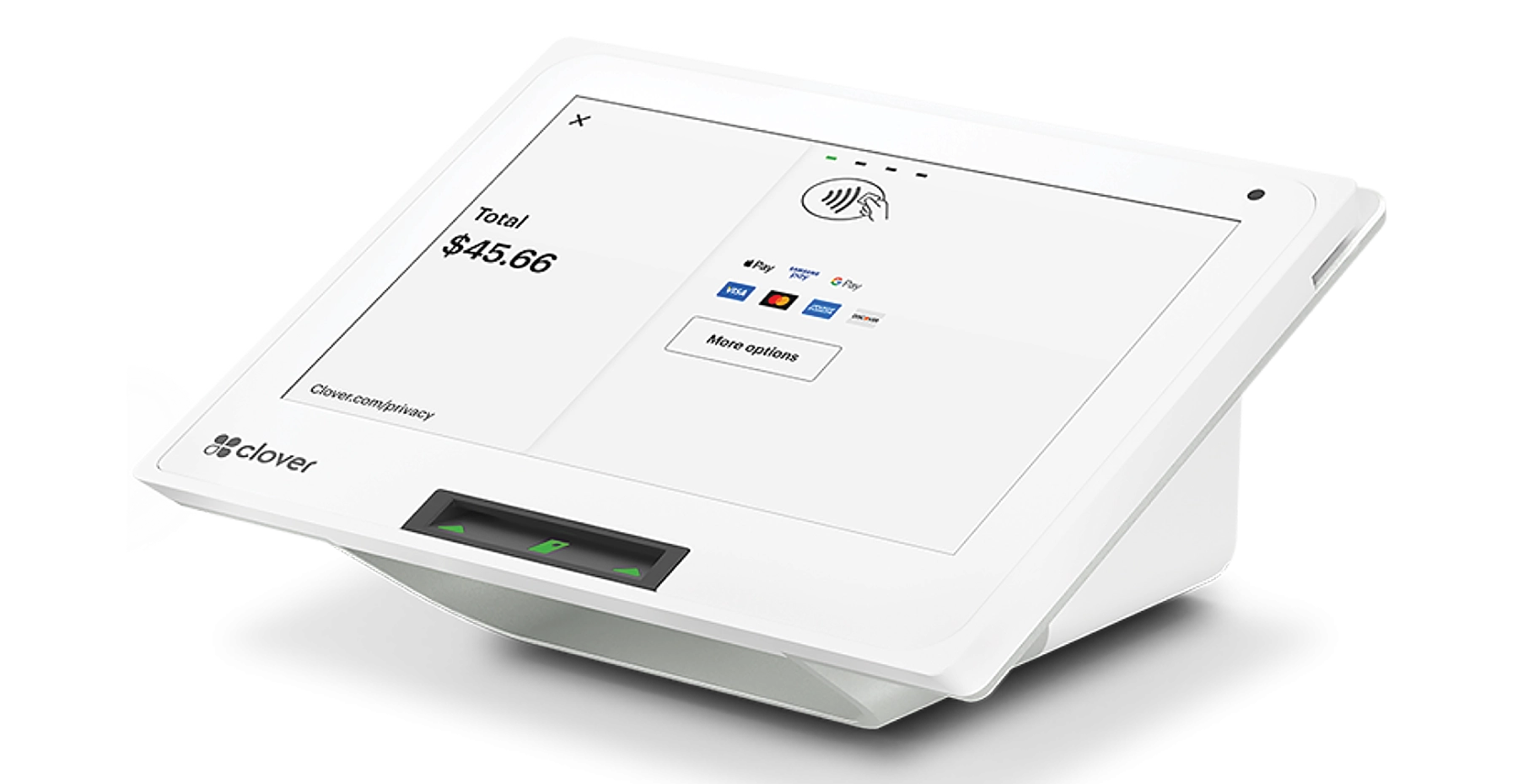
Modern POS systems like Clover can support dual pricing when configured correctly.
To learn more about POS capabilities, see:
➡️ https://www.getvms.com/clover-pos-system/
Improper configuration—not the pricing model itself—is the most common source of compliance problems.
Why VMS Often Recommends Dual Pricing Over Surcharging
From an operational and compliance perspective, VMS typically recommends dual pricing because it offers:
-
greater transparency
-
fewer customer complaints
-
simpler compliance
-
faster checkout
-
lower dispute risk
-
predictable margins
This recommendation is based on:
-
industry type
-
customer behavior
-
transaction size
-
regulatory environment
More information on VMS payment solutions can be found here:
➡️ https://www.getvms.com/payment-processing/
How to Explain Dual Pricing vs Surcharging to Customers
Clear communication prevents issues.
Dual Pricing Explanation
“We offer a lower cash price and a card price that includes processing costs.”
Surcharging Explanation
“A small fee is added to credit card payments to cover processing costs.”
The first explanation tends to be accepted more easily in consumer-facing environments.
Final Thoughts: The Real Decision in Dual Pricing vs Surcharging
The debate around dual pricing vs surcharging is not about legality or ethics—it is about clarity, customer experience, and operational simplicity.
-
Dual pricing adjusts prices before checkout
-
Surcharging adds a fee during checkout
For most retail and service businesses, dual pricing offers the best balance of:
-
transparency
-
compliance
-
customer acceptance
-
ease of implementation
Surcharging remains a valid option in specific industries but carries higher compliance and perception risk.
If you are considering either model, VMS can help evaluate your business type, configure your POS correctly, and ensure your pricing strategy is implemented compliantly from day one.
If you want next:
-
a merchant-facing FAQ
-
a staff training guide
-
signage language examples
-
or a state-by-state legality overview
just let me know.