
Marketing is an essential part of growing your business. However, many small business owners struggle with limited budgets and uncertainty about where to start with marketing. Even the most cost-effective marketing campaigns can be prohibitively expensive for a bootstrapped small business, so small business spend on marketing needs to be strategic to maximize results. Before choosing which marketing ideas to implement, it’s important to understand your target market to ensure your efforts are effective. Fortunately, this article provides just what small business owners need: practical, budget-friendly marketing ideas you can try on your own to jumpstart your business.
Building Online Presence
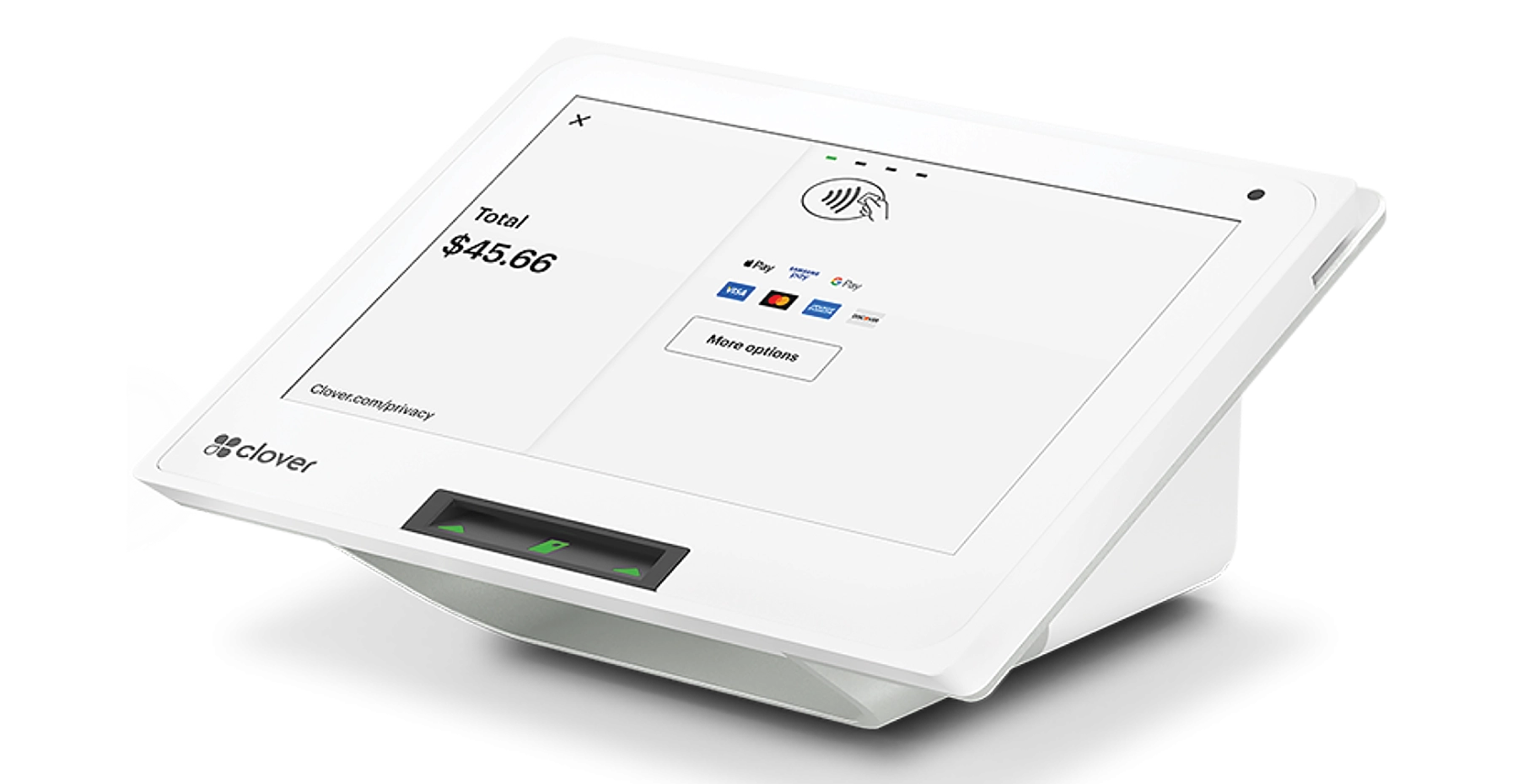
For small businesses, establishing a strong online presence is one of the most effective ways to reach potential customers and stand out in a crowded market. Start by creating a professional website that showcases your business name, products, services, and contact information. Your website acts as your digital storefront, making it easy for customers to learn about your offerings and get in touch, while in-person tools like a Clover self-service kiosk for small businesses can extend that experience inside your physical location.
Next, claim and optimize your Google Business Profile. Google Business Profile optimization ensures your business appears in local search results and on Google Maps, making it easier for local customers to find you. Keep your business hours, address, and contact details up to date, and add photos to make your listing more appealing.
Don’t forget about social media platforms. Setting up business profiles on platforms like Facebook, Instagram, or LinkedIn allows you to connect with your audience, share updates, and build relationships through regular social media posts. By maintaining an active presence online, you’ll increase your visibility in search results and make it easier for potential customers to discover your business.
Get Active On Social Media in 2024
Depending on the industry and niche you are in, chances are that your customers are on one or more of the popular social media platforms. It’s important to focus your efforts on the platforms where your specific customers spend time, as this ensures your marketing ideas for small businesses reach the right audience.
If you aren’t ready to pay a marketing agency (or hire someone) to conduct social media marketing, you can still get onto Facebook, Twitter, etc. on your own and interact with your customers. By engaging with your customers and offering helpful solutions, you can build brand loyalty right from your phone. In addition to organic activity, social media advertising can be a cost-effective way to boost your visibility and engagement, using options like Facebook ads or boosting posts. Running a marketing campaign on social media can help attract new customers and nurture leads.
Influencer marketing is another strategy, allowing you to leverage the credibility and reach of individuals with established audiences to promote your business. Emerging tools like artificial intelligence in small business marketing can also help optimize your campaigns and improve targeting. It’s also important to understand the difference between organic efforts and paid advertising—while organic posts build relationships over time, paid advertising can accelerate results and target specific audiences. Be sure to track your ad spend to ensure a good return on investment.
Content Creation
Content creation is a cornerstone of small business marketing. By regularly producing valuable content—such as blog posts, social media posts, videos, or helpful tips—you can attract potential customers and keep your existing audience engaged. Drawing inspiration from small business success stories and growth journeys can help you identify the types of content that resonate with your audience. Sharing your expertise through content helps establish your business as a trusted resource in your industry.
To maximize the impact of your content, focus on search engine optimization (SEO). Use relevant keywords and phrases that your target audience is likely to search for, which will help your content rank higher in search results. For small businesses serving a specific area, local SEO is especially important. Create content that addresses local interests or needs, and include location-specific keywords to attract customers searching for products or services nearby.
Whether you’re sharing a behind-the-scenes video, writing a blog post about your latest offering, or posting helpful content on social media, consistent content creation will help you reach more people and grow your small business.
Local Marketing
Local marketing is all about connecting with your community and making your business a go-to choice for nearby customers. Start by optimizing your Google Business Profile so your business stands out in local searches. If you’re considering selling online, carefully weigh the pros and cons of transitioning a small business to eCommerce so your local efforts complement, rather than compete with, your digital strategy. Participate in local events, sponsor community activities, or join local meetups to increase your visibility and build relationships with other local businesses and residents.
Make sure your business is listed in local directories and online listings, as these platforms help attract customers searching for services in your area. Creating content that highlights your involvement in the community or features local stories can also increase brand awareness and foster loyalty among your customer base.
Social media platforms are powerful tools for local marketing. Use targeted social media posts and ads to reach people in your area, promote special offers, and share updates about local events. Seasonal promotions, such as strategies to attract new customers during Memorial Day weekend, can further boost your visibility. By focusing your marketing efforts on your immediate community, you’ll attract new customers and strengthen your reputation as a trusted local business.
Referral Marketing
Referral marketing leverages the power of word-of-mouth to attract new customers and grow your customer base. Encourage your existing customers to refer friends and family by offering incentives such as discounts, free products, or exclusive deals through referral programs. A well-structured referral program not only rewards loyal customers but also helps you reach new audiences who are more likely to trust recommendations from people they know.
Online reviews play a crucial role in referral marketing. Ask satisfied customers to leave positive reviews on platforms like Google, Yelp, or Facebook. Respond to reviews—both positive and negative—professionally to show that you value customer feedback.
Promote your referral programs through email marketing campaigns and social media platforms. Share customer testimonials and success stories to inspire others to spread the word about your business. By making it easy and rewarding for customers to refer others, you’ll create a steady stream of new customers and strengthen your business’s reputation.
Small Business Customer Loyalty Program
Offering an incentive for customers to come back is a great way to increase customer loyalty. You can even pair your loyalty program with receipt marketing as a $0 advertising strategy, using purchase receipts to highlight rewards, special offers, or referrals. While technically not a “free” marketing concept, you are technically only paying out of additional sales generated by the program, which means you should be better off than you would have been without the customer loyalty program.
Depending on the type of business you run, the specifics of the customer loyalty program will need to vary. However, the goal is to incentivize and reward customers for their repeat business, so make sure the reward is enough of an incentive to create this type of behavior. Consider offering a free product or free service as part of your loyalty program to encourage participation. Sharing customer stories about positive experiences with your loyalty program can also motivate others to join and build trust in your brand. Customer loyalty programs are especially valuable for growing businesses looking to retain and expand their customer base.
Email Marketing Newsletter
An email newsletter is a great way to stay engaged and provide ongoing value for your customers. Regular email campaigns can nurture leads and drive engagement, while running an email marketing campaign is a cost-effective way to boost sales and keep your business top-of-mind. Pairing your email strategy with insights from a cloud-based POS system for small business growth can help you segment customers and personalize offers. In addition to providing news and useful information, you can occasionally provide “exclusive” deals and promotions to your newsletter list, all of which can be used to encourage additional sales. Tracking the growth of your email subscribers is also a valuable measure of your marketing success. Email newsletters are a great tool for building relationships with your customers, helping to generate referrals and foster loyalty. To make it easy for customers to leave reviews or access special offers, include a direct link in your newsletter.
If you are interested in learning more about other marketing ideas in an affordable way, be sure to check out the various apps available on the Clover website. The Clover Duo, Mini, and Flex all offer a variety of free and inexpensive apps, including top-rated options from the Clover App Market, which can be used to drive brand awareness and increase the number of customers your business receives. To learn more about Clover-integrated apps, simply visit the Clover website.
Measuring Success
To ensure your small business marketing efforts are effective, it’s important to regularly measure your results. Use tools like Google Analytics to track website traffic, monitor how visitors interact with your site, and identify which marketing strategies are driving the most conversions. Social media analytics can help you understand which posts resonate with your audience, track engagement rates, and monitor follower growth.
Reviewing these metrics allows you to see what’s working and where there’s room for improvement. By analyzing the return on investment (ROI) of your marketing campaigns, you can make informed decisions about where to focus your time and resources. Regularly measuring your marketing efforts ensures that your small business marketing plan stays on track and continues to deliver results as your business grows.