

by Grace Barone
How Credit Card Processing Works: A Step-by-Step Guide for Business Owners
Introduction
Running a business means getting paid, and in today’s world, that means accepting credit and debit cards. But have you ever wondered what happens behind the scenes when a customer swipes, dips, or taps their card?
Most people think it’s as simple as “money goes from the customer’s card into the business’s bank account.” But the truth? Credit card processing is a complex, multi-step process involving multiple players, security measures, and fees—all happening in just a few seconds.
This guide will take you from complete beginner to expert-level understanding of how credit card transactions work, who is involved, and how you can optimize your payment processing to save money and run your business more efficiently.

Who’s Involved in a Credit Card Transaction?
Before we jump into the mechanics, let’s introduce the key players.
1. The Cardholder (Your Customer)
This is the person making the purchase. They use their credit or debit card to buy goods or services from a business.
2. The Merchant (You, the Business Owner)
You accept the card payment in exchange for your products or services. To do this, you need a payment processing system (like a POS terminal or an online payment gateway).
3. The Merchant Service Provider (MSP)
Also called a payment processor, this is the company that facilitates transactions between you and the banks. It ensures the payment request is routed securely and money gets deposited into your account.
4. The Payment Gateway (For Online Payments Only)
For eCommerce businesses, the payment gateway is the secure technology that transmits customer card data to the payment processor for authorization. Examples include Authorize.net, PayPal, and Stripe.
5. The Credit Card Network (Visa, Mastercard, Amex, Discover)
These are the card brands that set the rules, fees, and security standards. They also facilitate communication between banks.
6. The Issuing Bank (The Customer’s Bank)
This is the bank that issued the customer’s credit or debit card (e.g., Chase, Bank of America). They approve or decline the transaction based on available funds or credit limit.
7. The Acquiring Bank (Your Business’s Bank)
This is the financial institution that receives and deposits the money from transactions into your merchant account.
The Step-by-Step Credit Card Transaction Process
Now that we know the players, let’s break down what happens when a customer pays with a card.
Step 1: The Customer Makes a Purchase
The process begins when the customer swipes, dips, or taps their card on your POS system or card reader. For online transactions, they enter their card details into a secure checkout form.
Step 2: The Payment Request is Sent for Authorization
Your payment terminal or website encrypts the card details and sends them to the payment processor, which then forwards the request to the credit card network (Visa, Mastercard, etc.).
Step 3: The Issuing Bank Approves or Declines the Payment
The customer’s bank checks:
- Is there enough money in the account?
- Is the card valid and not expired?
- Are there any fraud alerts or suspicious activity?
If everything checks out, the bank approves the transaction and sends the approval back through the network. If not, it sends a declined message.
Step 4: The Authorization is Sent Back to Your POS
Your POS system receives the approved or declined response within seconds. If approved, the sale is completed, and the customer gets their receipt.
Step 5: Settlement and Fund Transfer
At the end of the business day, all transactions are batched together and sent for settlement. The acquiring bank (your business’s bank) receives the money and deposits it into your merchant account—usually within 1-2 business days.
Understanding Credit Card Processing Fees
Accepting credit cards isn’t free—there are several types of fees businesses must pay. Let’s break them down:
1. Interchange Fees (Largest Portion of Fees)
Charged by the issuing bank to cover transaction processing and fraud prevention. These vary based on card type, business type, and transaction method.
Example: Visa and Mastercard charge interchange fees between 1.5% and 3.5% per transaction.
2. Assessment Fees
Charged by the credit card networks (Visa, Mastercard, etc.) for maintaining the card system. These are small fees but unavoidable.
3. Payment Processor Fees
Your merchant service provider charges a fee for handling transactions. These fees vary based on the pricing model:
- Flat-Rate Pricing – A fixed percentage per transaction (e.g., 2.9% + $0.30).
- Interchange-Plus Pricing – You pay the interchange fee plus a small markup.
- Tiered Pricing – Fees depend on the type of transaction (can be expensive).
4. Chargeback Fees
If a customer disputes a transaction and wins, you’ll lose the sale AND pay a chargeback fee ($20–$50 per dispute).
5. Monthly/Annual Fees
Some processors charge for PCI compliance, statement fees, and even hidden fees (read the fine print!).
How to Choose the Best Credit Card Processor
Not all payment processors are created equal. When choosing one, consider these factors:
1. Transparent Pricing
Look for a provider with clear and predictable fees—avoid companies with hidden costs.
2. Fast Payouts
Some processors deposit funds the next day, while others take 2-3 business days. If cash flow is important, choose a provider that offers same-day funding.
3. POS System Compatibility
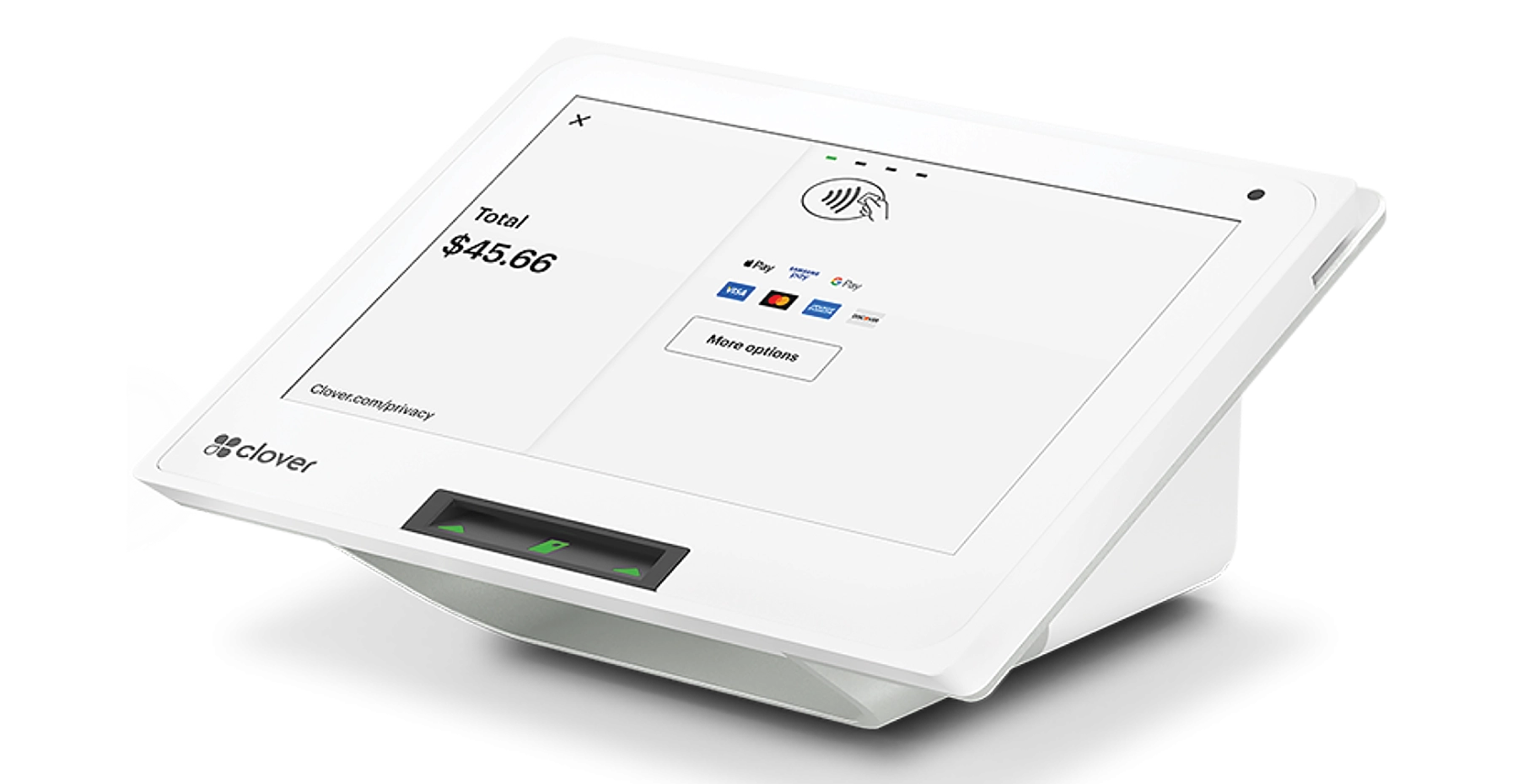
Your payment processor must work with your POS system, online store, or mobile device. Popular systems include Clover, Square, and Stripe.
4. Strong Security & Fraud Protection
A good processor will provide:
- PCI Compliance Support
- End-to-End Encryption
- Chargeback Prevention Tools
5. Customer Support
Look for 24/7 live support—not just email responses that take days.
The Future of Credit Card Processing
Technology is changing how businesses accept payments. Here are some emerging trends:
1. Contactless & Mobile Payments
More consumers are using Apple Pay, Google Pay, and tap-to-pay cards for faster checkouts.
2. Cryptocurrency Payments
Some businesses now accept Bitcoin and Ethereum as payment options.
3. AI-Powered Fraud Detection
AI tools are improving security and reducing chargebacks by detecting fraudulent transactions in real-time.
Choose Your Credit Card Processor
Understanding how credit card processing works helps you make better decisions, reduce fees, and improve security. Now that you know the ins and outs, you can confidently choose the best payment processing solution for your business.
If you’re setting up payments for your business, look for a processor that offers transparent pricing, fast deposits, and strong security. A little research now can save you thousands of dollars in unnecessary fees down the road.