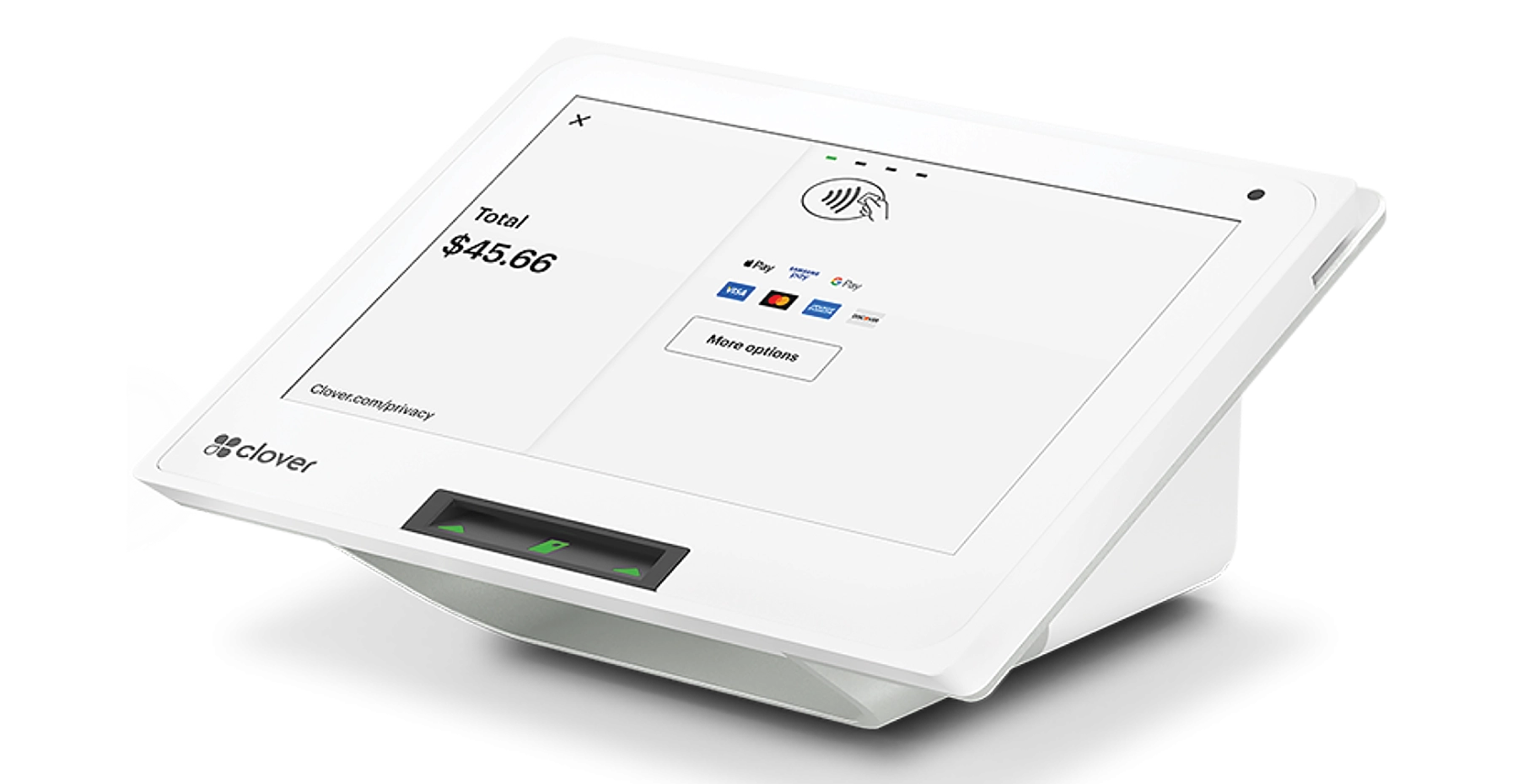


Running a business comes with a never-ending list of decisions. One of the biggest? Choosing the right credit card processing partner.
It’s kind of like dating—pick the wrong one, and you’re stuck with high fees, bad customer service, and a whole lot of frustration. But pick the right one, and you’ll have seamless transactions, happy customers, and a partner who actually helps your business grow.
To make sure you land the best match, here are the 10 most important questions business owners ask when searching for a credit card processing partner. Let’s dive in!
1. What Fees Should I Expect?
If there’s one thing you don’t want in a payment processor, it’s surprise fees. Unfortunately, some providers like to hide costs in the fine print, and before you know it, you’re shelling out way more than expected—exactly the kind of credit card processors to avoid.
Common Fees to Look Out For:
-
Transaction Fees: Charged for each credit card transaction processed.
-
Monthly Fees: Ongoing charges for maintaining your account.
-
Setup Fees: One-time costs to get your account up and running.
-
Payment Gateway Fees: Fees for using a payment gateway to process online transactions.
-
Early Termination Fees: Charges for ending your contract early.
-
Incidental Fees: Additional charges for specific services or transaction types, such as invoicing or recurring payments.
-
Monthly Statement Fees: Routine charges for receiving monthly statements from your processor.
-
Interchange Fees: Fees set by card networks and paid to the card-issuing bank for each transaction; these are a core component of processing costs.
-
Processing Fees: General fees applied during each stage of the payment process, which can vary by provider and pricing model.
-
Sample Monthly Statement: Request a sample monthly statement to review all itemized charges and ensure transparency.
There are several pricing models for credit card processing, including flat-rate pricing, tiered pricing, and interchange-plus (transparent pricing). Flat-rate pricing involves paying a fixed percentage per transaction, making costs predictable for businesses with lower transaction volumes. Tiered pricing categorizes transactions into qualified, mid-qualified, and non-qualified buckets, which can result in less transparency and potentially higher costs. Transparent pricing models such as interchange-plus vs flat rate pricing are often the best choice for credit card processing, as they provide clear breakdowns of fees.
Credit card processing fees typically range from 1.5% to 3.5% per transaction, but can reach as high as 5% depending on the type of card used and the processing model. To understand your true costs, calculate your effective rate by dividing your total fees by your total sales volume—this helps you compare providers and manage expenses effectively and decide whether interchange pricing offers better value.
Keep in mind that processors may have various monthly minimums, statement fees, and early termination fees, all of which can impact your overall monthly costs, especially under different cost plus vs tiered pricing models.
Common Fees to Look Out For:
-
Transaction Fees – The standard cut they take from each sale (usually between 1.5% and 3.5% plus a small fixed fee).
-
Monthly Fees – Some processors charge a flat monthly rate just for having an account.
-
Chargeback Fees – If a customer disputes a transaction and wins, you could get hit with a $20 to $100 fee per chargeback.
-
PCI Compliance Fees – Some providers charge a fee to help you stay PCI compliant with security regulations.
-
Hidden Fees – Some processors charge extra for things like printed statements, customer service, or equipment leases.
What to Do:
Before you sign anything, ask for a complete breakdown of fees. If they aren’t 100% transparent, that’s a big red flag.
2. What Payment Methods Can I Accept?
Customers want options when they pay. If your processor only accepts old-school credit cards and nothing else, you’re missing out on sales.
Popular Payment Methods to Consider:
-
Digital Payments: Accepting digital payments offers enhanced security, faster transactions, and greater convenience for both businesses and customers.
-
Mobile Wallets: Support for mobile wallets like Apple Pay, Google Pay, Alipay, and WeChat Pay allows customers to pay quickly and securely using their smartphones or wearable devices.
-
Mobile Card Readers: Mobile card readers are portable devices that let you accept payments on the go, making them ideal for businesses that operate outside a traditional storefront or need flexibility. Understanding how credit card processing works end-to-end helps you choose the right setup for these tools.
-
Payment Links: Payment links enable you to generate single-use or reusable links for remote or online transactions, simplifying billing and one-time payments for customers.
-
Online Sales: Enabling online sales channels expands your reach, allowing customers to purchase from anywhere and helping your business grow.
-
Accept Credit Card Payments: To accept credit card payments, you’ll need a merchant account, a payment gateway, and a payment terminal or compatible software.
Mobile and point-of-sale (POS) processors allow businesses to accept payments via mobile devices or dedicated terminals, supporting both in-person and remote transactions.
Key Payment Methods You Should Accept:
-
Credit & Debit Cards – Both EMV chip cards and swipe transactions.
-
Contactless Payments – Apple Pay, Google Pay, and tap-to-pay options.
-
Online Payments – Secure eCommerce transactions and digital invoicing.
-
EBT Processing – If your business qualifies, this is a huge deal for grocery stores and markets.
-
Buy Now, Pay Later (BNPL) – Ideal for businesses selling high-ticket items.
-
ACH & E-check Payments – Useful for service-based businesses.
Why It Matters:
Modern consumers expect fast and flexible payment options. If you don’t offer what they prefer, they’ll go somewhere else.
3. How Secure Is the Payment Processing?
Security is a non-negotiable factor. A single data breach could ruin your reputation and cost you thousands in lost business.
-
Secure Transactions: Ensure your credit card processor supports secure transactions by being PCI compliant and using advanced encryption to protect sensitive information during payment processing.
-
Fraud Prevention Tools: Look for processors that offer robust fraud prevention measures such as encryption, tokenization, and real-time monitoring to safeguard customer data.
-
Transaction Data: Choose a processor that allows you to track and analyze transaction data. This is crucial for fraud prevention, compliance, and generating business insights through detailed reporting.
-
PCI DSS Compliance: Credit card processors must comply with the Payment Card Industry Data Security Standard (PCI DSS), which requires maintaining a secure network, protecting cardholder data, managing vulnerabilities, and implementing strong access control measures.
Must-Have Security Features:
-
End-to-End Encryption – Ensures customer data is secure from the moment they tap their card.
-
PCI Compliance – This keeps your business up to security standards.
-
Tokenization – Converts sensitive data into a secure token and supports broader PCI compliance requirements for your business.
-
Fraud Prevention Tools – Some processors use AI to detect and stop fraudulent transactions before they happen, working alongside strong PCI compliance practices every owner should know.
What to Look For:
A good payment processor should include security features for free. If they charge extra for fraud protection, that’s a bad sign.
4. Will My Funds Be Deposited Quickly?
If you’re running a business, you need fast access to your money—not waiting 3 to 5 business days to get paid. Funding speed determines how quickly funds from credit card transactions are deposited into your bank account, and some processors offer same-day or next-day funding.
Funding Speed You Should Expect:
-
Same-Day or Next-Day Deposits – This is ideal for steady cash flow.
-
Instant Payout Options – Some processors let you access funds immediately (but often charge a small fee for it).
-
Weekend Deposits – Some banks hold weekend sales until Monday—avoid this if possible!
Why It Matters:
A delayed payout cycle can mess with payroll, inventory purchases, and your overall cash flow. Choose a processor that offers fast and reliable deposits.
5. Can I Process Payments Online and In-Store?
Many businesses aren’t just brick-and-mortar anymore—they sell online, through invoices, and on mobile.
Key Components and Tools for Processing Payments:
-
Virtual Terminal: Enables secure and convenient remote payment collection, allowing businesses to process payments over the phone or online without a physical terminal.
-
Credit Card Terminal: A physical device or POS system used to process credit card payments in person, essential for retail and face-to-face transactions.
-
Merchant Services: Comprehensive solutions and support provided by payment processors to help businesses handle electronic payments, including account setup, transaction management, and customer support.
-
Merchant Account: An intermediary bank account that temporarily holds funds from credit card transactions before transferring them to the business’s main bank account.
-
Payment Gateway: An application service that securely captures and transmits card data for online transactions, acting as a bridge between the merchant account provider and the payment processor, and is one of many credit card processing terms every business should know.
-
Credit Card Transactions: The core of payment processing, involving the secure transfer of funds for both online and in-person sales, and playing a vital role in the global economy.
-
Credit Card Processing Services: The ecosystem of providers and technology that work together to facilitate secure and reliable transactions for businesses of all sizes.
-
Accounting Software: Integration with accounting software streamlines financial management, reconciliation, and reporting, making it easier for businesses to manage their finances and understand what their credit card processing statement really means.
-
Processing Payments: Seamless integration of payment solutions enables businesses to efficiently accept payments across multiple channels, improving customer experience and operational efficiency.
Integration capabilities with existing POS systems, accounting software, and e-commerce platforms are crucial when selecting a credit card processor to ensure efficient operations. Payment processors handle backend money transfer and authorization, while payment gateways securely capture card data for online transactions.
Must-Have Features:
-
eCommerce Integration – Your processor should easily connect with your online store or shopping cart.
-
Mobile Payments – If you sell at events, trade shows, or on the go, this is a game-changer.
-
Recurring Billing – Perfect for businesses with subscriptions or memberships.
Why It’s Important:
A great processor should let you accept payments anywhere, anytime, without extra headaches.
6. What Happens If There’s a Chargeback?
Chargebacks are the bane of every business owner’s existence. They happen when customers dispute a charge, and the customer’s bank initiates the chargeback process, which can result in the payment being reversed if the dispute is won. If you don’t win the case, you lose the sale (and pay a fee).
How to Protect Yourself:
-
Get a Processor with Dispute Resolution Support.
-
Use Fraud Prevention Tools – Address verification, real-time alerts, and extra security layers help prevent chargebacks.
-
Provide Excellent Customer Service – Many disputes happen because of misunderstandings. Clear refund policies help too!
What You Want:
A processor that actually helps you fight chargebacks, instead of just deducting money from your account.
7. Is Customer Support Available When I Need It?
If something goes wrong with your payments, you need help ASAP—not an automated phone tree that never ends. Poor customer support can result in unresolved issues, long wait times, and even lost sales, making it a critical factor when choosing a credit card processor.
Good Support Includes:
-
24/7 Live Support – Not just email tickets that take 48 hours to respond.
-
Phone & Chat Support – Some problems can’t be solved over email.
-
Dedicated Account Managers – If you’re a bigger business, this is a huge bonus.
Why It Matters:
If your system crashes on a busy Saturday night, you need a processor that actually picks up the phone and helps.
8. Will the POS System Fit My Business Needs?
Your POS system should do more than just take payments—it should help run your business better.
-
Inventory Tracking: Look for POS systems that offer robust inventory management as part of a suite of tools designed to streamline operations and support business growth. This integration can help you monitor stock levels, automate reordering, and improve overall efficiency, especially when you use a POS system with inventory management.
POS Features to Look For:
-
Inventory Tracking – Essential for retail and restaurants.
-
Employee Management – Track hours, set permissions, and manage schedules.
-
Loyalty Programs – Reward repeat customers automatically.
The Right Fit:
Make sure your processor offers POS software that fits your industry.
9. Can This Processor Grow With My Business?
Your business isn’t staying the same size forever—your processor should be able to keep up.
Features That Support Growth
-
Multi-location support: If you plan to expand, make sure your processor can handle multiple locations.
-
Omnichannel capabilities: Accept payments online, in-store, and on mobile.
-
Recurring Payments: Look for processors that support recurring payments, which are essential for businesses offering subscriptions or ongoing services. This feature automates billing, reduces manual effort, and enhances customer convenience.
-
High Transaction Volumes: Some providers may impose restrictions or charge higher fees when handling high transaction volumes. If your business expects a large number of transactions, ensure your processor can accommodate this without excessive costs or limitations.
Planning for the Future
Choose a processor that can scale with your business as it grows. Assess your transaction volumes and patterns, required payment types, and specific business model needs to ensure the provider is a good fit for your future plans.
Growth-Friendly Features:
-
Multi-Location Support
-
Advanced Reporting & Analytics
-
Omnichannel Sales (Online, In-Store, Mobile, etc.)
Why It’s Important:
A scalable processor will grow with you, not hold you back.
10. What Makes This Processor Better Than the Competition?
At the end of the day, what sets one processor apart from another?
Key Differentiators to Consider
-
Lower Processing Fees: Choosing a processor with lower processing fees can directly improve your business’s profitability by reducing the cost per transaction.
-
Customer Satisfaction: A seamless and secure payment experience increases customer satisfaction, encouraging repeat business and building trust in your brand.
-
International Transactions: If your business handles cross-border sales, consider how the processor manages international transactions, including currency exchange, higher transaction fees, and compliance with international payment regulations.
-
Collect Payments: Look for processors that offer flexible tools to collect payments, such as virtual terminals, payment links, invoicing, and integrations, making it easier to accept payments in various ways.
-
Business’s Bank Account: Understand how funds move from the customer to your business’s bank account, typically via a merchant account, payment gateway, and payment processor during settlement.
-
Transaction Process: Evaluate how the processor manages the transaction process, from authorization through settlement, to ensure security, efficiency, and transparency.
-
Transaction Initiation: The transaction initiation is the first step in payment processing, where the customer’s card details are captured and sent for authorization—this step is critical for a smooth payment experience.
Additional Considerations
Payment service providers (PSPs) allow businesses to accept payments without needing a traditional merchant account, often providing a more straightforward setup process. In 2022, the global credit card payment market was valued at $524.9 billion USD, highlighting the importance of secure credit card processing in the global economy. Effective credit card processing is crucial for small businesses as it helps reduce the risks of theft and fraud, thereby building and maintaining trust with customers.
Key Differentiators:
-
Lower processing rates
-
Better customer service
-
Faster payouts
Final Thoughts:
Choosing the right payment processor isn’t just about price—it’s about reliability, security, and support. Take your time, compare options, and pick the one that actually helps your business thrive**.**
Tired of unpredictable processing fees?
VMS offers cash discount and dual pricing programs that can bring your effective rate close to zero, plus a free statement review.
Or call our team: 888-902-6227
What Should I Know About Contract Terms and Flexibility?
When you’re choosing a credit card processor, the contract you sign can have a big impact on your business’s bottom line and future flexibility. It’s not just about the rates you see upfront—contract terms can affect everything from your monthly fees to how easily you can scale your payment processing as your business grows.
Key Contract Elements to Review:
-
Contract Length and Termination: Find out how long you’re locked in with your credit card processor. Some contracts run for several years and may include hefty penalties if you want to cancel early. Make sure you know exactly what it takes to end the agreement if your needs change.
-
Fees and Pricing: Go beyond the headline rates. Review all the details, including transaction fees, monthly fees, setup fees, and any hidden fees that might show up on your monthly statement. Understanding the full fee structure helps you avoid surprises and budget accurately.
-
Flexibility and Scalability: Your business won’t stay the same forever. Look for a credit card processor that offers flexible plans and can handle changes in your transaction volume or payment processing needs. The best processors make it easy to add new payment options or integrate with other business tools as you grow.
-
Customer Support and Service: Reliable customer support is essential, especially if you run into issues with payment processing. Check if the processor offers responsive service and knowledgeable support staff who can help you quickly resolve any problems.
How to Avoid Common Pitfalls:
-
Read the Fine Print: Don’t just skim the contract—read every clause, especially those about fees, termination, and service changes. Watch out for restrictive terms or excessive penalties that could hurt your business.
-
Understand the Fee Structure: Make sure you know exactly what you’ll be paying, including any hidden fees that might not be obvious at first glance. This includes transaction fees, monthly fees, and any extra charges for things like PCI compliance or additional services.
-
Assess Flexibility: Choose a credit card processor that can adapt as your business grows. Whether your transaction volume increases or you want to add new payment methods, your processor should be able to keep up without locking you into rigid terms.
-
Evaluate Customer Support: Fast, effective customer support can make all the difference when you need help. Look for credit card processing companies with a strong reputation for service and support.
-
Consider PCI Compliance and Security: Make sure your processor is up to date with PCI DSS standards and offers robust security to protect your customer data and prevent fraud.
-
Review Cancellation Policies: Know what’s involved if you need to cancel your contract. Some processors charge early termination fees or require lengthy notice periods, so it’s important to understand these terms before you sign.
By taking the time to review contract terms and focusing on flexibility, transparent pricing, and strong customer support, you’ll be better equipped to choose a credit card processor that fits your business today—and as you grow. This careful approach helps you avoid hidden fees, protect your customer data, and ensure your payment processing supports your long-term success.
Have questions about processing fees?
Fill out the form below and a VMS payment specialist will contact you shortly.