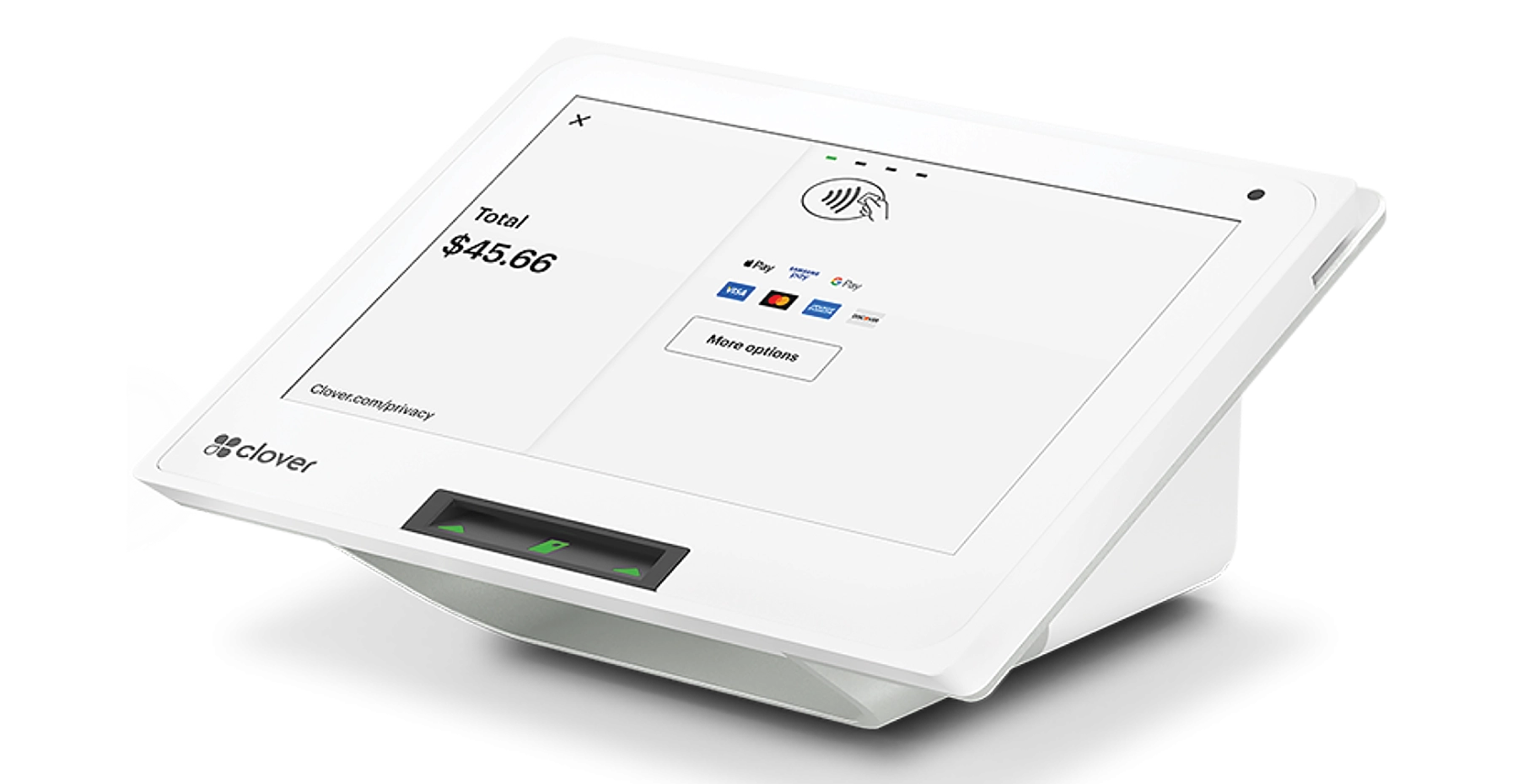


Ever heard about the digital dollar? If not, buckle up because we’re diving into a world of possibilities that could seriously shake up the way you do business. Large strides have already been made in the way we pay for things. Contactless payments, buy-now-pay-later, the list goes on. But, one development that is in the works is the digital dollar, the idea of a completely cashless society. If this idea comes to fruition, what could it mean for your business?
So, what’s this digital dollar buzz all about? It’s like the good ol’ greenbacks you’re used to, but with a techy twist. The U.S. Federal Reserve is toying with the idea of a digital version of our regular currency. A digital dollar would be a digital liability of the Federal Reserve, making it the safest digital asset available. CBDCs are digital versions of national currencies issued by central banks, serving as official, government-backed digital money, while stablecoins are privately issued tokens designed to maintain a constant value against fiat currencies.
Not quite crypto, but definitely a cousin in the family, and many business owners are also weighing whether accepting cryptocurrency payments makes sense for their operations. Other countries are also exploring or launching their own digital currencies, highlighting a global trend toward digital versions of national currencies.
Introduction to Central Bank Digital Currencies
Let’s start with the basics: Central Bank Digital Currencies, or CBDCs, are essentially digital forms of a country’s regular money, but instead of being printed as physical currency, they exist in a secure digital format. Think of it as your dollar bills or euros, but living in your phone or computer, issued and guaranteed by the central bank—like the Federal Reserve or the European Central Bank.
CBDCs are gaining serious traction worldwide, with about 93% of the world’s central banks actively exploring or developing their own digital currencies. The goal? To create a digital alternative to cash that’s fast, secure, and easy to use for everyone. By moving money into a digital form, central banks hope to boost financial inclusion, making it easier for people and businesses—especially those without easy access to traditional banking—to join the financial system. Plus, digital currencies can help cut down transaction costs and make the payment system more efficient, whether you’re paying a supplier across town or a customer across the globe. As the world shifts away from physical currency, CBDCs could become a key part of how we all do business.
Leveling the Playing Field
First up, let’s talk inclusivity. The digital dollar could be a game-changer for small businesses in the boonies or those facing financial barriers. Imagine having a digital wallet accessible through your phone, making financial magic happen with just a few taps. Digital payments via a digital dollar could provide a low-cost option for unbanked populations, expanding financial inclusion, which is especially important as many small businesses are already being squeezed by rising costs and slowing demand. Approximately 5.9 million unbanked U.S. households could gain access to the digital economy through the digital dollar. This would be very similar to the way people pay contactless. I love this benefit already. There have been quite a few times when I’m out and forget my wallet. In the past, you would be out of luck when it came to paying for anything. Now, many people have their digital wallets on hand via their phones, reflecting a broader shift where card and contactless payments now dominate everyday transactions. With the digital dollar, needing to have your wallet with you all the time would become obsolete.
Bye-bye Transaction Hassles
Who loves dealing with payment headaches and extra fees? Nobody. The digital dollar could be your superhero, swooping in to make transactions faster, safer, and cheaper. Say hello to quick settlements and wave goodbye to those pesky middleman fees eating into your hard-earned cash.
Making payments with a digital dollar could be instant and inexpensive, allowing individuals and businesses to settle transactions in real time. This ease of use and lower cost could help boost economic activity.
Stability in the Money Rollercoaster
Small businesses often ride the wild rollercoaster of currency fluctuations. Enter the digital dollar, your stability rock in the financial storm. Tied to the trusty dollar, it keeps your profits from going on a crazy rollercoaster ride, giving you a smooth and predictable journey. CBDCs are specifically designed to maintain purchasing power and offer a stable, reliable digital currency option, unlike cryptocurrencies which can be highly volatile.
Fort Knox Security and Transparent Books
In a world full of cyber baddies, security is a big deal. The digital dollar has your back with blockchain tech, making transactions super secure and transparent. This security and transparency are underpinned by distributed ledger technology, which enables decentralized verification of transactions across multiple nodes. However, implementing a central bank digital currency (CBDC) like the digital dollar involves significant technical challenges, including counterfeit protection, traceability, and anti-money laundering measures. It’s like having Fort Knox for your digital bucks, minus the moat and drawbridge.
Meeting Modern Consumer Vibes
As the world goes digital, your business needs to keep up. The digital dollar aligns with the cool kids who prefer swiping and tapping over cash exchanges. It’s not just a trend; it’s the new norm, and you want to be the hip business that gets it. Digital payments are already widely adopted, and both CBDCs and stablecoins are seen as responses to this growing demand for digital payment solutions, though they represent fundamentally different approaches to digital currency; at the same time, robust e-commerce solutions that support modern digital payments are becoming essential for small businesses that want to compete online.
Role of the Central Bank
When it comes to CBDCs, the central bank is the main player calling the shots. As the official issuer of digital currency, the central bank is responsible for making sure the financial system stays stable and secure. This means they have to weigh the potential benefits—like making banking services more accessible and slashing transaction costs—against possible risks, such as money laundering or the chance of bank runs if people rush to move their money out of traditional banks.
Central banks don’t work alone, though. They team up with commercial banks, financial institutions, and other key players to build a payment system that works for everyone. For example, the People’s Bank of China has already rolled out the digital yuan in several cities, giving us a glimpse of how a digital currency can operate on a large scale. By carefully managing the introduction of CBDCs, central banks aim to unlock new opportunities for businesses and consumers, while keeping the financial system safe and sound.
Hurdles? Yeah, We Got ‘Em
Now, let’s keep it real. This digital revolution isn’t all sunshine and rainbows.
-
Tech Headaches:
If you’re still rocking the dinosaur tech, hopping on the digital train might be a challenge. Time for an upgrade, perhaps—especially if you’ve been tempted by so-called free POS systems that hide long-term costs.
-
Red Tape Tango:
Brace yourself for a dance with regulations. The digital dollar party comes with rules, and you’ve got to follow them to keep the fun going. CBDCs require a complex regulatory framework that includes privacy, consumer protection, and anti-money laundering standards.
-
Privacy Dilemmas:
The digital dollar raises an eyebrow on privacy. Striking the right balance between openness and protecting your biz secrets is like walking a tightrope. Not impossible, just tricky. The design of a CBDC must balance the need for security and privacy, since anonymous transactions could be exploited for criminal activities. Additionally, the implementation of CBDCs raises significant privacy concerns, as they could enable real-time monitoring of transactions by governments.
-
Educate, Educate, Educate:
Everyone needs a crash course on the digital dollar. You, your customers, heck, even your grandma. It’s like the new ABCs of finance, and everyone needs to get on board, just as changes like the end of penny production are pushing businesses toward POS systems built for a more cashless future.
Federal Reserve Bank and Regulation
In the United States, the Federal Reserve Bank is at the center of the CBDC conversation. The Federal Reserve has launched several pilot projects—like Project Hamilton, Cedar, and Agora—to explore the technical side of creating a digital dollar. These initiatives are all about making sure the U.S. financial system stays competitive and secure as digital currencies become more common around the world.
Regulation is a hot topic, too. In March 2022, President Biden signed Executive Order 14067, which called for a thorough review of the potential benefits and risks of a CBDC to help maintain America’s leadership in the global financial system. The Treasury followed up with a detailed report, but stopped short of recommending whether the U.S. should actually launch a CBDC. Fast forward to January 2025, and President Trump issued Executive Order 14178, which put the brakes on any federal agency efforts to create or promote a CBDC, effectively halting related projects. As the debate continues, the Federal Reserve and other regulators are keeping a close eye on how digital currencies could reshape the financial system, making sure any move forward protects both businesses and consumers.
The Central Bank Digital Currency Dollar: Your Business Revolution
In a nutshell, the digital dollar is like a ticket to a high-speed train headed to the future of finance. Sure, there are bumps on the track, but the ride promises to be one heck of an adventure.
Now, let’s break it down further. Picture this: Your small business, once confined to the cash-and-card routine, now entering the digital playground. It’s not just about keeping up with the times; it’s about being the trailblazer that shapes the future of commerce. Digital money, such as the digital dollar, could also lead to significant changes in the banking sector, influencing how banks lend and manage deposits.
Imagine a world where every small business, from the quaint coffee shop on the corner to the funky boutique downtown, operates seamlessly in the digital space. That’s the promise the digital dollar holds—a chance for your business to shine in the spotlight of the future.
Breaking Down the Benefits
So, why should you care about the digital dollar? Well, let’s talk perks.
That’s the promise the digital dollar holds—a chance for your business to shine in the spotlight of the future. Digital assets, such as central bank digital currencies (CBDCs), stablecoins, and cryptocurrencies, are transforming the financial landscape. It’s important to understand the key differences: CBDCs are issued by central banks and backed by government, while cryptocurrencies are decentralized and not government-backed.
1. Lightning-Fast Transactions
We all know the agony of waiting for payments to clear, especially when every cent counts. With the digital dollar, transactions become as swift as a superhero landing. No more waiting for days; your money zips from one account to another in the blink of an eye.
2. Cost-Effective Financial Moves
Small business owners, it’s time to rejoice! The digital dollar could be the superhero cape you need to slash transaction costs. Say goodbye to those sneaky fees eating into your profits. With less money going to middlemen, you get to keep more of your hard-earned cash where it belongs—in your business. Compared to the existing payment system, which is already reliable and includes real-time payment options like FedNow, stablecoins can settle transactions quickly and at low costs, while CBDCs such as the digital dollar aim to provide similar benefits but are still in the early stages of implementation.
3. Rock-Solid Stability
In the financial world, stability is like a rare gem. Small businesses often face the turbulence of currency fluctuations, making it a wild ride to predict profits. Enter the digital dollar, your rock in the storm. Pegged to the traditional greenback, it offers a stable anchor, shielding your business from the wild swings of the financial rollercoaster.
Stablecoins are designed to maintain a constant value, making them popular for cryptocurrency trading and cross-border transactions, while CBDCs like the digital dollar aim to provide stable and reliable money for the internet age and everyday use.
4. Fort Knox Security
Now, let’s talk security. In an age where cyber threats loom large, protecting your business transactions is non-negotiable. The digital dollar comes with a built-in fortress of security—thanks to blockchain technology. Every transaction is recorded on a decentralized ledger, making it as secure as your grandma’s secret apple pie recipe. However, unlike decentralized cryptocurrencies, a digital dollar would be managed by a central authority, such as the government or central bank. This means that a centralized ledger for a digital dollar could raise significant privacy concerns regarding government surveillance of consumer spending.
5. Financial Inclusion on the Rise
Picture this: A small business in a remote village, miles away from the bustling city. The digital dollar brings financial inclusivity to the forefront, allowing businesses in far-flung areas to join the digital revolution. No more being left out; everyone gets a seat at the digital table.
Emerging markets are leading the way in global retail CBDC growth, aiming to reduce cash use, promote financial inclusion, and improve regulatory oversight.
6. Modernizing Customer Experience
Your customers are living in a digital world, and they expect you to join the party. The digital dollar aligns with the preferences of modern consumers who favor swiping cards and tapping screens over handling cash. Offering digital payment options not only meets customer expectations but also positions your business as a tech-savvy player in the market. Additionally, programmable money features could be integrated into digital dollars, enabling automated transactions, spending rules, or even expiration dates to support economic strategies and improve transaction efficiency.
Paying too much to accept cards?
VMS reviews your current statement free and shows you exactly what you are being charged — most merchants are surprised by what they find.
Or call our team: 888-902-6227
Keeping your Business up to Date
The digital dollar is still in the works, so if all this talk about the future is freaking you out, don’t worry. While not everyone agrees with the idea of the digital dollar or a cashless society, it is being talked about. As a business owner, you should at least be knowledgeable on topics that may affect your business, like this one. If you’re interested in learning more hot topics in the realm of the world of small business, or want inspiration from small business success stories powered by VMS, visit www.getvms.com
Have questions about payment processing?
Fill out the form below and a VMS payment specialist will contact you shortly.