

by Grace Barone
Tobacco shops aren’t just surviving — they’re booming in 2025. With the steady rise of vape culture, the explosion of Delta-8 and Delta-10 products, the spread of cannabis legalization across more states, and the mainstream acceptance of CBD edibles, the modern smoke shop has become a goldmine for smart entrepreneurs. Today’s tobacco shops aren’t the dusty old cigar dens of the past — they’re vibrant, profitable businesses catering to smokers, vapers, and wellness seekers alike. Careful planning, strict compliance with regulations, and a deep understanding of the market are essential for anyone looking to run a successful business in the modern tobacco industry.
What is a Tobacco Shop in 2026?
A tobacco shop, sometimes called a smoke shop, specializes in selling a wide range of smoking-related products. Yes, the basics like cigarettes, cigars, and pipe tobacco are still there. But in 2025, most smoke shops have expanded their inventory to include:
- E-cigarettes and vaping devices
- Delta-8 and Delta-10 THC products (where legal)
- CBD and hemp-derived items
- Smoking accessories like pipes, hookahs, and rolling papers
- Lifestyle products such as incense, candles, and smoking room decor
Offering a diverse product range is essential, as it can help differentiate your store from competitors and attract a wider customer base.
In many cases, these shops have also evolved into social hubs where customers come not just to shop, but to learn about products, attend events, or simply hang out.
Why More Entrepreneurs Are Opening Smoke Shops
Several trends are fueling the growth of tobacco shops:
First, consumer habits have shifted. Many people are swapping traditional cigarettes for smokeless options like vapes and e-cigs. These products are often seen as “healthier” (although that’s debatable) alternatives, creating a new demand stream.
Second, the legalization of medical and recreational cannabis across much of the U.S. has cracked open an entire new retail category. Even in states where marijuana remains illegal, products like Delta-8 and Delta-10 (hemp-derived cannabinoids) are legal and wildly popular.
Finally, the culture around smoking has changed. Especially among young adults, there’s less stigma and more of a “lifestyle” vibe. Smoke shops aren’t just places to buy products — they’re cool places to explore new trends.
**Industry Fun Fact:**As of 2025, the U.S. smoke shop industry is worth over $16 billion, and the average successful shop brings in $325,000 to $375,000 per year.
Before opening a tobacco shop, conducting thorough market research is essential. Market research helps you analyze local demographics, foot traffic, and competitors, which is crucial for strategic planning and choosing the right location. This step ensures your business is positioned to meet local demand and stand out from existing shops.
Creating a Business Foundation
Building a strong business foundation is the first step toward running a successful tobacco store. Start by crafting a detailed business plan that clearly defines your store’s mission, identifies your target market, and lays out realistic financial projections. Your business plan should also map out strategies for inventory management, marketing, and delivering top-notch customer service.
Before you open your doors, take time to research the tobacco industry and get familiar with the specific regulations and laws that govern the sale of tobacco products in your area. This knowledge will help you avoid costly mistakes and stay compliant from day one.
A well-prepared business plan is also your ticket to securing funding. Whether you’re relying on personal savings, applying for small business loans, or seeking investors, a solid plan demonstrates that you’re serious and prepared. By laying this groundwork, store owners set themselves up for a smooth launch and long-term success in the competitive world of tobacco sales.
Finding the Perfect Location
Choosing the perfect location for your tobacco store can make or break your business. Look for spots with high visibility and steady foot traffic—think busy shopping centers, main streets, or areas near popular retailers. Easy access and ample parking are must-haves to ensure customers can visit your store without hassle.
Before signing a lease, make sure the location complies with all local regulations and zoning laws related to tobacco retailers. Research the demographics of the area to ensure your target market is nearby and ready to shop. It’s also wise to scope out the competition; being too close to other smoke shops or tobacco retailers can dilute your customer base. By carefully selecting your store’s location, you’ll maximize your chances of attracting new customers and driving strong sales from day one.
How Much Does it Cost to Open a Smoke Shop?
Opening a tobacco shop today involves significant startup costs, which can range from $50,000 to $200,000 and will vary depending on factors such as location, store size, initial inventory, and the extent of your store setup. Most tobacco shops need between $50,000 and $150,000 to open, depending on location, store size, and product offerings. Startup costs typically include inventory, licenses, equipment, and marketing.
Compared to restaurants, salons, or franchises, it’s relatively affordable — and the margins on accessories and vapes can be very attractive.
In addition to startup costs, you’ll need to plan for operational expenses, which include ongoing costs such as rent, insurance, marketing, and technology. Ongoing expenses for a tobacco store can include rent, insurance, marketing, and technology costs. Business insurance for a tobacco store typically costs between $500 and $1,000 annually. Initial inventory costs can range from $10,000 to $50,000, depending on your store’s size and expected foot traffic. Rent and setup costs can also vary depending on the square foot of your chosen location. Maintaining healthy profit margins is crucial, so focus on effective inventory management and building strong supplier relationships.
Key Things to Consider Before You Open
You can’t just throw some vape pens on a shelf and call it a day. There’s some serious planning needed:
**Location:**Choosing the right location is crucial for attracting your target audience and potential customers. Look for spots with high visibility and accessibility, such as strip malls, busy intersections, or near college campuses (where legal). Consider foot traffic and proximity to your target audience and potential customers, as these factors can significantly impact your store’s success.
**Licensing:**You’ll need to obtain all necessary licenses and permits to sell tobacco, sell tobacco products, and legally sell tobacco products. This includes a tobacco license for cigarettes, cigars, vapes, and related products, as well as any additional permits required for selling hemp or Delta products. The state government is responsible for issuing and renewing many of these licenses and permits, so be sure to comply with all state-specific regulations. Completing all necessary paperwork is essential to avoid penalties and ensure your business operates legally. More on licenses below.
**Inventory Strategy:**Start with the essentials — cigarettes, vapes, popular accessories — and build out based on what your customers actually buy. Tailor your product selection to your target audience and potential customers. Don’t blow your budget on slow-moving niche products right away.
**Smoking Accommodations:**Some shops offer smoking lounges, cigar rooms, or vape testing bars. If you go this route, you’ll need to budget for ventilation, furniture, and possibly additional licenses.
**Cigar Storage:**If you’re selling premium cigars, you must have a proper humidity-controlled room or cabinet. Cigars stored wrong = wasted money.
When setting up your retail business, it’s important to register your business name and decide on the right legal structure. Common options include sole proprietorships, which are simple and low-cost but offer no personal liability protection, and limited liability companies (LLCs), which provide liability protection for owners and are a popular choice for retail businesses. Each structure has its own benefits and drawbacks, so choose the one that best fits your needs.
Be aware of advertising restrictions and always comply with legal guidelines when promoting tobacco products, especially on social media and other platforms.
A solid business plan is key to getting your tobacco store off the ground. Starting a tobacco store requires a detailed business plan, securing specialized licenses, and ensuring strict compliance with age-verification laws.
Obtaining Business Insurance
Protecting your tobacco store with the right business insurance is essential for managing risks and safeguarding your investment. Store owners should explore comprehensive insurance policies that cover property damage, theft, and general liability—these are the basics every tobacco business needs.
Given the unique nature of selling tobacco products, it’s also smart to consider product liability insurance, which can shield your business from claims related to the sale of tobacco items. Take the time to compare different policies and providers to find coverage that fits your store’s specific needs. With the right business insurance in place, you’ll have peace of mind knowing your store is protected against unexpected events, helping ensure your business remains stable and successful.
Licenses You’ll Need (No Skipping!)
No license, no business. Period.
To open a tobacco shop, you must obtain all necessary licenses and permits to operate legally. Most states require a tobacco retail license to legally sell tobacco products, with costs typically ranging from $15 to $200. Required licenses may include a federal EIN for tax purposes, a retailer license, and specific permits for additional products like vapes. These necessary licenses are crucial for legal compliance and must be secured before you open your doors.
The main one you’ll need is a retail tobacco license issued by your state (and sometimes your city/county). Here’s the basic drill:
- Apply through your state’s revenue department.
- Pay the application fee (usually $100–$500).
- Renew your license every 12 months.
- Licenses and permits must be prominently displayed at each location.
If you sell Delta-8, CBD, or hemp products, double-check your state’s regulations — some require additional permits for hemp-derived goods.
Failure to obtain the necessary licenses can result in steep fines from city or state governments. Licenses and permits are only valid for a certain amount of time, so they must be renewed on time. The state government is responsible for issuing and renewing these licenses and permits.
Bonus homework: Keep all tobacco-related purchase invoices for 4 years, and make sure your first-year invoices stay at the licensed location in case of a surprise inspection.
Taxes That Will Hit Your Wallet
Welcome to the not-so-fun part of running a smoke shop: taxes.
Here’s what you’re up against:
Excise Taxes:
Both federal and state governments slap excise taxes on tobacco, vape, and sometimes even Delta products. These taxes are charged per unit — and they add up fast.
Federal Import Tax:
If you’re selling imported cigars, you’ll owe customs duties to U.S. Customs and Border Protection.
State/Local Surcharges:
Some states and cities pile on extra tobacco fees to fund public health programs. Yep — more hands in your pocket.
Sin Taxes:
Since smoking is still considered a “vice,” many products are taxed extra heavily under so-called “sin tax” laws.
Translation:
Factor taxes heavily into your pricing strategy, or you’ll find yourself losing profits faster than you can say “cash discount program.”
Staffing and Training
The right team can set your tobacco store apart from the competition. Hire staff who are not only friendly and approachable but also knowledgeable about tobacco products, including cigarettes, cigars, and chewing tobacco. Comprehensive training is key—make sure your employees understand your inventory management system and point of sale system so they can efficiently manage inventory and process sales.
Equally important is training your staff on age verification procedures and compliance with all relevant regulations. Well-trained employees can confidently answer questions, provide excellent customer service, and help your store avoid costly compliance issues. Investing in your team’s training pays off in higher customer satisfaction and increased sales, making it a cornerstone of any successful tobacco store.
Managing Inventory
Effective inventory management is the backbone of a successful tobacco store. Implement an inventory management system that allows you to track stock levels, monitor sales trends, and streamline ordering for all your product lines—including cigarettes, cigars, and smoking accessories. A well-organized system helps store owners minimize waste, avoid stockouts, and keep customers happy by ensuring popular items are always available.
Consider adding a loyalty program to reward repeat customers and encourage ongoing business. By combining smart inventory management with customer-focused incentives, you’ll boost customer satisfaction and build a loyal following—key ingredients for long-term success in the tobacco industry.
How to Maximize Profits in 2026
If you’re opening a smoke shop, you’re not just in the sales business — you’re in the smart business.
Here’s how to boost your bottom line:
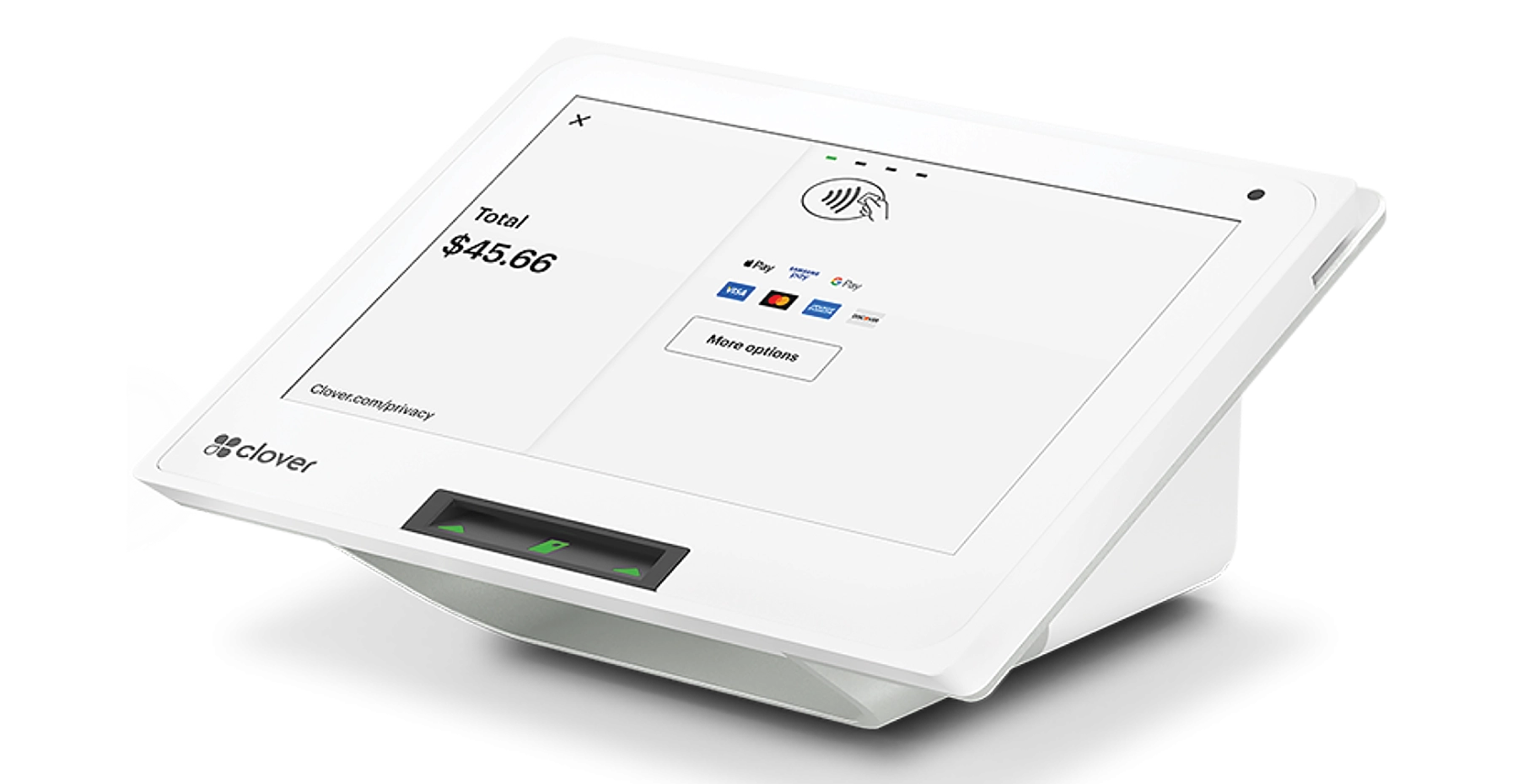
**Use a Powerful POS System:**Choosing the right pos system, especially a payment processing solution for smoke shops, is crucial for your smoke shop. A specialized POS system like the Clover Flex, Mini, or Duo (hint: we can hook you up) tracks sales, manages inventory automatically, and simplifies compliance reporting, including age verification. Streamlining operations with clear processes helps reduce mistakes and keeps everything moving smoothly. Remember, a dependable inventory and supply chain is the backbone of any smoke shop. You’ll also be able to keep perfect invoice records — a must for staying licensed.
**Start a Cash Discount Program:**Processing fees from credit cards can eat into your margins. A cash discount program prices products slightly higher for card users, while rewarding cash payers with a discount. It’s legal, easy to set up, and boosts your profit instantly.
**Launch a Customer Loyalty Program:**Smoke shop customers are creatures of habit. Set up a loyalty system — like points for purchases or free swag giveaways — and they’ll keep coming back to you, not your competitors. Maintaining healthy profit margins is essential, so monitor your inventory and supplier relationships closely to ensure your business stays profitable.
**Enroll in a Scan Data Program:**This is a massive revenue booster. Through programs like our scan data tobacco programs and Velocity Pro Pack, you send your cigarette sales data to major brands like Altria or R.J. Reynolds and get rebates back. Translation: You get paid just for selling cigarettes you’re already selling. NRS funding is also available as a quick and accessible financial solution for retailers needing business capital.
**Focus on Marketing Campaigns and Efforts:**A focused marketing plan and ongoing marketing efforts are essential for bringing customers through your doors. Plan strategic marketing campaigns, such as grand opening events, customer promotions, and compliant email/SMS outreach, to grow your customer base and boost sales.
Final Thoughts: Is a Tobacco Shop a Good Investment in 2026?
If you plan it right, absolutely.
With the right approach, a tobacco shop can be a profitable business. Building customer loyalty through quality products and excellent service is key to long-term success.
The demand for vape products, Delta THC, and traditional tobacco is growing, not shrinking — especially in urban and suburban communities. And with lower startup costs than a lot of retail businesses, a tobacco shop can be a smart, high-margin investment.
The keys?
- A great location,
- Smart inventory management,
- A rock-solid POS system,
- And keeping a sharp eye on taxes and licensing.
VMS** is here to help you accept payments confidently, securely, and with peace of mind—because small businesses deserve big protection.** Learn more about our merchant services company and how we support small business owners like you.