

You knew something was off the moment you opened last month’s statement. The fees were higher than expected — again. Or maybe it was the third time you sat on hold waiting for customer support that never actually solved your problem. Or perhaps your current processor still can’t handle the tap-to-pay transactions your customers keep trying to use.
Whatever the reason, you’re thinking about making a move — and you’re not alone. Thousands of small business owners switch payment processors every year, and most of them wish they’d done it sooner. The good news? Switching is a lot less painful than it sounds — if you know what you’re doing.
This guide walks you through exactly how to switch payment processors, what to watch out for, and how to make sure your business doesn’t skip a beat during the transition. According to NerdWallet’s 2026 payment processor rankings, small businesses have more quality options than ever — so if your current setup isn’t working, switching is absolutely worth it.
Signs It’s Time to Switch Payment Processors
Before we get into the “how,” let’s make sure you’re clear on the “why.” Sometimes business owners stick with a bad processor out of inertia — it’s familiar, it mostly works, and the thought of switching feels like more trouble than it’s worth. But staying put can quietly cost you thousands every year. Here are the clearest signs it’s time to switch payment processors.
You’re Paying Too Much in Processing Fees
This is the big one. Credit card processing fees typically run between 1.5% and 3.5% per transaction, depending on your pricing model and card type. If you’re on a tiered pricing plan and your processor hasn’t been transparent about how those tiers work, there’s a solid chance you’re overpaying.
Compare your current effective rate (total fees divided by total volume) against what’s available through interchange plus pricing, where you pay the actual interchange cost plus a fixed processor markup. The difference can be meaningful — hundreds or even thousands of dollars annually, depending on your volume.
You’re Not Getting the Support You Deserve
Payment issues don’t happen on a schedule. If your terminal goes down on a Saturday afternoon during a rush, you need someone who picks up the phone — not a chatbot and a two-day ticket response time. Reliable, responsive customer support isn’t a luxury for small businesses. It’s a necessity.
Your Processor Can’t Keep Up with Your Business
Maybe you’ve expanded to multiple locations and your current system doesn’t handle that well. Maybe you’re adding online ordering and your processor’s gateway is an afterthought. Maybe customers keep asking about contactless payments and your hardware is five years old. These are real, concrete signs that your current setup is limiting your growth — and reason enough to switch payment processors.
Your Contract Is Finally Up
Many merchant service agreements run one to three years with auto-renewal clauses and early termination fees (ETFs) that can range from a few hundred to a few thousand dollars. If your contract is expiring, or if you’ve already calculated that the ETF is less than what you’ll save by switching — now is the time.
What to Know Before You Switch Payment Processors
Switching without doing your homework can lead to unnecessary fees, equipment headaches, and gaps in service. Before you switch payment processors, here’s what to review.
Read Your Current Contract Carefully
Pull out your merchant services agreement and look specifically for:
- Early termination fees — What does it cost to leave before your contract ends?
- Auto-renewal clauses — Has your contract already renewed without you noticing?
- Notice requirements — Some processors require 30 to 90 days written notice before cancellation.
- Equipment lease terms — If you’re leasing your terminal or POS hardware, that’s often a separate contract with its own terms.
Don’t assume you know what’s in there. Processors sometimes bury fees in the fine print, and discovering an unexpected $500 ETF after you’ve already signed with a new provider is an unpleasant surprise.
Understand Your Current Pricing Model
Before you can evaluate alternatives, you need to know what you’re actually paying now. Your merchant statement should break down interchange fees, processor markup, monthly fees, statement fees, PCI compliance fees, and any batch or gateway fees.
If you can’t make sense of your statement — and plenty of business owners can’t — that’s actually a red flag in itself. A good processor gives you a statement you can understand. VMS has a guide to decoding your credit card processing statement that can help you get clear on exactly what you’re paying for.
Know Your Equipment Situation
Are you purchasing or leasing your current terminal or POS system? If you own your equipment, you may be able to reprogram it to work with a new processor (though not always — some are locked). If you’re leasing, you need to understand those obligations separately from your merchant services contract.
How to Switch Payment Processors: Step by Step
Alright, let’s get into the actual process. When you’re ready to switch payment processors, the good news is that a quality provider handles much of the heavy lifting for you.
Step 1: Do Your Research and Get Quotes
Start by identifying two or three processors that fit your business type, volume, and needs. Ask for a detailed rate quote — not just a teaser rate — and make sure you understand exactly what’s included. Ask specifically about monthly fees, per-transaction rates, hardware costs, contract length, and customer support hours.
Don’t just look at the rate. A processor charging 2.3% with excellent support, modern hardware, and no hidden fees is often a better deal than one offering 1.9% with a confusing contract and midnight-only phone support.
Step 2: Apply for Your New Merchant Account
Once you’ve chosen a new provider, you’ll complete a merchant application. This typically requires basic business information (legal name, address, EIN), bank account details, a few months of processing statements, and government-issued ID. Approval can take 24 hours to a week depending on the provider.
Step 3: Run Both Accounts in Parallel
Here’s a pro tip most guides skip: don’t cancel your old processor the moment your new account is approved. Keep both active for at least one to two weeks. This lets you test transactions, confirm deposits, train staff, and validate recurring billing before fully cutting over.
Step 4: Swap Out Hardware and Update Your Software
If you’re getting new hardware — a countertop terminal, mobile reader, or a full Clover POS system — get it set up and tested before your cutover date. If you have a website or e-commerce integration, update your payment gateway settings and run test transactions in sandbox mode before going live.
Step 5: Handle Recurring Billing and Subscriptions
If you have customers on recurring billing, you’ll need to migrate stored payment tokens to your new provider. Not all processors accept migrated tokens, so ask about this upfront. For customers where migration isn’t possible, collect updated payment info at the next billing cycle and communicate the change proactively.
Step 6: Cancel Your Old Account
Once everything is running smoothly, formally cancel your old merchant account in writing. Get confirmation of cancellation and keep that documentation. The process to switch payment processors is complete — and you can start enjoying the benefits immediately.
What to Look for When You Switch Payment Processors
Not all processors are built the same. Here’s what separates the good ones from the ones you’ll be switching away from in two years.
Transparent, Honest Pricing
Look for interchange plus or cost-plus pricing rather than tiered pricing. Tiered pricing bundles transactions into vague buckets that almost always benefit the processor, not you. Compare pricing models in detail here.
Real Customer Support
Ask specifically about support hours, phone availability, and whether you’ll have a dedicated account manager. A processor confident in their service doesn’t need to hide behind email-only support.
Modern, Compatible Hardware
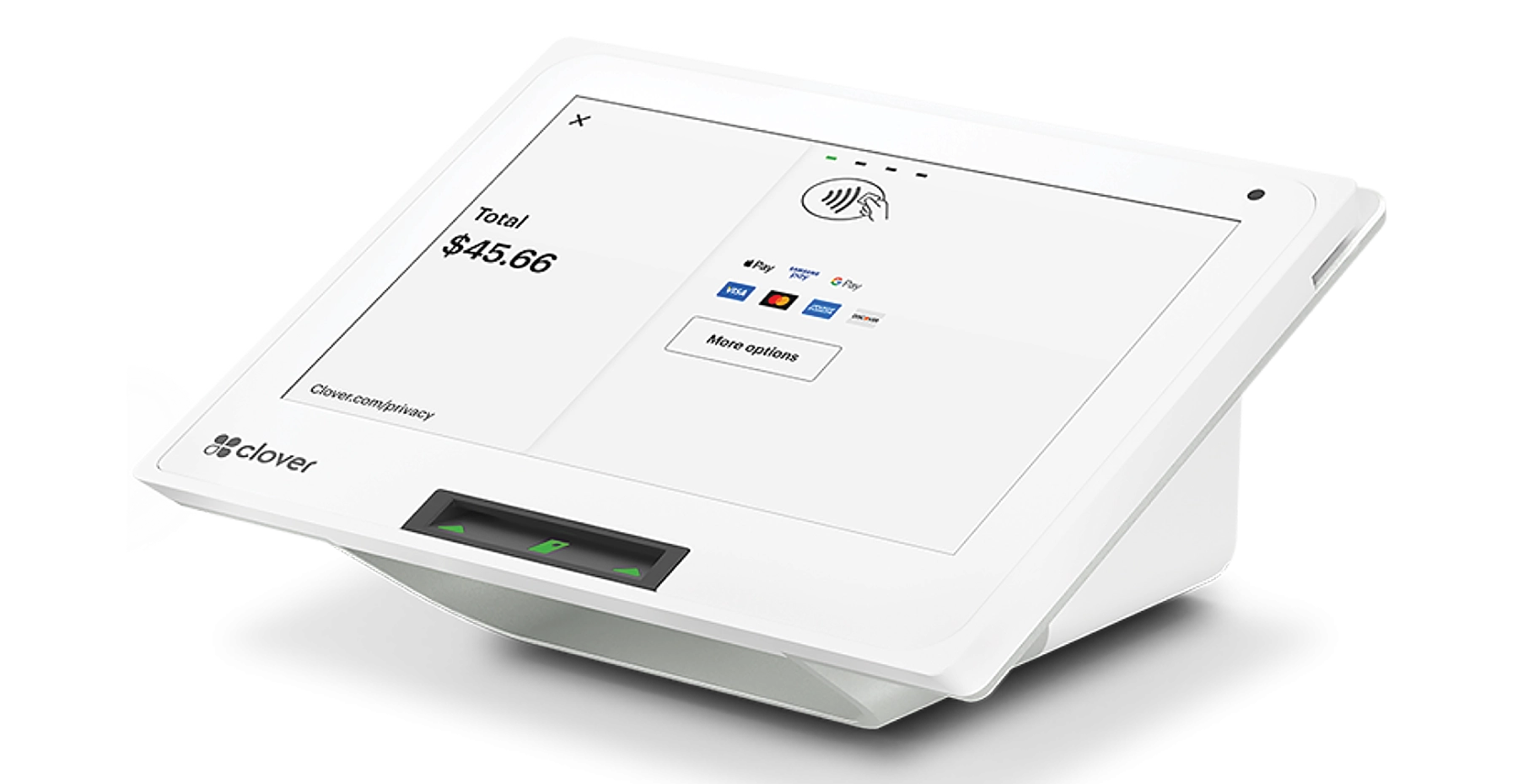
Modern POS systems like Clover accept chip cards, contactless payments, Apple Pay, Google Pay, and more — all from a single device that also manages inventory, employee hours, and reporting. If you’re going to switch payment processors anyway, bundling a hardware upgrade at the same time is often the smartest move.
Reasonable Contract Terms
Month-to-month contracts are the gold standard. They signal that the processor is confident enough in their service to not need to lock you in. If you’re signing a multi-year contract, make sure the ETF is reasonable and the auto-renewal terms are clear.
Why Small Businesses Switch Payment Processors to VMS
Velocity Merchant Services has been helping small businesses accept payments since 1998, and a big part of what they do is help business owners escape bad processor relationships and into something that actually works for them.
When you switch payment processors to VMS, you get transparent pricing, honest conversations about your rates, and a team that’s reachable when you need them. VMS is a certified Clover partner, which means you get access to the full line of Clover POS hardware — from the compact Clover Mini to the versatile Clover Flex for tableside and mobile payments — along with software and support to back it all up.
VMS also makes the transition easy. Their team walks you through the process, helps you evaluate your current contract, and handles the setup so you’re not figuring it out alone. They also offer zero-fee processing through their cash discount program, which can eliminate your processing costs entirely.
If you’ve been sitting on the fence, it’s worth at least having the conversation. The worst outcome is you learn your current deal is actually pretty good. The more likely outcome? You find out you’ve been overpaying, and switching puts real money back in your pocket.
The Bottom Line
Deciding to switch payment processors doesn’t have to be a big production. With a little planning — reviewing your contract, running both accounts during the transition, migrating recurring billing carefully, and training your team on new hardware — you can make a clean, low-stress move that saves you money and gets you better service.
The key is choosing the right partner to switch to. One that’s transparent about pricing, responsive when things come up, and genuinely invested in your business doing well.
Ready to see what switching to VMS could save your business? Get in touch with the VMS team for a free rate review — no pressure, no obligation, just an honest look at what you’re paying versus what you could be paying.