

If you’ve ever visited a store and tried to purchase something, but realized that they only take cash when you get to the register, you know how frustrating the experience can be. While many businesses offer the option to pay with a variety of methods, some companies are still a cash-only business. Many cash-only businesses operate with a straightforward business model, prioritizing immediate liquidity and lower overhead costs. Cash transactions do not require specialized point-of-sale equipment, making them easier for small business owners to set up and operate. As credit cards and other mobile payment options quickly become the norm, consumers have come to expect that businesses will accept whatever payment is most convenient for the customer. Due to these expectations, a cash-only business can come as a shock to these customers and leave them with an inability to pay for whatever product or service they were attempting to buy. While there are some benefits to sticking with a cash-only business, ultimately there are too many advantages of not being cash-only to hold on to the old system.
Why Are Some Businesses Cash-Only?
In today’s digital age, some people might wonder why any company would choose to stick to the traditional method of only accepting cash. Though some companies understand that people will perceive them as not staying up with the times, they still believe that the benefits of a cash-only system outweigh the costs. Some of the most common perceptions that people have about the benefits of cash-only businesses are listed below:
Affordability
Some businesses choose to not allow credit cards due to transaction fees and the effect they have on the bottom line. During a transaction, credit card companies often take a percentage of the purchase price. Some businesses don’t see the fee as worth it, as it will now cost them money to handle transactions. Along with fees, the extra costs of equipment and maintaining a system to process credit cards also discourage some business owners from using a comprehensive payment system. If margins are slim, some businesses choose to maximize their profit margin by refusing all methods of purchase other than cash. Instead of upping their prices to compensate or accepting that they will lose a little bit of money on their sales to pay for the service fees, businesses sometimes decide it’s better not to incorporate alternative payment methods. Cash-only payments help businesses avoid payment processing fees, which is especially important for popular cash-only businesses like food trucks, mom-and-pop restaurants, and laundromats.
The Appearance of Simpler Accounting
As a company considers changing to accepting online, mobile and card forms of payment, they often project that their accounting responsibilities are going to increase and that it will be harder to manage. These businesses may worry that it will be more complicated to track all of the different payment methods. Rather than having to deal with long payment processing times and disputed charges, some businesses try to keep it simple by only having to keep track of cash.
Fewer Security Concerns
There are unique security concerns to card payments that many companies do not want to deal with. These concerns relate to vulnerabilities resulting from processing credit card payments online or in-person that some companies do not want to worry about. Cash-only businesses still have to deal with counterfeit bills and robberies, but some think those situations are easier to prevent than the other payment methods.
Quick Access to Money
An upside for many is that cash can be accessed immediately. Credit card payments can take a few days for companies to be able to access, though following best practices to get your funds fast every time can minimize these delays. For some businesses, they want to have money in hand at the point of purchase, so they prefer customers to use more immediate payment. Particularly attractive to these companies is the certainty that cash brings. While there is a fear of counterfeit bills, this is generally a minimal risk. With money in hand, there’s no reason to worry about future complications. A business owner can immediately deposit the money or use it for the business’ needs. Cash is immediately available for expenses, improving daily cash flow.
Increased Simplicity
Running through all of the reasons that companies choose to go cash-only is the desire to reduce complexity and allow for greater simplicity. Even if businesses know that they would benefit from using payment methods other than cash, they will decide not to do so because they want to keep it simple. They don’t want to take the time and effort to figure out how to incorporate other payment methods into their business. Cash-only businesses often operate with a no frills business model, focusing on essential operations and basic transactions. This operational simplicity means owners do not have to manage chargebacks or complex accounting systems.
Cash tips are especially important in cash-heavy businesses like nail salons, barber shops, and strip clubs, where employees benefit from immediate access to their earnings without processing delays, though strong payment system support can help ensure digital tips and payouts are just as reliable. This is a significant advantage for staff in these service-oriented environments.
Cash businesses and cash based operations, such as laundromats, food trucks, and even auto repair shops, are classic examples of only cash or pay cash environments, though many auto businesses now rely on payment processing solutions for auto shops and dealers. These models are popular among small businesses that value simplicity, immediate funds, and reduced costs.
Why the Cash Only Business Model Harms Small Businesses?
Despite the reasons why some companies choose to go cash-only, this model is ultimately outdated and causes harm to your business. Cash-only businesses may attract fewer customers, as many consumers prefer using credit or debit cards. There’s a reason that cash-only small businesses often run on slim margins. Though a perceived advantage of cash is its positive effect on a company’s bottom line, you’ll be shutting yourself off from growth. Cash-only operations can limit growth due to a smaller customer base preferring digital payments. By opening up your business to more payment options, you’ll be allowing for more customers to engage with your service or products. There are increased costs that come with non-cash payments, but the additional business will have a more positive effect on your margins in the long run.
The biggest problem with sticking to a cash-only model is that it keeps businesses stuck in the past. Instead of expanding on their ability to sell services online and making use of all of the technologies that today has to offer, they stick to a method that is increasingly growing outdated. Ultimately, the negative impact of being a cash-only business is that it does not incentivize growth or send a message to customers that you are keeping up with the times. In the short-term, the disadvantages of the cash-only model may only show themselves in a slightly smaller consumer base or an occasional disgruntled customer who wished they could pay in cash. In the long-term, however, those disgruntled customers will multiply, and the consumer base will grow ever smaller.
Additionally, the average value of a cash transaction was $39 in 2022, compared to $95 for the average digital or credit card transaction, indicating that cash-only businesses may experience smaller sales and underscoring the risk of choosing the wrong credit card processor when they do modernize.
Disadvantages of Being a Cash-Only Business
When you look into how being cash-only negatively affects small businesses, you’ll be able to see how much a company gives up by not updating their ability to collect payment from other sources. While it might seem like a more simple, cost-effective process, in the long run, you’ll be receiving the exact opposite results. The following are reasons why not to be a cash-only small business:
Over Complicated Accounting
While some of the disadvantages of accepting non-cash payments are the increased amount of information you have to keep track of, other complications come with only using cash. You can keep track of a non-cash system like a credit card or online payment service with ease, as you can clear up any payment disputes by searching in your payment system or checking banking statements. Cash can get lost and will require you to track all of the money coming into the business manually. As you enter tax season, it will be much easier to provide accurate data and file your taxes with complete confidence. Cash can become lost or unaccounted for by accident. Unlike cash which you have to add manually, a credit card, for instance, can get loaded automatically into accounting software. This convenience makes for an easy accounting process even if initially seems more complicated.
Average Transaction Lower
When people use cash, they find it harder to part with it. In contrast, when they use a card, they are likely to spend more money at your business. To illustrate this increase in money spent, researchers have shown that consumers spend 120% more on average when they pay with a credit card as compared to cash.
Wastes Time
Once you have your infrastructure set up for accepting non-cash payments, you’ll save a lot of time. For example, when you only accept cash, you’ll need to make trips to the bank to deposit money regularly. Along with taking it to the bank, you’ll need to take the time to enter every transaction into your books manually. With an infrastructure to accept non-cash payments, you will cut down on your trips to the bank, as non-cash methods will automatically deposit into your account. Also, the money automatically gets tracked and entered into your books. Ultimately, cash-only businesses are wasting time that they could spend better elsewhere.
Lose Money
If you only use cash, you’re missing out on a great deal of money. Despite payment process fees, you’ll be able to reach more customers who don’t regularly use cash when they buy products or services. Additionally, you’ll be able to set up an online store if you accept non-cash payments. Having a website where you can sell your products or services is crucial for the growth of your business. To make the website most effective, you’ll need to have processing services that can handle all the different types of non-cash payments that people can use.
Cash Is on the Decline
The percentage of people using cash for their purchases has been consistently going down, according to the Pew Research Center. In 2015, 24% of people said that they did not use cash for any of their purchases. As of 2018, that number has gone up, with 29% of people saying that they don’t use cash for any of their purchases. With these numbers in mind, you could be losing out on almost a third of consumers by only offering cash. The trend of people not using cash for their purchases will likely continue. There are more and more options for people who want to go cashless. Not only can people pay with debit and credit cards, but there are also increasing numbers of ways to pay with your phone through apps and virtual credit cards.
Limit Your Sales
Along with people not carrying cash at all, many people do not carry a significant amount of cash on them at one time. For example, 76% of consumers carry 50 dollars or less on them. On the lowest end, 23% carry 10 dollars or less. This lack of money in people’s wallets significantly limits the number of products they can buy from your store. While a customer will still be able to pay for some of your products, they will not be able to buy as much as they might want to. If you have the option for consumers who didn’t have enough cash to put the rest of their purchase on a credit card, you’ll be able to broaden the potential of individual sales.
Appear Old-Fashioned
Many companies want to put out an image of themselves as being forward-looking. Cash-only businesses project an image that they are living in the past. While cash can have its charms, ultimately, customers want convenience and flexible options that account for debit vs. credit transaction fees. A company that is stuck using traditional methods will not be able to provide the same level of ease that customers have come to expect.
Loss of Data
With non-cash payments, you’ll be able to collect greater amounts of data that would be either impossible to find or would take more time to collect if you only used cash. When someone pays with a credit card, you’ll be able to track how often they pay for your services and what products are bringing in repeat customers. This sort of info can improve your products significantly as you look to the future.
Digital payments also let you easily track the amount of money customers owe to you. Having an infrastructure that sends reminders and helps you quickly access financial information will let you keep track of payments, along with how much is still owed to you, and resources like our merchant services FAQs can help you understand what to expect from your payment processor.
Advantages of Not Being Cash-Only
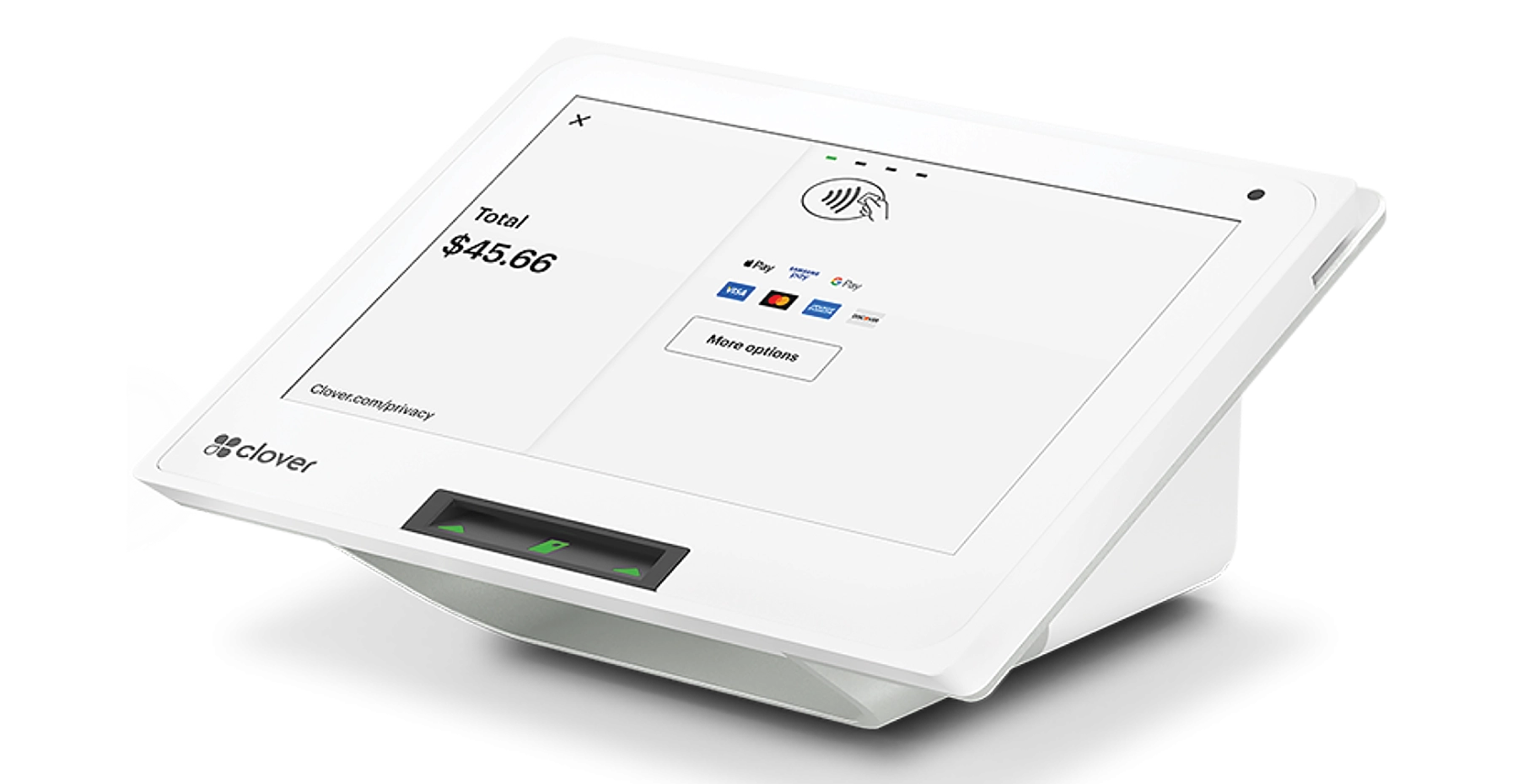
When you switch to a non-cash-only system, you will receive short-term and long-term benefits. Below are some of the many advantages of offering more payment options, especially when you leverage payment processing for small businesses: Boost current sales. Allowing for credit cards will have an immediate impact on the number of sales you can make. Consumers will be able to purchase more when they enter your store. Additionally, with an infrastructure in place to accept payments other than cash, you will be able to open up new venues for people to purchase your products or services, such as on a company website. Convenient for buyers and sellers. Your customers will appreciate the convenience that cards can give them, as it makes it easier for them to pay for products and earn rewards from the credit card provider. Along with being convenient for the buyer, it’ll be easier for the company to track payments, deposit payments and other such activities. Give Your Business Legitimacy. Businesses that don’t use cards are sacrificing some of their legitimacy. Companies who can display that they accept a variety of payments, like cards or mobile payments, or partner with a leading merchant services company, will inspire trust in customers. If a business only uses cash, some customers will automatically believe that the company isn’t as professional or legitimate as others. Companies that don’t want to risk being written off by consumers will choose to accept non-cash payments, and, as a result, gain their customers’ trust.
Tax Considerations for Cash-Only Businesses
Operating as a cash-only business means business owners must be especially diligent when it comes to tax compliance. While cash-only businesses have the same tax liability as any other business, the lack of electronic records can make it more challenging to accurately report all cash transactions. To avoid issues with the IRS, cash-only business owners should prioritize maintaining relevant business records, including detailed logs of daily sales, expenses, and deposits. Efficient cash tracking is essential not only for normal income reporting but also for streamlining the tax filing process.
It’s also important to be aware of specific IRS requirements. For example, only businesses that receive more than $10,000 in cash from a single transaction (or related transactions) must file Form 8300, which requires reporting customer and transaction details. Failing to report large cash transactions can trigger an IRS audit, so consulting with a tax professional is highly recommended. A tax professional can help ensure you’re meeting all tax obligations, taking advantage of available deductions, and maintaining compliance with current regulations. By keeping thorough records and seeking expert advice, cash-only business owners can minimize their audit risk and keep their business running smoothly.
Security Measures and Risks
Handling large volumes of cash puts cash-only businesses at a higher risk for theft, robbery, and internal fraud. Business owners should take proactive steps to protect their business cash and ensure the safety of both employees and customers. Investing in security cameras, alarm systems, and counterfeit detection tools can deter potential thieves and help identify suspicious activity. Regularly balancing cash registers against register tapes is a simple but effective way to catch discrepancies early and prevent employee theft.
Employee training is another crucial security measure. Business owners should conduct background checks on new hires and provide ongoing training on proper cash handling procedures. Teaching staff how to spot suspicious behavior and respond to security threats can make a significant difference in preventing losses. Maintaining detailed records of all cash transactions not only helps with cash tracking but also provides a paper trail in the event of theft or an audit. By prioritizing security, cash-only businesses can reduce their vulnerability and operate with greater peace of mind.
Counterfeit Money Risks
One of the unique challenges for cash-only businesses is the risk of accepting counterfeit money. Unlike electronic payments, cash transactions can expose business owners to significant financial losses if fake bills go undetected. To protect your business, it’s essential to train employees to recognize the security features of genuine currency, such as the Federal Reserve seal, raised printing, and microprinting. Providing staff with counterfeit detection pens and other tools can further reduce the risk of accepting counterfeit money.
Having a clear plan for handling suspected counterfeit bills is also important. Business owners should instruct employees to set aside any questionable bills, report them to management, and notify the authorities as needed. Educating your team about the risks of counterfeit money and the importance of verifying each bill can help safeguard your business’s bottom line. By staying vigilant and proactive, cash-only businesses can minimize the impact of counterfeit currency on their operations.
Managing Cash Flow in a Cash-Only Environment
For cash-only businesses, effective cash flow management is critical to long-term sustainability. Since all revenue comes from cash transactions, business owners need an efficient cash tracking system to monitor daily inflows and outflows. This can be achieved by using a reliable cash register, recording each sale, and reconciling cash at the end of every business day. Maintaining a cash flow forecast helps anticipate upcoming expenses and ensures there are sufficient funds to cover payroll, inventory, and other operational costs.
Setting aside a portion of daily sales as cash reserves can provide a financial cushion for unexpected expenses or slow periods. Business owners should also keep a close eye on market demand, adjusting pricing and inventory levels to maximize sales and maintain steady cash flow. By implementing these strategies and maintaining relevant business records, cash-only businesses can reduce financial risks and build a more sustainable business model. An efficient cash tracking system not only supports daily operations but also helps business owners make informed decisions for future growth.
Paying too much to accept cards?
VMS reviews your current statement free and shows you exactly what you are being charged — most merchants are surprised by what they find.
Or call our team: 888-902-6227
Interested in Moving Away From Being a Cash-Only Business to Accept Credit Card Payments?
If you’re looking to transition from being cash-only to offering multiple kinds of payments, you’ll want to go with a company that has experience implementing processing services. Velocity Merchant Solutions has over 26 years of experience helping businesses grow and offers rewarding careers at Velocity Merchant Services for professionals who want to support small business success. We and can provide the tools your company needs to utilize all of the benefits that accepting more than just cash can bring. To make your transition as seamless as possible, our processing solutions help you process a variety of payments with ease and grow your business as a result. Consider contacting one of our business experts today to speak with them about what Velocity Merchant Services can do for you.
Have questions about payment processing?
Fill out the form below and a VMS payment specialist will contact you shortly.