

Big news just dropped in the world of payments: Mastercard is officially going all-in on stablecoins. One of the biggest and most trusted names in global finance just opened the door for stablecoins to flow from your customers’ wallets straight into your business account — without crypto confusion or blockchain headaches.
Mastercard’s recent $1.8 billion acquisition of a stablecoin infrastructure startup marks a pivotal moment in the evolution of global payments, enabling transactions across more than 130 countries. Mastercard makes significant advancements by acquiring startups, partnering with stablecoin issuers, and integrating blockchain technology into mainstream payments, connecting digital assets to global transaction networks.
So what does this mean for the future of payment processing? Mastercard’s move represents a strategic partnership that accelerates the mainstream adoption of stablecoins in global payments. How does it impact small business owners, especially those using modern POS systems? And should you be excited about it? (The answer is yes.)
Let’s break it down.
Mastercard’s Move: End-to-End Stablecoin Payments
Mastercard announced it will now enable stablecoin transactions across the entire payment journey. This means:
-
Customers can pay with stablecoins directly from their digital wallets
-
Merchants can accept those stablecoins with no friction
-
Mastercard can settle those transactions in either stablecoin or fiat (traditional currency)
-
Users can spend stablecoins at over 150 million merchant locations worldwide, thanks to Mastercard’s partnerships with leading crypto platforms
Mastercard’s payment rails now support seamless conversion and real-time conversion of stablecoins to local currency, enabling stablecoin acceptance for both consumers and merchants. Merchants can now choose to receive stablecoin payments and payouts in their preferred stablecoin, regardless of how the customer pays. Mastercard’s integration of stablecoins also allows for real-time settlement, a significant improvement over the traditional 2-3 day processing time.
Traditional banks, with their legacy infrastructure, often face slow settlement times and high costs for cross-border payments. Stablecoins and Mastercard’s new system are disrupting these legacy banking models by offering faster, more cost-effective solutions.
In other words, this isn’t the clunky crypto acceptance of 2019. This is seamless, fast, secure, and built for the mainstream.
What Are Stablecoins?
Stablecoins are a type of cryptocurrency designed to maintain a steady value, usually pegged to a major currency like the U.S. dollar. One USDC, for example, is always worth one U.S. dollar. As digital currencies, stablecoins offer stability and transparency, and have the potential to disrupt traditional cross-border transactions by making them faster and more efficient.
Stablecoins are a form of digital currency and are part of a broader crypto ecosystem that includes tokenized assets, enabling faster and more efficient payments. This ecosystem supports the integration of stablecoins into mainstream financial systems and bridges traditional and digital finance.
Unlike Bitcoin or Ethereum, which can fluctuate wildly in value, stablecoins are designed for reliability and use in everyday transactions.
The most common stablecoins include:
-
USDC (by Circle)
-
USDT (Tether)
-
DAI (by MakerDAO)
Stablecoin wallets make it easy for users to receive, manage, and spend stablecoin assets, helping drive financial inclusion by expanding access to digital payments for unbanked and underbanked populations. Integration with bank accounts allows users to withdraw and manage stablecoins alongside conventional banking systems, further supporting everyday transactions. Stablecoin-linked cards also provide unbanked populations a way to store value in dollar-denominated assets.
These assets are growing in popularity because they offer the benefits of digital payments without the volatility associated with traditional crypto.
Why Small Business Owners Should Pay Attention
If you run a small business — whether it’s a coffee shop, auto repair, nail salon, or online store — this development matters to you because relying on cash-only payment models increasingly limits growth and customer choice. By 2026, stablecoins are projected to become central to how individuals and businesses transact globally, thanks to seamless integrations with major payment brands. Mastercard’s move not only accelerates mainstream adoption of stablecoins, but also helps onboard new users and makes digital finance more accessible and seamless for both individuals and businesses. Stablecoins and digital assets are becoming integrated into everyday life, enabling routine daily transactions for consumers and businesses alike. Here’s why:
1. More Payment Options Means More Revenue
Today’s customers expect flexibility. Many Gen Z and Millennial consumers already use digital wallets with crypto and stablecoins in them. Giving them the option to pay with those funds increases the chances of closing the sale, especially online.
Mastercard collaborates with crypto platforms like OKX and Kraken to facilitate the direct use of stablecoins, and the OKX Card reflects the impact of OKX’s leadership in mainstream stablecoin payments. This partnership highlights OKX’s innovative role in digital finance by integrating stablecoins and on-chain transactions into daily payments, making digital finance more practical and accessible.
Stablecoin balances held in crypto wallets make it easier for everyday users to pay with digital assets, allowing them to manage, spend, and access their funds securely and conveniently.
According to Pew Research, nearly half of Millennials and Gen Z in the U.S. already own cryptocurrency. When these customers can use their stablecoins at the point of sale, it creates a competitive edge for businesses that support it.
2. Lower Fees Are on the Table
One of the main selling points of blockchain technology is its ability to move money with fewer middlemen. That translates to lower processing fees — and more money staying in your business.
Stablecoins can streamline payments by reducing reliance on legacy systems and minimizing the impact of currency volatility, especially in cross border payments. Integrating stablecoins into payment systems also optimizes the entire value chain, reducing transaction costs and improving the speed of cross-border payments.
While the exact fees will depend on how your processor and POS system handles stablecoins, expect increased pressure on traditional processors to match these new rates.
3. Instant Settlements = Better Cash Flow
Traditional card payments typically settle in one to two business days. Some take even longer over weekends or holidays. With stablecoins, settlement can happen in seconds — any time, any day.
The Multi-Token Network (MTN) supports programmable payments and B2B transactions with stablecoins, enabling real-time, customizable transaction processing for merchants and enterprises. Stablecoin payments also improve cash flow by providing immediate liquidity compared to traditional banking systems.
That means no more waiting for funds to clear. Cash flow stays strong and predictable.
4. Better Global Transactions
For businesses that deal with international customers — even occasionally — stablecoins remove the complexity of currency conversion. A customer in Europe can pay you in stablecoin, and you get dollars. It’s fast, simple, and fee-light.
Mastercard Move enables fast, 24/7 payouts to stablecoin wallets, supporting cross border money movement around the world. Mastercard’s integration of stablecoins bridges the gap between digital assets and traditional commerce, providing comprehensive money movement solutions for businesses.
What About POS Systems?
This is where things get interesting.
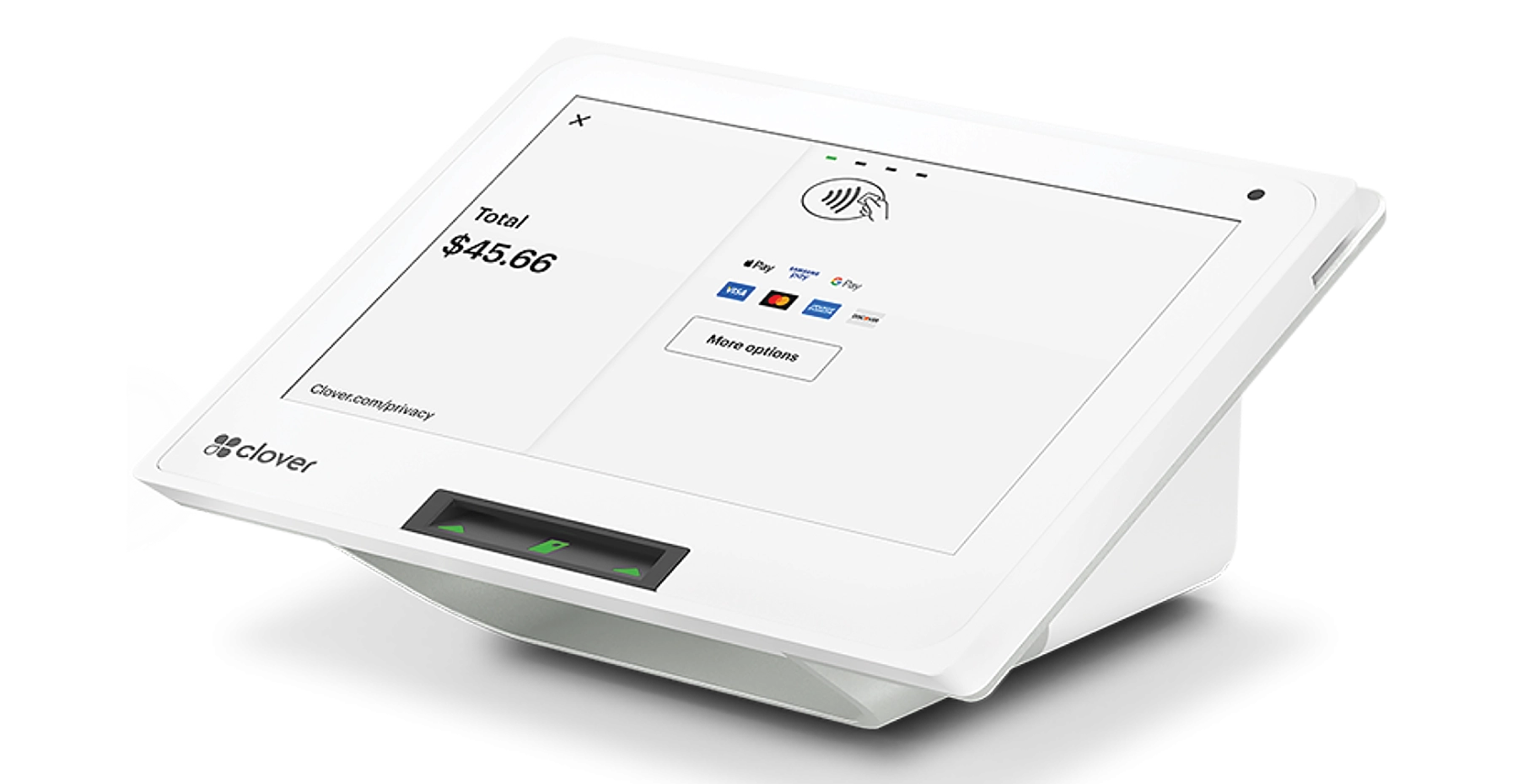
Most traditional POS systems today (like Clover, Square, Lightspeed, Toast) are not yet offering built-in stablecoin support. But Mastercard’s announcement is a clear signal that this is about to change, and understanding what a POS system is and how it works will help you evaluate upcoming stablecoin features.
Integrating stablecoins into payment networks brings new capabilities and payments capabilities to merchants, enabling seamless acceptance and management of stablecoin transactions. Smart contracts and trust layers within these networks enable secure, programmable payments, enhancing reliability and automation. Mastercard’s Crypto Credential ensures secure, compliant, and user-friendly blockchain transactions by verifying user identities and metadata. Cryptocurrency transactions are compliant with regulatory standards and utilize Mastercard’s existing fraud prevention tools, including fraud monitoring and chargeback rights.
Expect to see:
-
“Pay with Crypto” or “Pay with USDC” options at checkout
-
QR code-based payments from digital wallets
-
Real-time conversion of stablecoins to fiat at the point of sale
-
New Clover apps and plugins that support blockchain payments by late 2025 or early 2025
Velocity Merchant Services is already preparing for this shift by monitoring compatible hardware, payment partners, and software integrations. As a leading merchant services provider since 1998, when the tools are ready, we’ll be ready — and so will our merchants.
A Turning Point in Payment Processing
Mastercard’s stablecoin integration isn’t a side project or pilot. It’s a significant step in the rapidly changing world of payments. This is a major sign that digital asset payments are maturing — and are here to stay.
Stablecoin powered payments are bringing real world utility to both consumers and businesses, enabling practical, everyday transactions beyond speculation. Supported by established card networks like Mastercard, these solutions offer the familiarity, trust, and consumer protections—such as fraud protection and dispute resolution—that users expect.
Mastercard’s $1.8 billion acquisition of BVNK enables stablecoin transactions across more than 130 countries, positioning Mastercard at the forefront of blockchain-powered B2B cross-border payments innovations. Additionally, Mastercard partners with firms like MetaMask, Binance, and Circle to issue crypto-linked cards and manage liquidity, allowing consumers to use stablecoins as easily as traditional money at over 150 million merchant locations worldwide.
This isn’t about replacing credit cards. It’s about giving customers more options while making payments faster, smarter, and more efficient for merchants. The ability to choose between fiat and stablecoins at the point of sale will give small businesses new control over how they receive and manage their money.
What Should Business Owners Do Next?
If you’re a small business owner, here’s how to get ahead of the curve and prepare for the future of payment processing:
|
Step |
Action |
|---|---|
|
Stay informed |
Follow your POS provider’s roadmap. Watch for app updates or wallet integrations, especially those supporting stablecoin wallets for easy management and spending of digital assets. |
|
Talk to your payment processor |
Ask if and when they’ll support stablecoin payments, and whether they offer onboarding for users on chain. Inquire about the ability to withdraw stablecoins directly to your bank account or stablecoin wallets for seamless access to funds. |
|
Upgrade POS hardware |
Devices that support QR code scanning or tap-to-pay will likely be first to support stablecoin apps, making it easier for users on chain to transact, so it’s critical to match those capabilities with the right POS hardware and peripherals for your business. |
|
Train your team |
Teach staff how to identify and process new wallet-based payments, including transactions involving stablecoin wallets and withdrawals. |
|
Promote it |
When ready, advertise that you accept stablecoins to attract early adopters and highlight the flexibility of stablecoin wallets and withdrawal options. |
|
Note: Mastercard is collaborating with Nuvei and Circle to enable merchants to receive payments in stablecoins, enhancing the payment ecosystem and expanding payment options for businesses. When integrating stablecoin payments, prioritize ensuring compliance with regulatory standards, referencing frameworks like the Genius Act, to maintain security and regulatory confidence. |
|
Not sure how these changes affect your business?
VMS keeps merchants ahead of card network rules, fee changes, and compliance deadlines — with a specialist who explains what actually matters for your store.
Or call our team: 888-902-6227
Final Thoughts: Get Ready Now, Benefit Later
This isn’t a crypto bubble or tech experiment. This is Mastercard retooling the global payments system to work for a digital-first, mobile-savvy generation, making significant moves in digital finance and digital assets. By enabling new payments capabilities and richer experiences for consumers and businesses, Mastercard is helping bridge traditional finance with the evolving crypto ecosystem.
Through partnerships with leading crypto platforms like MetaMask, Kraken, Binance, and the launch of the OKX Card, Mastercard empowers consumers to earn rewards and spend stablecoins at over 150 million merchant locations worldwide. These collaborations make digital finance more accessible and practical for everyday transactions.
Stablecoins are fast, secure, cost-effective, and already trusted by millions of consumers. Mastercard Move and Stripe’s acquisition are further expanding the crypto ecosystem, facilitating seamless crypto trading and promoting financial inclusion for unbanked and underbanked populations. Stripe’s acquisition, specifically its purchase of Bridge and stablecoin payout capabilities, is a strategic move to enhance its payment services for freelancers and global merchants, positioning Stripe as a direct competitor to Mastercard’s stablecoin payment benefits. When your business is equipped to accept stablecoins, you’ll be aligned with the future of commerce — and ahead of your competition.
If you’re using a modern POS system or planning to upgrade, now is the time to make sure it can adapt quickly to innovations like this. If you’re working with a payment processor like VMS, start asking questions about stablecoin readiness, merchant wallet support, and what’s coming next, and review our merchant services FAQs for small businesses so you know which capabilities to prioritize.
We’ll be watching this space closely — and bringing you updates every step of the way.
**Need help future-proofing your POS system or understanding where stablecoin payments fit into your business?**Reach out to Velocity Merchant Services. We believe in small business — and in building payment solutions that grow with you.
Have questions about these changes?
Fill out the form below and a VMS payment specialist will contact you shortly.