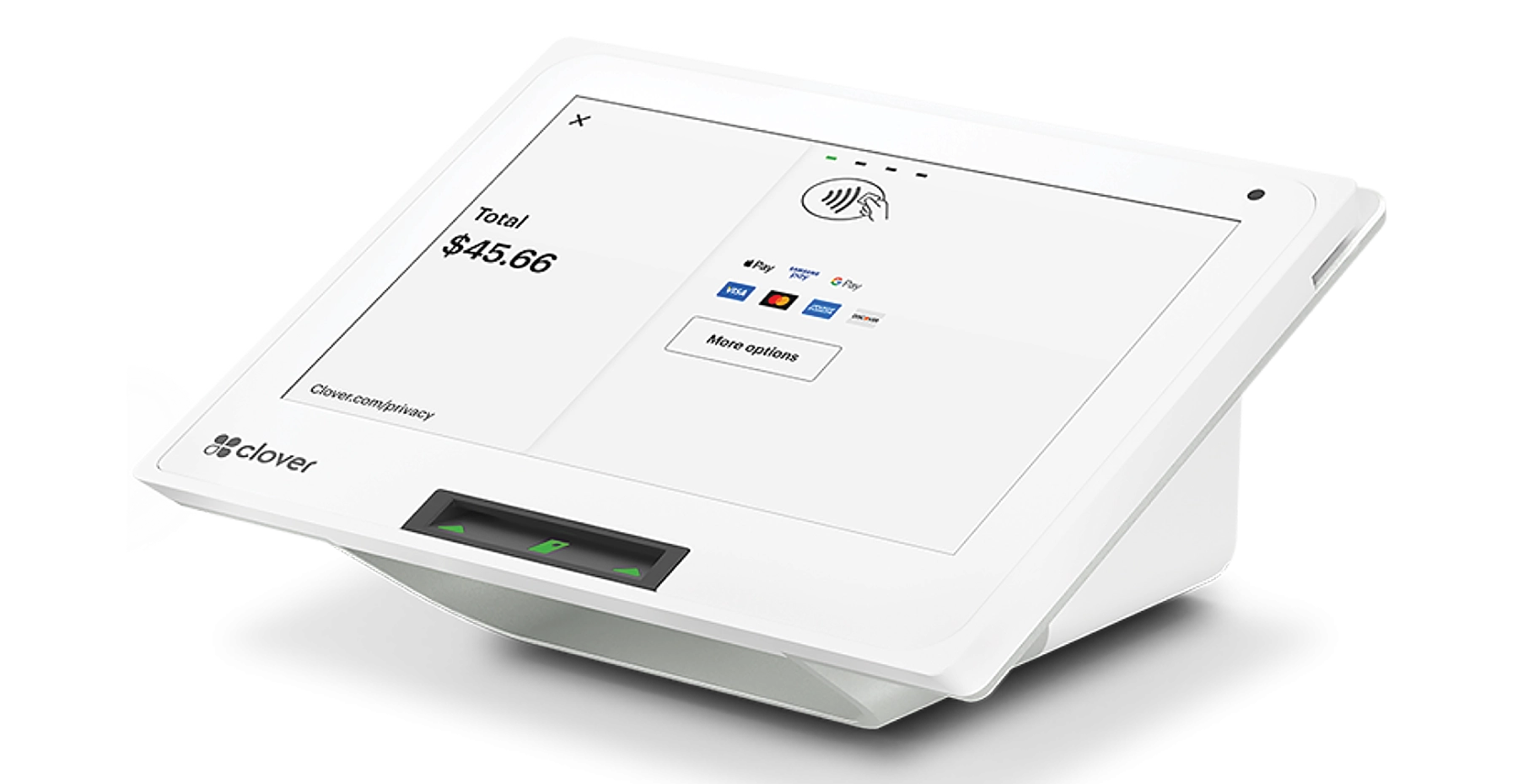


Your customer reaches the front of the line, holds their phone a half-inch from your Android device, and the sale is done — no card reader, no dock, no tangle of cables. That is the everyday reality of Tap to Pay on Android, and for a fast-growing number of small businesses it is quietly retiring the clunky terminal that used to hog the counter. If you already keep an Android phone in your pocket, there is a good chance you are carrying a fully capable payment device and do not even know it.
For years, taking cards on the move meant buying a separate reader, keeping it charged, and praying it paired over Bluetooth before your customer lost patience. Tap to Pay on Android erases that friction. It turns a compatible smartphone or tablet into a contactless payment terminal that accepts tapped credit and debit cards, Apple Pay, Google Pay, and Samsung Wallet — all through the same NFC chip that already lets you tap to unlock a door or board a train. No accessory. No pairing dance. Just tap and go.
This guide breaks down what Tap to Pay on Android actually is, how it works behind the scenes, what it costs, and which businesses squeeze the most value out of it. By the end you will know whether the phone in your hand can start earning its keep at checkout.
What Is Tap to Pay on Android?
Tap to Pay on Android is a “software point of sale” feature — often shortened to softPOS — that lets a merchant accept contactless payments directly on an NFC-enabled Android phone or tablet, with no external hardware required. The device’s built-in near-field communication antenna does the same job a countertop terminal’s reader does: it wakes up when a contactless card or a phone wallet comes within about an inch, reads the encrypted payment token, and hands it to your payment app to authorize.
From the customer’s side, nothing looks new. They tap the card or phone they already use everywhere else, wait for the confirmation chime, and walk away. From your side, the change is dramatic. The bulky terminal, the receipt printer, and the cable clutter all collapse into a screen you were already holding. It is the natural next step after the shift to contactless point-of-sale payments that reshaped checkout over the last few years — except now the reader and the register are the same pocket-sized screen.
It helps to be clear about what Tap to Pay on Android is not. It is not a peer-to-peer app for splitting dinner with friends, and it is not a loophole around having a real merchant account. It is a legitimate acceptance channel that plugs into full payment processing, complete with funding, reporting, and support — the kind of setup you can compare against every other option on our POS devices overview.

How Tap to Pay on Android Works
Four ingredients need to line up before your phone can ring up a sale, and none of them are complicated.
First, you need a compatible Android device — generally a reasonably recent phone or tablet with an NFC antenna and a current operating system. Most Android hardware sold in the last several years qualifies. Second, you need a merchant account and a payment app that supports Tap to Pay on Android; this is where a processor like VMS activates your ability to actually accept and settle funds. Third, NFC has to be switched on in your settings, which for most phones is a one-time toggle. Fourth, your customer brings the last ingredient: a contactless card or a loaded mobile wallet.
When a payment happens, the phone’s NFC reader captures a one-time encrypted token — never the raw card number — and passes it up the same secure rails a traditional terminal uses. The transaction is authorized in a second or two, and your customer gets a digital receipt by text or email. Because the sensitive card data is tokenized and never stored on the device, Tap to Pay on Android meets the same bank-grade security and EMV standards you would expect from countertop hardware. If security questions come up, our merchant services FAQs spell out how card data is protected end to end.
The elegance is in what is missing. There is no firmware to update on a separate gadget, no dead battery in a reader you forgot to charge, and no “please wait, connecting” spinner while a customer taps their foot. The register lives on a device you already maintain.
Why Tap to Pay on Android Is Worth It
The case for Tap to Pay on Android comes down to three things owners care about: cost, speed, and freedom.
Cost. Skipping a dedicated reader removes an upfront expense and a recurring point of failure. You are not buying, insuring, or replacing extra hardware. And because you are still running real card processing, you can pair the phone with cost-control programs like Zero Fee Processing, which passes the processing cost to customers who choose to pay by card so more of every sale stays with you. Understanding your rate matters just as much as the hardware — it is worth reviewing how credit card processing fees are structured before you sign anything.
Speed. A tap clears in roughly a second, faster than dipping a chip and far faster than counting change. During a lunch rush or a festival crowd, seconds per transaction add up to shorter lines and more sales per hour.
Freedom. The register goes wherever you go — the sidewalk, the trade-show booth, the customer’s driveway, table twelve. That mobility is exactly why so many businesses have leaned into mobile payment processing as a core part of how they operate, not just a backup.
The numbers back up the shift. According to the Federal Reserve’s 2024 Diary of Consumer Payment Choice, U.S. consumers made an average of 11 mobile phone payments per month in 2024 — nearly triple the 4 per month they made in 2018. Over the same stretch, cash slipped to just 14% of all payments, while credit and debit cards together made up 65%. Your customers have already moved to tapping. Tap to Pay on Android simply lets you meet them there without buying a thing.
There is a quieter benefit, too: it makes a small operation look polished. A vendor who taps a phone and texts a receipt reads as modern and trustworthy, while one who says “cash only” or fumbles with a paper carbon slip plants a seed of doubt. In a world where a shopper can walk twenty feet to a competitor who takes a tap, the ability to close the sale smoothly — anywhere, in seconds — is not a luxury. It is table stakes for keeping the money you have already earned.
Ready to turn the phone in your pocket into a payment terminal?
VMS activates Tap to Pay on Android on your account, matches you with fair, transparent pricing, and adds backup hardware if you want it — usually in days, not weeks.
Or call our team: 888-902-6227
Which Businesses Win Most with Tap to Pay on Android

Almost any business that takes payments in person can benefit, but a few gain an outsized edge.
Mobile and market vendors. Food trucks, farmers-market booths, and pop-up shops live and die by mobility. A phone that doubles as a terminal means one less thing to pack, charge, and lose. When the whole business fits in a van, the register should too.
Field and home-service pros. Contractors, cleaners, mobile groomers, and repair techs can collect payment on the spot the moment the job is done, instead of mailing an invoice and waiting weeks. Getting paid at the curb beats chasing a check every time.
Retail line-busting. When a queue snakes toward the door, an associate can step out with a phone and check people out on the floor. It is a simple fix that keeps retail customers from abandoning a full cart out of impatience.
Restaurants and cafes. Servers can settle the bill tableside with a tap, which speeds turns and tends to lift tips. The customer never surrenders their card, which they appreciate.
If you have been eyeing the iPhone version of this feature, it is worth knowing the concept is nearly identical across platforms — our breakdown of Tap to Pay on iPhone covers the same idea for Apple hardware, so a mixed-device team can standardize on whichever phones they already carry.
Tap to Pay on Android vs. a Traditional Terminal
It is fair to ask how tapping on a phone stacks up against the countertop terminal or standalone reader you may already use. The honest answer: for contactless sales, the phone usually wins on cost and flexibility, while dedicated hardware still earns its place for a few specific jobs.
A traditional terminal shines when you need a printed receipt on the spot, a physical keypad for PIN debit, or a fixed station that never leaves the counter. It is also the right call for high-volume, chip-heavy environments where a purpose-built device simply feels sturdier through a ten-hour shift. What it costs you is money and mobility — you buy or lease the box, you tether it to one spot, and you replace it when it eventually fails.
Tap to Pay on Android flips that trade-off. There is no separate device to purchase, nothing to charge overnight, and nothing to leave behind when you head to a job site or a market. Software updates arrive the way every other app update does. The main limit is practical: the phone accepts contactless taps, not chip-inserts or magnetic swipes, so a customer with an older, non-contactless card will need another option. For most modern shops that is a rare edge case rather than a daily obstacle. The smartest setups do not pick one or the other — they run Tap to Pay on Android as the everyday register and keep one compact reader in a drawer for the exceptions.
Getting Started with Tap to Pay on Android
Turning your phone into a terminal is refreshingly quick, but a few smart moves will save you headaches.
Confirm compatibility. Check that your Android phone or tablet has NFC and a supported operating system. Most modern devices pass, but it is worth a two-minute check before you plan a launch around it.
Get a real merchant account, not just an app. Some standalone apps promise instant setup but bury you in flat-rate pricing that quietly costs more as you grow. A proper account through VMS gives you transparent rates, faster funding, and a human to call when something goes sideways. If cash flow between deposits is tight, options like working capital can bridge the gap while you scale.
Consider a hybrid setup. Tap to Pay on Android is brilliant for contactless, but you will still meet the occasional customer holding a chip-only card or wanting a printed receipt. Pairing the phone with a compact device like the Clover Go reader or a handheld Clover Flex covers those moments without hauling a full terminal. Many owners use the phone as their everyday register and keep a Clover device as the backup that handles the edge cases.
Watch the rate. The convenience is only a win if the processing cost is fair. Ask exactly what each transaction will cost, whether there are monthly minimums, and how quickly funds land in your account.
Train your team and go live. Once your account is active, walk your staff through a handful of practice taps so the flow feels natural before a real customer is standing at the counter. Decide who carries the phone during a rush, how you will send digital receipts, and where the backup device lives. A ten-minute dry run turns an unfamiliar tool into second nature by day one, and it prevents the awkward fumbling that makes customers wonder whether their payment actually went through.
Tap to Pay on Android is not a gimmick or a stopgap — it is a genuine, secure, bank-grade way to accept the contactless payments your customers already prefer, using a device you already own. For a small business watching every dollar and every minute, that combination is hard to beat. VMS can activate Tap to Pay on Android on your account, match you with the right pricing, and set you up with backup hardware if you want it — so you can start tapping instead of shopping for readers.
Ready to turn the phone in your pocket into your fastest checkout yet? Our team can have you up and running in short order.
Have questions about Tap to Pay on Android?
Fill out the form below and a VMS payment specialist will contact you shortly.