
Every spring, millions of Americans check their bank account and see a beautiful thing: their tax refund has arrived. Whether it’s a few hundred bucks or a few thousand, getting that refund feels like a mini lottery win. But here’s the truth:
A tax refund isn’t free money. A tax refund is a reimbursement to taxpayers who have overpaid their taxes, often because employers withheld too much from their paychecks. Most employers are required to withhold income taxes each time they pay their employees, and these withheld taxes are sent to the IRS based on withholding tables and the information provided on the employee’s W-4 form. The U.S. Treasury estimates that nearly three-fourths of taxpayers are over-withheld, resulting in a tax refund for millions. Overpaying taxes is like giving the government an interest-free loan, so adjusting your withholding can help you avoid large refunds. You can also receive a refund through refundable credits like the Earned Income Tax Credit (EITC) or Child Tax Credit (CTC). Receiving a tax refund does not reflect the total amount of taxes you paid—refer to your Form 1040 for that information. Direct deposit is the most secure and fastest way to receive your tax refund.
Still, no judgment—we love a good refund moment just as much as the next person. And the real question isn’t whether you deserve to treat yourself (spoiler: you do)… it’s how to make sure that money actually helps you in the long run.
In this guide, we’ll break down smart, realistic things you can do with your refund—no financial degree required.
How Much Are People Getting Back in 2026?
The IRS reports the average tax refund in 2025 is hovering around $3,200, but many people get much more or less depending on income, dependents, deductions, and changes in federal policies like the Child Tax Credit or EITC.
So whether you’re getting $500 or $5,000, the steps below will help you make the most of it.
Avoiding Common Mistakes with Your Tax Refund
Let’s face it—tax season can be confusing, and even the smallest slip-up can slow down your refund. If you want to see that refund amount hit your bank account quickly, it pays to avoid the most common mistakes that trip people up every year.
First, always double-check your Social Security number, filing status, and the exact refund amount you entered on your tax return. A single digit off or a mismatched number can cause the IRS to flag your return for review, delaying your refund processing by weeks. If you’re claiming the additional child tax credit, make sure you’ve filled out the form correctly so you receive the exact refund you’re eligible for.
When you e-file your state returns, take a few extra minutes to review all the details. Errors here can lead to corrections and slow down your refund status updates. Compare the refund amount you expect with what’s on your federal return to catch any discrepancies before you file.
Opting for direct deposit is one of the fastest ways to receive your refund. It’s more secure than mail and helps you avoid delays—plus, you can track your refund status online using the IRS tool. Just have your tax year, Social Security number, and exact refund amount handy when you check your status. If you’ve filed amended returns, remember that these take longer to process, so patience is key—and if you accept cards in your business, understanding merchant services FAQs for small businesses can also help you plan your cash flow.
To keep things moving, make sure your tax return is complete and submitted on time. E-filed state returns are usually processed faster than those sent by mail, so go digital if you can. The IRS will provide updated information on your refund status, and most people can expect to receive their refund within a few weeks of filing.
If you have questions related to your refund or run into a delay, don’t hesitate to speak with an IRS representative or use the online tool to track your return. Staying proactive and reviewing your details carefully will help you avoid common pitfalls, learn more about the process, and get your refund as quickly as possible—no matter which state you call home.
1. Build or Boost Your Emergency Fund
Before you upgrade your TV or book that Cancun getaway, take a minute to breathe and look at your safety net.
-
Goal: Save at least 3–6 months of living expenses.
-
Why: Life throws curveballs. Job loss, car trouble, medical bills—having a cushion means you won’t go into credit card debt when life hits hard.
-
How: Deposit your refund in a high-yield savings account (like Ally, Discover, or Capital One) that earns more than a standard checking account.
Even just $500 can cover a car repair or two weeks of groceries. That’s peace of mind you can’t put a price on.
2. Pay Off High-Interest Debt
If you’ve got a credit card with a 25% APR… yeah, it’s time to make that thing cry.
-
Start with your highest interest balances.
-
If your refund doesn’t cover the full balance, make a large lump-sum payment—it’ll knock down your principal and reduce future interest charges.
Bonus tip:
Ask your credit card company if they’ll lower your APR after a big payment. Some will!
3. Invest in Your Skills or Career
Your refund could be the ticket to your next raise or side hustle.
-
Take a course: Learn coding, graphic design, bookkeeping, or even how to become a certified tax preparer (ironically helpful).
-
Get certified: Many industries reward certifications like Google Ads, ServSafe, or real estate licenses.
-
Buy gear: Tools, a laptop, a camera—whatever helps you level up your work.
The goal here isn’t just “spending”—it’s investing in your ability to earn more later.
4. Make Small-but-Mighty Home Upgrades
Homeowner or renter, there are small upgrades that make life better and even boost your property’s value.
-
Energy-efficient appliances lower utility bills (some come with tax credits too!)
-
Smart thermostats like Nest can cut energy use
-
A fresh coat of paint = instant value bump and mental refresh
-
Fix that leaky sink you’ve ignored for 8 months
Even if you rent, small upgrades like new lighting, shelving, or a standing desk can upgrade your everyday life without needing a renovation loan.
5. Invest in Your Kids (or Future Kids)
Tax refunds are a great way to jumpstart or bulk up your child’s future fund.
-
Start or add to a 529 plan (a college savings account with tax-free growth)
-
Open a savings account in their name (great teaching opportunity too!)
-
Pay for enrichment like summer camp, tutoring, or sports
Even $250 invested today in a 529 plan can grow to $1,000+ by the time your child turns 18.
6. Start a Small Investment Portfolio
You don’t need thousands to start investing. Apps like RobinhoodFidelity, Public, or Acorns let you get started with as little as $5.
-
ETFs (Exchange Traded Funds) are a great beginner-friendly choice—they spread your risk and follow the market
-
Index funds like the S&P 500 are historically strong long-term investments
-
Set up automatic contributions from your checking to keep building your portfolio
Even if you start with $100, you’re doing more than 40% of Americans who haven’t invested at all.
7. Treat Yourself—Responsibly
OK, let’s be real: it’s okay to enjoy some of your refund. Money is a tool, not a prison sentence.
The trick? Set a percentage of your refund to spend guilt-free. We recommend the 80/20 rule:
-
80% = savings, debt, investing
-
20% = YOLO
That $3,000 refund? Go ahead and spend $600 on concert tickets, a spa day, or a weekend trip. Just don’t let the other $2,400 disappear into DoorDash.
8. Start (or Grow) Your Small Business
Thinking of turning your side hustle into a legit business? Your refund could be your launch fund.
Ideas for how to use it—especially if you’re inspired by real small business success stories:
-
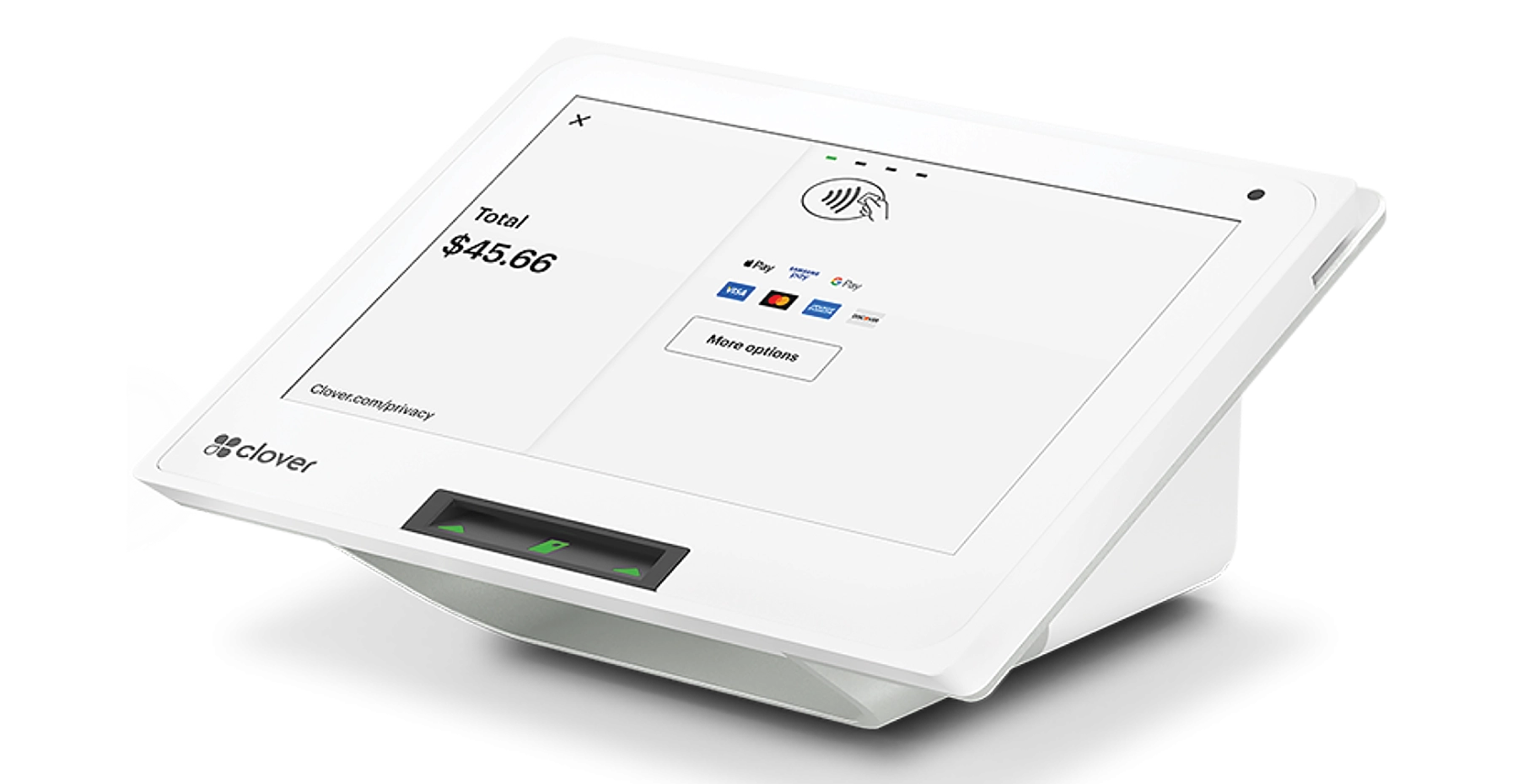
Buy a Clover POS system and avoid the traps of many so-called free POS system offers for small businesses to sell your products or services
-
Create a website or online store and build your online presence
-
Register your LLC
-
Stock up on inventory or packaging and make sure you have reliable 24/7 support for your Clover POS setup
-
Run a small ad campaign on Instagram or Google or try free and low-cost marketing ideas for small businesses
Need help? That’s what we do at Velocity Merchant Services—we help small businesses accept payments with reliable payment processing solutions, build websites, and get the gear they need to get started.
9. Improve Your Health or Well-being
Don’t sleep on the power of investing in your own physical and mental health.
Ideas include:
-
Therapy sessions (yes, it’s worth it)
-
Gym memberships or personal training
-
A new mattress or standing desk
-
Meditation apps or wellness retreats
-
Healthy food delivery subscriptions
Your health is the foundation of everything else—treat it like it matters.
10. Get Organized for Next Year’s Taxes
File this under “boring but powerful.”
-
Buy a folder or cloud service to store receipts and tax docs throughout the year, and if you’re comparing tools for taking payments, it’s worth looking at how VMS stacks up vs. Square for small businesses
-
Hire a tax pro to review this year’s return and set up better deductions
-
Use a bit of your refund to start quarterly payments if you’re self-employed
-
Sign up for bookkeeping software if you run a small business and want to stay on top of taxes
Smart planning now = bigger refund (or smaller bill) next year.
Final Thoughts: It’s Your Money—Make It Work for You
There’s no one-size-fits-all answer to what you should do with your tax refund. But if there’s one takeaway from all of this, it’s this:
A tax refund isn’t an excuse to splurge—it’s a chance to build something.
Whether that’s peace of mind, a business, or just a little less debt, you get to decide what matters most.
And if you’re a small business owner—or dreaming of becoming one—Velocity Merchant Services is here to help with merchant services and business solutions for small businesses.
For more insights like this, keep up with the VMS blog—where small business meets big tech without the fluff.