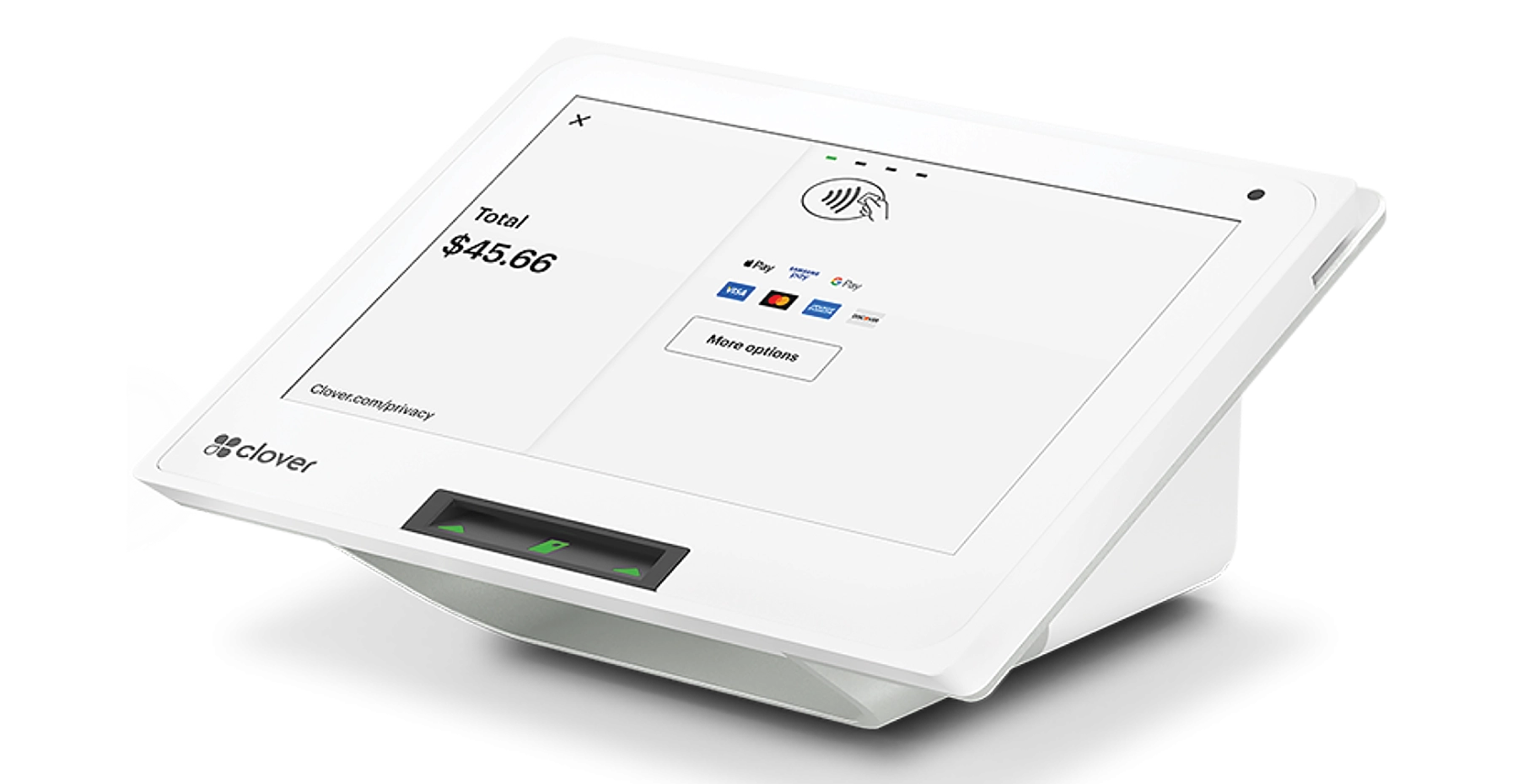

A merchant that accepts EBT or SNAP point of sale purchases can help give their customers more options to pay. But beyond the benefit to the customer, there are many benefits to becoming an EBT/SNAP retailer. You’ll have to be approved and accepted into the U.S. Department of Agriculture’s Food and Nutrition Service (USDA FNS). Once you’re accepted you’ll be able to install EBT and SNAP processing equipment that will enable you to accept food stamps at the point of sale, and you will be able to accept SNAP benefits as part of your payment options. It’s the FNS that accepts qualified stores and retailers into the program. Only authorized stores that meet specific criteria are allowed to participate in the SNAP program. You won’t be able to accept EBT payments unless you are admitted after a lengthy approval process. Certain partners, such as the experts here at Velocity Merchant Services, can help you before, during and after the application process, allowing you to focus more on your business rather than the technicalities of the EBT retailer application process. Here are some tips for navigating the EBT retailer application process and maintaining compliance.
However, even if you’ve been admitted as an EBT/SNAP retailer, you must follow the rules to maintain your standing. If you fail to follow the program rules, you will no longer be able to accept SNAP or EBT transactions. You might just get a warning, but repeat offenders can be disqualified from accepting EBT payments altogether.
Introduction to EBT Retailers
EBT retailers are essential partners in the Supplemental Nutrition Assistance Program (SNAP), helping families access nutritious food by accepting Electronic Benefit Transfer (EBT) payments. For grocery store owners and small business retailers, becoming an authorized EBT retailer means meeting specific requirements set by the USDA Food and Nutrition Service (FNS). These requirements include stocking staple foods in four key categories: dairy products, fruits and vegetables, bread and cereals, and meat, poultry, and fish.
The EBT retailer application process involves submitting detailed information through the USDA FNS website, including store licenses and inventory records, to show compliance with program rules. Store owners must also maintain proper inventory, ensuring at least three stocking units of each staple food item are available, and must not charge sales tax on EBT-eligible food items.
By accepting EBT payments, retailers can increase sales and attract a wider customer base, especially among low-income households who depend on SNAP benefits for their food purchases. This not only boosts business revenue but also builds customer loyalty and increases foot traffic, supporting both the local economy and families in need. Following the program rules and maintaining authorization ensures that your store continues to provide this valuable nutrition service to the community.
EBT and SNAP Point of Sale Benefits
You may already have EBT card-carrying participants that shop at your stores. Offering them another way to pay can help increase your revenue. Accepting EBT and SNAP payments allows customers to purchase essential groceries, such as bread, milk, fruits, and vegetables, which can further boost your store sales and clarify how stores get paid for food stamps through these transactions.
Just like other types of card transactions where funds are approved and held for an amount of time before being deposited into your account, EBT and SNAP point of sale payments work in much the same way. Simply allow the customer to swipe their EBT card and your EBT and SNAP processing equipment will do the rest. The money will be deposited into your account within two business days. This can help benefit your store while also providing a discreet option to customers that have federal assistance benefits to spend.
What is the Difference Between EBT and SNAP?
They’re often used interchangeably, but EBT and SNAP are technically not one and the same. SNAP is an acronym for the government’s Supplemental Nutrition Assistance Program, which helps participating individuals purchase food. The program used to be called food stamps, which were paper coupons used to purchase food at qualifying retailers years ago.
EBT stands for Electronic Benefits Transfer and is not a cash assistance program, and retailers must meet specific EBT qualifications to accept benefits. Instead, funds are loaded on the card — such as SNAP benefits — and the individual can then use their EBT card to purchase goods. The benefit for customers is that they are able to use a card like the majority of buyers that are purchasing items outright. If they happen to be at a store that accepts EBT payments, they can conveniently use their EBT card.
By accepting EBT cards, your business benefits by allowing you to reach a wider range of customers. It also increases the ability of your customers to pay you via different payment methods. This increases cash flow and reduces wait time during checkout. The best part is that as word spreads, you’ll get even more customers that have EBT funds to spend.
EBT and SNAP Store Eligibility Requirements
Businesses that have been approved as an EBT/SNAP retailer can start to realize the benefits of accepting EBT and SNAP point of sale transactions immediately, and understanding how to become an EBT retailer is the first step. If you’re not already an EBT/SNAP retailer, you’ll need to meet certain requirements and apply via the USDA’s FNS program. Farmers markets can also become eligible to accept SNAP benefits if they meet the USDA FNS requirements. You’ll also have to apply separately for each business, though chains with more than 10 businesses have a slightly different process. Keep in mind that you can’t take over someone else’s SNAP permit, even if you buy their business, because the permit is required to be in the names of the managers and partners of the business.
What Are the Requirements?
One requirement for businesses is you’ll have to sell a variety of food staples in four different categories, and meeting the detailed EBT stocking requirements is essential for approval. That includes dairy products; breads, grains and cereals; fruits and vegetables; and meat, fish and poultry. Note that the foods you sell can be fresh, frozen or canned, though you must stock perishable foods in at least two of the four categories.
Alternatively, you can obtain a SNAP permit if at least half or more of your gross retail sales comes from the sale of one or more staple foods in the four main types, and you’ll also need specific POS equipment for EBT retailers to process those transactions.
That said, your business may be able to qualify for EBT or SNAP point of sale transactions even without meeting the requirements above if your store is in an area where SNAP consumers have limited access to food. This level of eligibility is known as “need for access.”
Another eligibility consideration includes restaurants that sell at least 50 percent hot or cold foods that are for immediate consumption. However, note that most restaurants are not able to accept EBT or SNAP point of sale transactions.
The final eligibility consideration has to do with multiple businesses at the same location. These are known as co-location businesses and the FNS may treat them as one entity when determining eligibility.
Expanding Customer Base
Accepting SNAP payments is one of the most effective ways for retailers to expand their customer base and increase sales. By welcoming SNAP benefits, grocery stores, gas stations, and convenience stores can attract a wider range of customers, and EBT for gas stations and convenience stores is an especially powerful way to reach those who rely on government assistance for their food purchases. SNAP customers often become loyal shoppers, returning to stores that accept their benefits and sharing positive experiences with others in their community.
To qualify for SNAP authorization, retailers must meet certain requirements, such as selling staple foods in four categories or ensuring that at least 50% of their gross retail sales come from eligible food items. The USDA FNS offers guidance and resources to help store owners navigate the application process and stay compliant with program rules, making it easier to start accepting SNAP payments.
By accepting SNAP, retailers not only increase sales but also improve access to fresh and nutritious food for families in their communities, especially in areas where grocery options are limited. This commitment to serving a broader customer base helps build a positive reputation, fosters customer loyalty, and supports the overall well-being of the neighborhood. Accepting SNAP payments is a smart business move that benefits both retailers and the communities they serve.
Following the Food Stamp Point of Sale Rules
Once you’re an EBT/SNAP retailer, follow the EBT program rules to remain in good standing. That means only accepting SNAP/EBT payments for eligible food items, and not charging sales tax on EBT-eligible items. Furthermore, SNAP payments cannot be used for items that were purchased in the past. This include credit accounts or former debts. Maintaining compliance and providing reliable service can help build a base of loyal customers who trust your store for their essential food purchases.
Contact the EBT experts at Velocity Merchant Services. We’ll help you complete the application or get EBT/SNAP equipment, so that you can focus on growing your business.