
Let’s face it, no one enjoys shopping for a new credit card processor or merchant services provider. All the rates, the fees, the equipment, the “we’re better than the other guys” can get frustrating rather quickly. It’s overwhelming, it’s confusing, it takes time that you may not have, and it’s another expense that is part of running a company. On top of all of this, you may be getting 15-20 calls per week about accepting credit cards at your business by 15-20 different agents or sales offices telling you why you should choose their products or services.
Asking key questions is essential to cut through the confusion and identify the best merchant services for your business. For potential clients, understanding processing costs, common fees like interchange and chargeback fees, and being aware of hidden fees is crucial to making informed decisions and avoiding unexpected expenses.
1. How do/will my customers pay me at our location?
Thinking about what you sell and how you sell it; there are a few different ways for a customer to pay you, and to understand what works best for your business is key. It’s important to evaluate your current payment system and current system to ensure they meet your business needs, support digital wallets, and integrate with e-commerce platforms. In today’s consumer savvy marketplace, you’ll need a point of sale solution that accepts multiple payment types, including; credit and debit cards with EMV smart chips in them, mobile payments (Apple Pay, Android Pay, Google Wallet), cash of course and even checks.
Identifying your current payment acceptance methods—whether you operate as a brick-and-mortar, mobile, or e-commerce business—helps determine the tailored solutions and payment solution that best fit your business needs.
2. How will I be connected to accept payments?
Credit card processing systems can run off of your smartphone, a landline (though you’ll probably want to have a designated line just for this), off ethernet or by WIFI. Some run or recharge off of electricity; some will use a charging station or battery. You need to know what will be consistently available to you so that the equipment will be compatible with it and your service will always be ready when you need it. For example; if you have a food truck, it might be a little tough to add another plug to the generator, so battery powered may be best.
As your business grows, your payment processing system should be able to handle higher transaction volumes. Be sure to ask your provider how they manage large transaction volumes to ensure the system can scale effectively with your business.
3. What type of payment equipment or software is best for me?
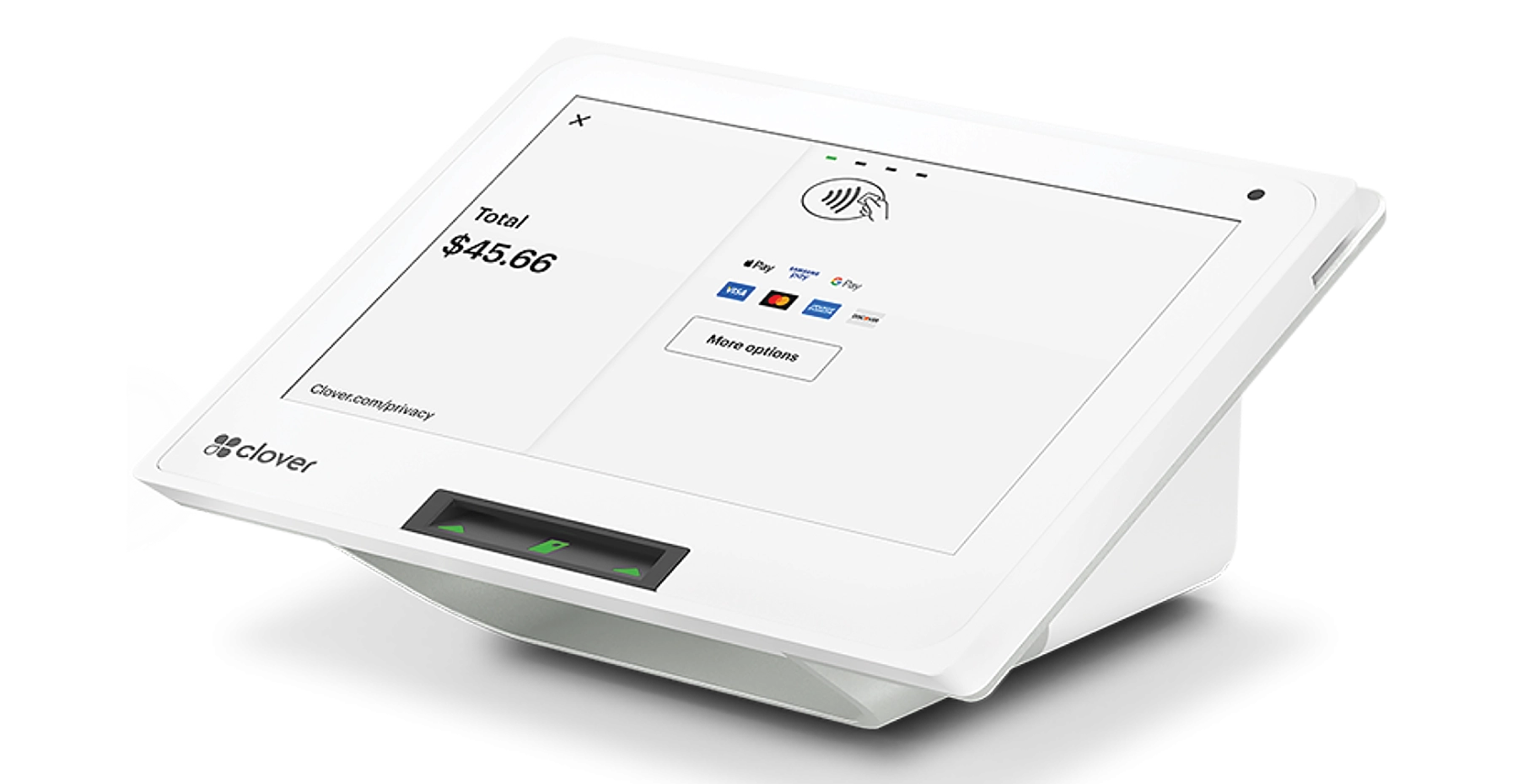
POS Solutions come in countertop and mobile versions (EMV terminals), and in different shapes and sizes. Some small, and micro merchants even prefer to run transactions off of their phone or laptop with a combination of a mobile card reader and software (or smartphone application like Square, PayAnywhere, or other mobile solutions). There are also smart POS systems that handle secure and compliant credit card processing as well as inventory management, employee scheduling, accounting and customer loyalty.
Small businesses should carefully evaluate their options to find the best solution for their specific needs. Understanding your budget for upgrading your payment system and distinguishing between must-haves and nice-to-haves is important when selecting equipment or software. In the end, it comes down to how your business operates, how much space you have and how efficient you would like to be.
4. Are free machines are a bad thing?
This question is one of our favorites. Ask yourself this; are free credit card terminals really free? Think about it for a minute; if you were giving away (expensive) goods/services to your customers, you’d need to make the money up somewhere right? Well, so do credit card processing companies. And it’ll show up hidden in your monthly fees, your rates or as a creatively named charge somewhere on your statement.
Hidden costs and hidden fees are often buried in contracts, especially with processors that use discount pricing or tiered pricing models. These models are known for charging hidden fees and sometimes using deceptive sales tactics to attract merchants, which is why understanding credit card fees and what makes a good deal and how tiered vs. interchange pricing models work is so important. Common fees, such as interchange fees, chargeback fees, and international fees, may also be disguised as part of these hidden costs, making it crucial to review all terms carefully before signing up.
5. Should I buy used equipment to save money?
Saving money now may cost you later. A lot of payment equipment these days is locked to a specific processor. When you buy someone else’s equipment, there is no guarantee that your new processor will be able to access it or that it’s even working correctly. You won’t know that until you try to use it yourself, by which time you’ve spent the money and might have to buy it all over again. New equipment guarantees you a warranty and some processors even offer free receipt paper for the life of your account.
6. Who should I work with, my bank or a direct processor?
Direct processors (who are calling you all the time) are most likely less expensive than your bank. Understanding how debit and credit card transactions differ in terms of fees can also help you decide whether to work with a bank or a third-party processor; debit vs. credit transaction fees directly affect your costs. Aside from pricing, selecting a credit card processing company known for excellent customer service and efficient technical support is crucial. A reliable payment processor should offer 24/7 customer support through phone, email, and live chat to address issues promptly and minimize revenue loss during business interruptions. Make sure that there is a direct line of communication with a customer support staff who can help you promptly, should there ever be an issue. Working with a trusted advisor who prioritizes your business needs and builds a long-term relationship can also make a significant difference. Doing this will mean you’re not dealing with an independent agent who might be here today and gone tomorrow. Always check out the company’s reputation by all means – but keep things in perspective. While complaints seem like a big red flag, it’s the percentage of satisfied customers that matters. You can’t please all of the people all of the time and neither can they.
7. How do I feel about my sales consultant?
While it’s great to like them, it’s more important that you trust them. If they are willing to say that they don’t know something but will get you the answer, or if they do what they say they were going to when they said they’d do it – you’re off to a good start. And telling you unpleasant truths is probably the best sign of all. If they put your needs first, ahead of their paycheck, you have a winner.
A good sales consultant will also help you, as potential clients, identify all additional stakeholders involved in the decision-making process to ensure everyone is engaged from the beginning and steer you away from credit card processors to avoid that rely on hidden fees or poor support.
8. What if I need help, will I be able to speak with a real human?
Customer service matters. You need to be able to reach your processor outside of standard business hours. Excellent customer service, including reliable 24/7 support, directly contributes to customer satisfaction and loyalty by ensuring smooth payment processing and quickly addressing any concerns, especially when you rely on a point-of-sale credit card processing system that runs your day-to-day transactions. Your processor should provide resources and tools for self-troubleshooting, such as terminal guides and online support articles, to help you resolve issues efficiently. Additionally, a good payment processor will assign an activation specialist to assist with the setup process, ensuring a hassle-free experience. You want to be treated well – they should be responsive to your needs, knowledgeable about the industry and their own company’s services, and about your area of business. They should also be innovative or creative enough to resolve any concerns with a minimum of fuss. Your business should be as important and personal to them as it is to you. After all, they’re your partner in money-making.
9. What kind of timeframe are you on to make a decision?
Knowing when you want to make a change or start your service helps in a few ways. By being upfront about this, a good sales consultant will work with you and not push you. You need to take into account when your busiest season is (and the state of your bank account, since there are often start-up costs). You don’t want to change processors midway through a busy period (unless there’s some emergency). Plan wisely; changing service directly before a peak time starts can show you immediate savings; changing in your slow period gives you time to make a good decision. Start to finish the whole process needn’t take more than 1-2 weeks.
It’s important that both you and your sales consultant discuss and understand the decision-making process and timeline, as knowledge of a prospect’s decision-making process and timeline is essential for effective engagement. Along with picking the timing that works for your needs, it’s a good idea to understand The Merchant Application Process so you can get things done without a headache.
10. How does accepting credit cards affect my budget?
Accepting credit and debit cards is part of your cost of doing business. That doesn’t mean that you should pay through the nose, but there is an element of “you get what you pay for.” As a small business owner, your budget is tight. But some systems that seem more expensive up front save you money (and time) because of the features and functionality that come with them. And most good processors will work with you to come up with the best possible solution, within your dollar range. Some even have merchant funding programs to help you out.
When evaluating merchant service providers, it’s important to understand the different types of processing fees and processing costs you may encounter, as well as the basics of credit card processing for merchants so you can see how each fee fits into the overall transaction. These include transaction fees, interchange rates (which vary depending on card type and are set by the issuing bank), and other charges such as monthly or annual fees. Merchant service providers often charge between 1.5% to 3.5% of the transaction amount for traditional businesses, while high-risk providers may charge between 1.95% to 2.4%. Some payment providers also charge different fees for processing basic, business, or rewards credit cards.
Choosing a provider with a flat rate pricing model can simplify your accounting and reporting, as you pay one predictable rate regardless of card type or payment method. This can make it easier to manage your finances compared to more complex interchange-plus or tiered pricing models. Additionally, some payment processors may charge setup fees ranging from $100 to $500, but many will waive these fees to attract new customers.
Be sure to ask about contract length and cancellation policies. Contracts for merchant services are usually 36 months long, and cancellation fees may apply if you end the service early—unless there is a rate change that affects your processing costs. Understanding these terms can help you avoid unexpected charges and choose a flexible payment solution that fits your needs.
Finally, consider whether your clients will absorb transaction fees or if you’ll pass them on to customers, as this can impact your pricing strategy and lead to discussions about dual pricing, surcharge programs, or whether you should pass processing fees to customers. Asking the right questions when you sell merchant services is key to finding the best fit for your business and ensuring transparency in all processing fees, helping you avoid the kind of hidden costs and inefficiencies that shows like Shark Tank would call out when evaluating what your card processor is really costing you.
How secure is my payment gateway and customer data?
In today’s digital landscape, the security of your payment gateway and customer data should be at the top of your checklist when evaluating merchant services, since a robust payment gateway protects sensitive information while keeping transactions fast and convenient. The merchant services industry is constantly evolving, and with it, the risks associated with payment processing. A reputable merchant account provider will make the protection of sensitive cardholder data a top priority, helping you avoid costly data breaches, fraud, and chargeback fees.
When choosing a payment processor or merchant service provider, look for a proven track record in security. Your payment processing system should use advanced encryption and tokenization to keep customer information safe, both during transactions and while stored. Make sure your payment gateway and point of sale systems are PCI compliant—this is a must for any business handling credit card data. PCI compliance means your payment system meets strict industry standards for protecting cardholder data, reducing your risk and helping you avoid hefty fines.
A secure payment gateway not only protects your business but also builds trust with your customers. In a competitive market, customers want to know their information is safe when they pay at your online store or in person. Ask your merchant account provider about regular security updates, patches, and maintenance to ensure your payment terminals and systems stay protected against new threats. Many top payment providers also offer tools to monitor for suspicious activity, giving you valuable insights into your payment processing needs and helping you save money by preventing fraud, especially when you understand what your credit card processing statement really means and can spot unusual charges quickly.
Conclusion
There are many more questions to ask yourself that are specific to your operation, but some thought and planning beforehand will save you from being railroaded into the wrong decision. If you are looking for more information about merchant services, you can call us at (888) 902-6227 or email info@getvms.com. Here are some additional resources on the topic: