

There are a few nightmares every small business owner wants to avoid. At the top of the list? Small business inventory management issues. If customers are the heart of your business, inventory is the backbone. Nothing kills momentum faster than running out of a best-seller or being stuck with shelves of items that don’t move.
On average, inventory accounts for 20-30% of total small business assets, making it a significant investment. Poor inventory management can cost small businesses 8-12% of their annual revenue due to inefficiencies and lost sales opportunities.
Poor inventory management doesn’t just frustrate customers—it costs you money, time, and growth opportunities. And when you’re juggling multiple locations or a growing product line, keeping it all straight can feel impossible without the right tools. In fact, a study found that 63% of consumers who encounter out-of-stock inventory choose to buy from a competitor or do not purchase at all, highlighting the impact of stockouts on customer retention.
That’s why small business inventory management is shifting away from clipboards and spreadsheets and moving into automation with modern POS systems. Inventory management systems and inventory software now play a crucial role in helping small businesses avoid these costly pitfalls by streamlining operations, optimizing stock levels, and integrating with existing software for real-time tracking and predictive insights.
Introduction to Inventory Management
Inventory management is the backbone of any successful business operation, especially for small and midsize businesses striving to stay competitive. At its core, inventory management is the process of tracking, controlling, and optimizing inventory levels to ensure that the right products are available when customers need them. For small businesses, this means having enough stock to meet customer demand without tying up too much cash in excess inventory.
Effective inventory management is crucial for maintaining profitability. When inventory levels are too high, businesses risk carrying excess inventory that can lead to increased storage costs, wasted resources, and even obsolete stock. On the other hand, running out of popular items can result in missed sales opportunities and dissatisfied customers. Striking the right balance is key to keeping customers happy and ensuring steady cash flow.
For small and midsize businesses, implementing a robust inventory management system can make all the difference. Not only does it help reduce unnecessary costs, but it also improves customer satisfaction by ensuring products are always available when needed. By understanding and prioritizing inventory management for small businesses, businesses can better respond to customer demand, avoid costly mistakes, and maintain a healthy bottom line.
The Old Way: Manual Inventory Management
Back in the day, inventory meant late nights with Excel spreadsheets—or worse, stacks of handwritten notes. Many businesses relied on manual tracking, using spreadsheets to organize inventory information by manually entering and managing vendor and stock data. Sure, it worked when your business was small, but as you grow, the cracks start to show.
Here’s what you’re up against with manual inventory:
-
Time-consuming: Hand counts eat up hours you and your team could spend serving customers.
-
Error-prone: Manual tasks, such as data entry and stock reconciliation, increase the risk of human mistakes (miscounts, misplaced products, sloppy data entry), leading to overstocking or costly shortages.
-
No real-time data: You’re always looking backward, not forward, making smart decisions harder.
-
Hard to track movement: Transfers between locations or even within departments often don’t get recorded properly.
-
Not scalable: As you expand, manual systems simply can’t keep up.
If you want your business to run lean, accurate, and efficient, manual methods are holding you back.
What Is an Automated Inventory Management System?
An automated inventory management system uses software, barcode scanners, or RFID technology to track every product in real time. A new inventory management system also helps organize and document vendor and product information, improving supply chain management through better data input and integration. Instead of relying on guesswork, you’ll always know:
-
What’s in stock
-
Where it’s located
-
When it’s selling
-
When it’s time to reorder
-
That data accuracy is improved and accurate stock levels are maintained, reducing risks of overstocking, understocking, and shrinkage
How Small Business Inventory Management Benefits You
Switching to automated inventory isn’t just about convenience—it directly impacts your bottom line.
-
Efficiency: Save hours of staff time, reduce tedious counting, and avoid overtime pay for inventory days.
-
Accuracy: Real-time data ensures you’re reordering the right products at the right time.
-
Cost savings: Cut waste from overstocking and avoid lost sales from stockouts.
-
Better customer service: Effective inventory management ensures timely fulfillment of customer orders, enhances customer engagement, and helps customers count on you to have what they want, growing loyalty and revenue.
Automated inventory management also streamlines day-to-day operations, making routine tasks more efficient and reliable.
Bottom line? Automated systems make small business inventory management smarter, faster, and more profitable. An inventory management system keeps stock levels optimal, minimizes costs, and improves profitability by balancing stock to avoid overstocking and costly stockouts. Overstocking ties up crucial capital, while stockouts can result in lost sales and missed opportunities.
Best Inventory Management Software
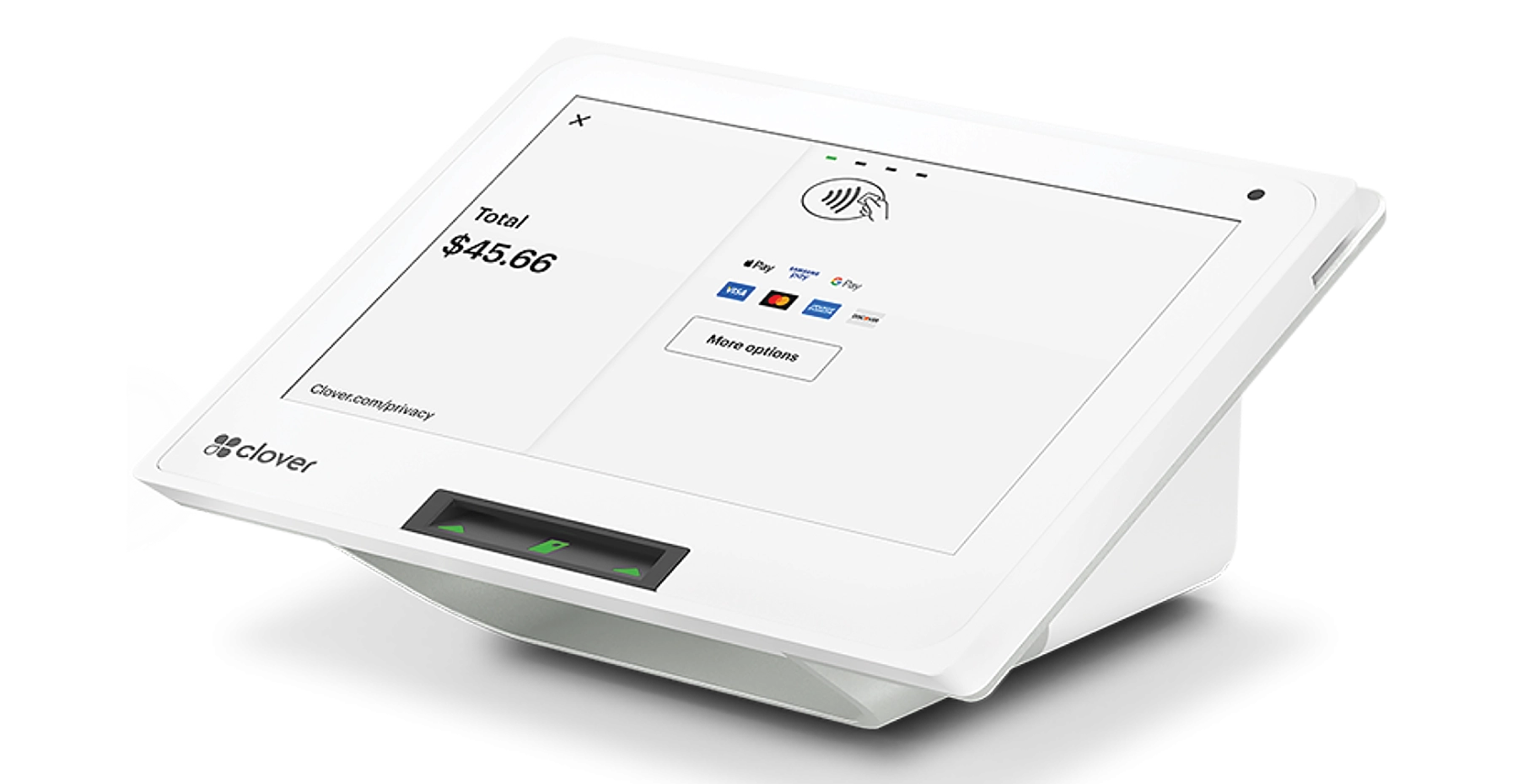
The good news is you don’t need enterprise-level tools to get started. With a Clover POS system, small businesses can access powerful inventory apps built specifically for retailers, restaurants, and service providers. These cloud-based POS systems offer real-time tracking, seamless integration with platforms like QuickBooks Online, and features that help optimize inventory levels, reduce costs, and improve operational efficiency. Effective inventory management software provides real-time visibility into inventory, helping businesses maintain optimal stock levels and avoid stockouts or overstock situations.
Here are some standouts:
Stock by Seven Spaces
Perfect for both restaurants and retail shops, this app lets you:
-
Track quantities, purchase orders, and sales history
-
Create low-stock alerts
-
Record breakage or losses
-
Manage vendors and reorders automatically, helping strengthen supplier relationships by streamlining communication and procurement
-
Easily manage stock transfers between multiple business locations
-
Even build “kits” (like burgers with buns, patties, and toppings) to track ingredients
Inventory Plus Plus by CSI Works
Ideal for convenience stores and gas stations, this app expands Clover’s built-in capabilities:
-
Streamlines inventory for Tobacco Scan Data programs
-
Supports inventory management across multiple sales channels, including in-store and online sales, ensuring real-time synchronization and automation
-
Separates EBT and non-EBT items for faster checkouts
-
Improves reporting and compliance
Inventory Management Techniques
There are several proven inventory management techniques that help businesses optimize their inventory levels and streamline daily operations. One of the most popular methods is the perpetual inventory system, which continuously tracks inventory movements in real time. This approach allows businesses to always know their current stock levels, making it easier to respond quickly to changes in customer demand.
Another common method is the periodic inventory system, where inventory counts are performed at set intervals—such as weekly or monthly. While this technique is less resource-intensive, it can leave businesses vulnerable to stock discrepancies between counts.
The economic order quantity (EOQ) model is another valuable tool, helping businesses determine the optimal order size to minimize costs related to ordering and holding inventory. By calculating the most cost-effective quantity to purchase, businesses can avoid overstocking and reduce carrying costs.
Modern inventory management also leverages demand forecasting to predict future sales trends and adjust inventory levels accordingly. Techniques like barcode scanning and regular physical counts further enhance accuracy, making it easier to track inventory and reduce errors. By combining these techniques, businesses can create a tailored approach that fits their unique needs and ensures efficient inventory management.
Inventory Tracking and Optimization
Accurate inventory tracking and optimization are essential for effective inventory management. With the right inventory management software, businesses gain real-time visibility into their inventory levels, sales trends, and inventory movements across multiple locations. Subscription-based cloud POS plans provide this real-time tracking and allow inventory managers to make informed decisions, ensuring that stock levels are always aligned with customer demand.
Inventory management software streamlines the entire inventory management process by automating data collection and analysis. Businesses can monitor sales trends, identify fast-moving or slow-moving items, and adjust their purchasing strategies accordingly. By leveraging historical sales data and analytics, companies can optimize their inventory levels, reduce excess stock, and avoid costly stockouts.
Optimization goes beyond just tracking inventory—it’s about using data to make smarter business decisions. For example, analyzing inventory movements can reveal patterns in customer demand, helping businesses plan for seasonal fluctuations or promotional events. With real-time visibility and data-driven insights, small businesses can improve their inventory management processes, boost operational efficiency, and ultimately enhance customer satisfaction.
Best Practices for Managing Inventory
To achieve good inventory management, businesses should adopt a set of best practices that ensure accuracy, efficiency, and responsiveness. One of the most important steps is implementing a robust inventory management system that allows you to track inventory levels in real time. This provides a clear picture of your entire inventory and helps prevent both overstocking and stockouts.
Regular inventory counts—whether through cycle counts or full physical counts—are essential for maintaining accurate inventory records. Using barcode scanning technology can further streamline the process, reducing manual data entry errors and making it easier to track inventory movements across multiple locations.
Demand forecasting is another key practice, enabling businesses to anticipate customer demand and adjust inventory levels proactively. Incorporating a quality control process ensures that inventory data remains accurate and that products meet your standards before reaching customers.
By following these best practices, businesses can manage stock levels more effectively, reduce excess inventory, and maintain profitability. Whether you operate a retail store, restaurant, or service business, these strategies help keep your inventory processes running smoothly and support long-term growth, as shown in many small business success stories.
Common Inventory Management Mistakes
Even the best businesses can fall victim to poor inventory management if they overlook key processes. One of the most common mistakes is failing to track inventory in real time, which can lead to excess inventory, inventory shortages, and lost sales. Without accurate, up-to-date information, businesses risk making decisions based on outdated data, resulting in overstocking or running out of popular items.
Another frequent error is neglecting demand forecasting. Without analyzing sales trends and customer demand, businesses may order too much or too little, impacting cash flow and customer satisfaction. Skipping regular inventory counts or not implementing a quality control process can also lead to discrepancies, inventory shrinkage, and inaccurate stock levels.
To avoid these pitfalls, businesses should prioritize effective inventory management processes, including real-time tracking, demand forecasting, and quality control. Reviewing key merchant services FAQs can also help clarify how integrated payment and POS tools support these processes. By addressing these common mistakes, small and midsize businesses can maintain optimal inventory levels, reduce costs, and ensure they’re always ready to meet customer needs.
Bottle Keeper
A must-have for bars, liquor stores, and restaurants:
-
Track liquid inventory down to ounces, pints, or liters
-
Input cocktail recipes for exact depletion tracking
-
Map bulk cases to individual bottles, manage raw materials, and align inventory with production schedules for efficient operations
-
Support physical counts to verify inventory accuracy by reconciling on-site stock with digital records
Getting Started with Automated Inventory
Every small business has inventory—but every business manages it differently. A clothing boutique doesn’t track the same way as a bar, and a restaurant has to manage both ingredients and finished menu items. That’s why choosing the best inventory management software is about matching your needs to the right tools, including how it handles payment processing for small businesses. When selecting inventory management software, consider your storage space limitations and look for a scalable solution that can grow with your business.
With VMS, we’ll help you choose the best Clover POS plan and:
-
Set up a Clover point of sale (POS) system as a key component of your integrated inventory management
-
Install the right inventory apps for your business type
-
Train your staff so inventory practically manages itself
is triggered by specified POS action, and in this example, it is used to notify a merchant of inventory activity.
Final Word
Small business inventory management doesn’t have to be overwhelming. With the right system, you’ll save money, reduce stress, and keep your customers happy. Don’t let outdated methods hold you back—automate your inventory and take control of your business growth.
Ready to simplify your inventory? Visit getvms.com, call (888) 902-6227, or fill out the form below to get started today.
For more insights like this, keep up with the VMS blog – or check out our Youtube Channel where small business meets big tech without the fluff.
Ready to get started? Talk to us today