

In a world where we have self-driving cars, artificial intelligence, and multiple food delivery apps, there exists a hidden crisis: food deserts. Defined as areas where residents lack access to affordable, nutritious food, food deserts are more than just geographical anomalies. They are social and economic disparities that affect millions worldwide. In this blog, we delve into the intricacies of food deserts, exploring their origins, impact, and potential solutions, with a focus on the transformative power of convenience stores accepting EBT/SNAP. To effectively address this issue, it is crucial to understand the root causes and effects of food deserts on individuals and communities.
Understanding Food Deserts
A food desert is defined as a geographic area where residents have few to no convenient options for affordable and healthy foods.
Depending on where you live, what is considered a food desert is defined slightly differently. In urban areas, if you live more than one mile away from a store with nutritious food, it is considered a food desert. In rural areas, you have to live more than 10 miles away.
Food deserts are not simply about the absence of grocery stores. They’re about the absence of healthy options. Picture a neighborhood where fresh fruits, vegetables, and whole grains are luxuries rather than essentials.
Residents in food deserts often have to search extensively for available food resources or nearby pantries, sometimes using online tools to find the closest options.
Instead, the landscape is dominated by fast-food chains and corner stores stocked with processed snacks and sugary drinks. This reality paints a grim picture of the dietary choices available to residents living in these areas.
Why Food Deserts Happen
The emergence of food deserts is often rooted in systemic issues such as poverty, urbanization, and structural inequality. Supermarkets tend to avoid low-income areas due to perceived financial risks or lack of demand, leaving residents with limited access to nutritious food options.
Nearly 39.5 million people or 12.8% of the U.S. population are living in low-income and low-access areas, according to the USDA’s most recent food access research report, published in 2017.
Within this group, researchers estimated that 19 million people, or 6.2% of the nation’s total population had limited access to a supermarket or grocery store. Additionally, transportation barriers and infrastructure limitations further exacerbate the problem. This traps communities in a cycle of poor nutrition and health outcomes.
The limited capacity of local food resources further restricts access for residents in food deserts, as these services are often unable to meet the overwhelming demand for food assistance.
The Impact of Food Deserts on Nutritious Food
The consequences of living in a food desert are profound and far-reaching. Limited access to nutritious food contributes to higher rates of obesity, diabetes, and cardiovascular diseases within affected communities. Children growing up in these environments face developmental challenges, hindering their academic performance and future opportunities. Furthermore, the economic burden of healthcare costs associated with diet-related illnesses weighs heavily on both individuals and society as a whole.
Additionally, the lack of access to nutritious food can undermine the dignity of individuals and families, as they struggle to meet their basic needs in a respectful and self-sustaining manner.
Why It’s a Problem
Food deserts perpetuate a cycle of poverty and ill health. Keeping communities in a state of vulnerability. They represent a fundamental injustice, where access to basic necessities like food is determined by socioeconomic status. Moreover, the long-term consequences extend beyond health, impacting education, employment, and overall quality of life. Addressing food deserts is not just a matter of public health. It’s a moral imperative and a crucial step toward achieving social equity.
Supporting our neighbors is essential to ensure everyone in our community has access to basic necessities like food.
Virtual Food Bank Programs
In the digital age, virtual food bank programs like America’s Virtual Food Bank are transforming the way communities address hunger relief and food assistance. These innovative programs make it possible for individuals and families to access nutritious food—including fresh produce, meat, dairy, and grains—without ever leaving their homes, while some households also rely on EBT Cash benefits for broader non-food essentials. By leveraging technology, virtual food banks offer a convenient and dignified solution for those who may be unable to visit traditional food banks due to transportation challenges, mobility issues, or busy schedules.
Through strong partnerships with local food banks and community partners, virtual food bank programs can reach more people in need, ensuring that nutritious food and free groceries are delivered directly to those who need them most. This model not only expands access to healthy food but also streamlines the distribution process, making it more cost-effective and efficient. As a result, more families and individuals benefit from the program, receiving the food assistance necessary to thrive.
Generous donors and dedicated community partners play a crucial role in making these programs possible. Their support helps provide meals and groceries to households facing hunger, improving nutrition and overall well-being in local communities. By addressing the barriers that prevent people from accessing food—such as transportation and cost—virtual food banks are making a real impact in the fight against hunger, one delivery at a time.
Community Partnerships
The success of virtual food bank programs hinges on the strength of their community partnerships. By collaborating with local organizations, businesses, and individuals, these programs can extend their reach and provide a broader range of services to families and individuals in need. Community partners bring valuable resources, expertise, and funding, amplifying the impact of virtual food banks and helping to address the unique challenges faced by each community.
These partnerships enable virtual food bank programs to identify and address specific needs, such as food insecurity, limited access to healthy food, and transportation barriers. By working together, they can develop targeted solutions that ensure everyone—regardless of income, ability, or location—has access to nutritious food and the support they need to live a healthy life.
Beyond food assistance, community partners often help provide additional services like education and job training, empowering individuals and families to achieve greater stability and self-sufficiency, including supporting local growers with POS systems for farmers market vendors that accept EBT/SNAP. This holistic approach not only addresses immediate hunger but also supports long-term well-being and resilience within the community.
Ultimately, the collaboration between virtual food banks and community partners creates a stronger, more inclusive food system. By joining forces, they ensure that more people benefit from these programs, making a lasting impact on hunger relief and nutrition for families across the country.
The Solution: Food Assistance at Convenience Stores Accepting EBT/SNAP
One promising solution to combat food deserts lies in transforming convenience stores into beacons of health and accessibility. Even if a community has a convenience store nearby, if it doesn’t stock any of the main food groups, they aren’t helping the problem. They are contributing to it.
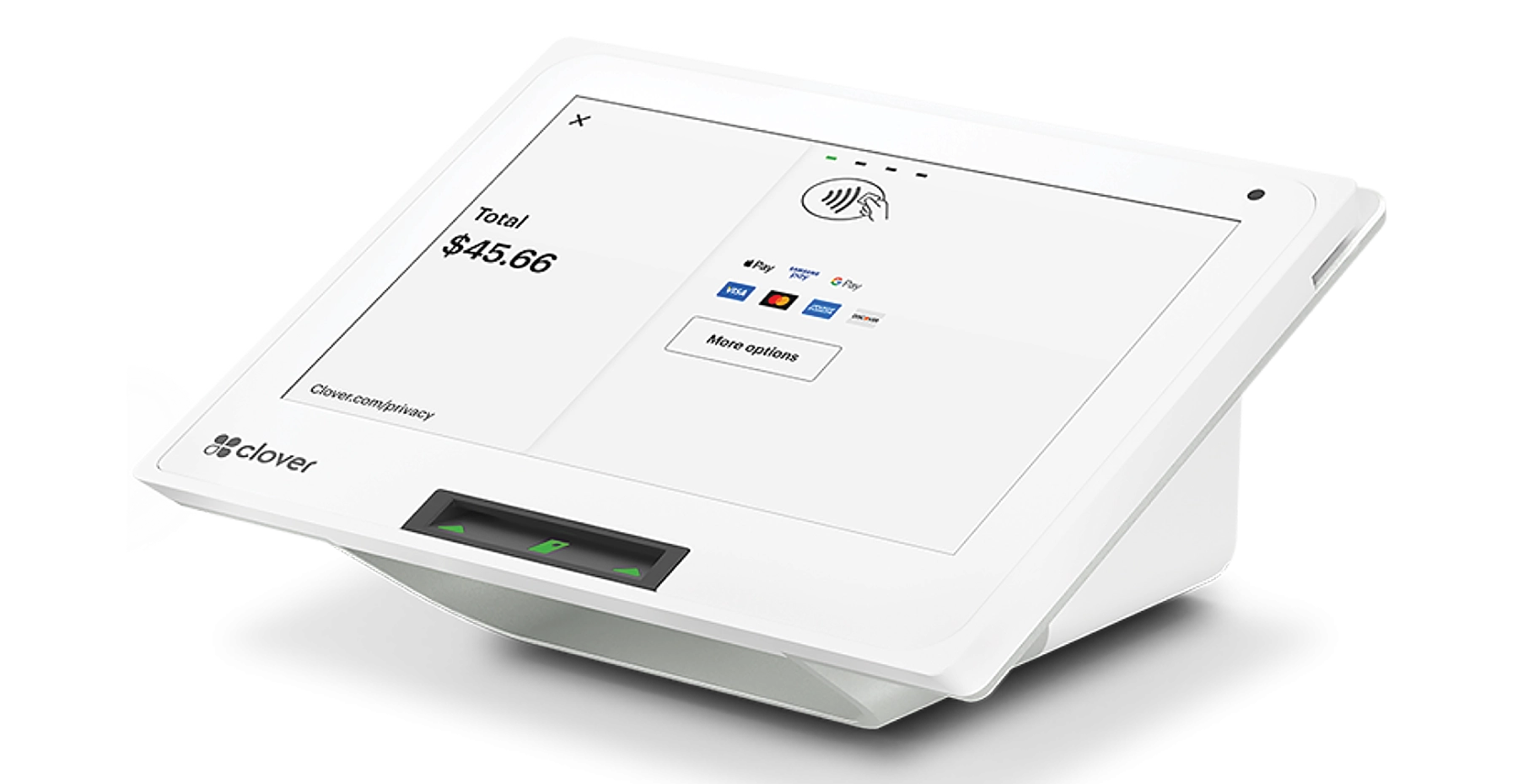
These neighborhood staples, often the only food retailers available, have the potential to revolutionize food access through a simple yet powerful change: accepting Electronic Benefit Transfer (EBT) and Supplemental Nutrition Assistance Program (SNAP) benefits with the specific POS equipment retailers need to process these payments.
Convenience stores can partner with local food banks and join a network of organizations or delivery platforms that accept EBT payments for SNAP-eligible grocery and convenience items to offer home delivery of boxes containing essential items such as bread, meat, dairy, and grains. Residents can register, apply, or join these programs to receive food assistance, with groceries delivered directly to their door or front door. These partnerships and collaborations assist in feeding the community with dignity and discretion, and the ability to shop for nutritious items at convenience stores is especially appreciated by those unable to visit a traditional pantry. Money from donors and partners helps support these initiatives, and the full cart approach ensures families receive a variety of items each week. To learn more or get involved, contact the program for more information.
By embracing EBT/SNAP and following a clear step-by-step guide to start accepting EBT in 2025, convenience stores can diversify their product offerings to include a wider range of nutritious options. Fresh produce, lean proteins, and whole grains can now occupy the same shelves once dominated by processed snacks and sodas. This not only provides residents with healthier choices but also empowers them to make positive dietary changes for themselves and their families.
The Impact of EBT/SNAP Acceptance
There are a ton of positive implications of convenience stores accepting EBT/SNAP. Firstly, it expands access to nutritious food in areas previously devoid of such options. This effectively reducing the prevalence of food deserts. Secondly, it promotes economic empowerment by allowing low-income individuals to stretch their food budgets further and make healthier purchasing decisions. Finally, it fosters community resilience and well-being, laying the groundwork for healthier generations and stronger communities.
Need a POS built for your type of business?
VMS configures your system around how your industry actually operates — menus, inventory, appointments, whatever you run on.
Or call our team: 888-902-6227
Elimination of Food Deserts
Food deserts represent a significant challenge to public health and social justice. Yet, within this challenge lies an opportunity for transformation. By reimagining convenience stores as allies in the fight against food insecurity, especially as states roll out EBT junk food restrictions and healthier purchasing strategies for 2026, we can bridge the gap between communities and nutritious food. Through the simple act of accepting EBT/SNAP benefits and staying informed about policy changes that could impact SNAP, EBT, and small businesses, these stores can become catalysts for positive change, nourishing bodies and empowering lives. Together, let us work towards a future where everyone has equal access to the sustenance they need to thrive.
If you are a convenience store owner, who wants to be a part of the eradication of food deserts. Head to www.getvms.com and get in touch with one of our small business specialists. We offer EBT-enabled POS machines and equipment that make the acceptance of EBT a total breeze for business owners.
We are also authorized by the USDA to make getting accepted faster and easier for our merchants, providing everything business owners need to succeed with EBT payments. An EBT specialist will help you through the entire process and get you to start accepting EBT and SNAP in no time, including support when EBT cards transition to chip-only and terminals must be upgraded.
Have questions about a POS for your business?
Fill out the form below and a VMS payment specialist will contact you shortly.