

by Grace Barone
Convenience stores. The one-stop shop where you can get; soda, motion sickness medicine, a pack of cigarettes, a six-pack of beer, a cup of worms, and maybe a winning lottery ticket. The necessities. Convenience stores seem to have it all (especially if they accept EBT) but a lot goes into providing all of these items. Recognizable brands play a key role in building consumer trust and signaling quality and safety in convenience stores. Many items that C-stores offer require special licenses that need to be obtained, current, and the store has to follow many rules and regulations to continue offering these items. In this blog I’ll go through all the licenses needed, and what needs to be done to maintain convenience store compliance.
Overview of Convenience Stores
Convenience stores, often referred to as c-stores, are essential retail hubs that offer customers a wide variety of products and services, from snacks and beverages to tobacco, lottery tickets, and even fuel. Designed for maximum convenience, these stores are typically located in high-traffic areas—near neighborhoods, highways, or busy intersections—and many operate around the clock to meet the needs of their communities.
Operating a convenience store comes with significant responsibilities, especially when it comes to compliance. Convenience store compliance is critical for ensuring that stores operate within the boundaries of the law, particularly regarding food safety and age-restricted sales like tobacco and alcohol. As regulations evolve and consumer behaviors shift, c-stores must stay agile, adapting their offerings and operations to meet new demands while maintaining strict adherence to all relevant regulations. This commitment to compliance not only protects the business but also builds trust with customers, ensuring the store remains a reliable and safe option for everyday needs.
1. Business License:
This one is needed for every kind of business, but I thought it was still important to mention. A business license aims to ensure businesses comply with local regulations and zoning laws. Having a business license also helps local governments track businesses within their jurisdiction for tax and regulatory purposes. If your business operates multiple locations, you must ensure compliance and proper licensing at each site to avoid regulatory issues.
Getting a business license may be different depending on what area the business is located in. In most cases, you’ll need to apply with your city or county government. This usually includes filling out an application, paying a fee, and providing information about your business:
-
Business Name
-
Address
-
Business Type
-
Estimated Revenue
Some jurisdictions may require additional licenses or permits for certain types of businesses or activities. For example, if you plan to sell food or beverages, you may need a separate health department permit. The information listed above is pretty standard for applying for most licenses for your business. Keep that in mind as you continue to read about convenience store compliance.
2. Lottery License:
Next up are lottery tickets. If you plan on selling lottery tickets, you’ll need to get a lottery license from your state’s lottery commission or gaming authority. Just like a business license, the process and requirements vary by state. You cannot sell lottery tickets legally without a lottery license. Each state imposes various requirements and regulations on businesses that sell lottery tickets. This is to ensure fair and responsible sales practices. These regulations may include rules such as:
-
Display and sales of lottery tickets
-
Age restrictions
-
Record-keeping requirements
-
Procedures for handling winning tickets and prizes.
Businesses selling lottery tickets are often required to undergo training on responsible gambling practices and compliance with lottery regulations. This training may cover topics such as verifying customer age, preventing underage gambling, and promoting responsible gaming behavior. Training programs may be provided by the state lottery commission or through approved vendors. Employees may also be required to obtain and maintain certifications to demonstrate their understanding of responsible gambling practices and compliance requirements. Having properly trained staff is key to ensuring convenience store compliance.
Like other licenses, lottery licenses are typically valid for a specific period and must be renewed periodically. It’s crucial to keep track of your license renewal deadlines and ensure that you renew your license on time to continue selling lottery tickets legally. Additionally, you’ll need to comply with any ongoing requirements or regulations associated with your lottery license, such as maintaining accurate records and reporting sales data to the state lottery commission.
3. Tobacco Retailer License:
Many states and local jurisdictions require businesses to obtain a separate license for selling tobacco products. Your business must apply for a tobacco retailer license from your state or local government health department or tobacco control agency. Obtaining this license is necessary to legally sell tobacco products, including cigarettes, cigars, pipe tobacco, and smokeless tobacco. This license enables your business to regulate the sale of tobacco and ensure compliance with age restrictions and other regulations. Your business needs to obtain a license to stay compliant with your state’s local tobacco control laws.
States and localities impose various requirements and regulations on businesses that sell tobacco products to promote public health and prevent underage smoking. These regulations may include rules regarding the display and sale of tobacco products, age restrictions for purchasing tobacco products (usually 18 or 21 years old), signage requirements, restrictions on tobacco advertising and promotions, and requirements for checking identification to verify the age of customers.
Additionally, many states require businesses selling tobacco products to undergo training on responsible tobacco sales practices and compliance with tobacco control laws. This training may cover topics such as verifying customer age, preventing underage tobacco sales, recognizing fake IDs, and refusing sales to intoxicated individuals. Some states may also require employees to obtain a tobacco retail training certificate before selling tobacco products.
4. Liquor License:
The sale of liquor is regulated by your state’s alcohol beverage control board or commission. The primary purpose of a liquor license is to regulate the sale and distribution of alcoholic beverages, ensure responsible alcohol consumption, and enforce compliance with state and local alcohol control laws. This is why you need a separate liquor license. The process for obtaining a liquor license is more complex than other licenses. It may involve background checks, zoning approvals, and public notices. There are different types of liquor licenses, so it’s important to make sure you are applying for the right one. The different liquor licenses include:
-
On-premises consumption (bar or restaurant)
-
Off-premise consumption (convenience store)
-
Catering (weddings, parties, etc.)
States impose various requirements and regulations on businesses that sell alcoholic beverages. This is to promote public safety and prevent alcohol-related harm. These regulations may include rules regarding the sale and service of alcohol, age restrictions for purchasing alcohol (usually 21 years old), hours of operation, signage requirements, restrictions on alcohol advertising and promotions, and requirements for responsible alcohol service training for employees.
5. EBT License:
To accept EBT cards for SNAP benefits, your convenience store must be authorized as a SNAP retailer, and many owners benefit from following a dedicated step-by-step guide to accepting EBT. This involves applying for SNAP retailer status through the United States Department of Agriculture (USDA) Food and Nutrition Service (FNS). As a SNAP retailer, you must adhere to regulations established by the USDA FNS governing the sale of eligible food items, which include imposing restrictions on the types of items that SNAP benefits can be used to purchase. You’ll need to ensure that your store stocks a variety of eligible food items, including fruits, vegetables, dairy products, meats, and other staple foods. Controlling access to EBT systems and sensitive information is crucial to ensure compliance and security, allowing only authorized employees to handle these transactions.
As a SNAP retailer, you’ll be subject to regular compliance reviews and inspections by the USDA FNS to ensure that you’re complying with program rules and regulations. This may include maintaining accurate records of SNAP transactions, keeping track of inventory, and adhering to reporting requirements. Proper documentation and digital records enhance accountability during audits and inspections by providing a transparent and verifiable record of employee actions. The USDA may send someone out to your business periodically to ensure you are accepting these benefits correctly as well as keeping the required inventory stocked at all times. Not complying with the rules may result in getting this license taken away forever.
Your convenience store compliance relies on you following all the regulations and requirements for these licenses is essential for convenience stores. Here are more details on how your convenience store can stay compliant and what can happen if you do not.
Food Safety Regulations
Food safety is a cornerstone of convenience store compliance, given the wide range of food products these retailers handle daily. From fresh dairy products and meats to packaged snacks and ready-to-eat meals, convenience stores must follow strict food safety regulations to protect their customers and their business. This means implementing rigorous protocols for the handling, storage, and display of food items, as well as maintaining clean and sanitized equipment and facilities at all times.
Convenience retailers are required to provide ongoing training for employees to ensure everyone understands and follows food safety best practices. Regular audits and inspections are essential to verify compliance and identify areas for improvement. Non-compliance with food safety regulations can have serious consequences, including hefty fines, temporary or permanent store closures, and lasting damage to the store’s reputation. By prioritizing food safety, convenience stores not only stay compliant but also demonstrate their commitment to customer health and safety, which is critical for long-term success.
Understanding Regulations Across Industries
-
Make sure you are familiar with all federal, state, and local regulations governing the sale of lottery tickets, liquor, tobacco, and EBT. Each set of regulations may be very different from each other. This is why it is crucial to understand the specifics of each product or service your convenience store offers.
-
For example, regulations around the sales of tobacco products often include restrictions on advertising, packaging, and placement within the store. Failure to comply with these regulations can result in fines, penalties, or even suspension or revocation of your tobacco license.
Strict Age Verification
-
Tobacco, liquor, and lottery sales have stern age restrictions. Selling to a minor is a quick way for your convenience store to be fined, lose licenses, or even get shut down completely. Make sure your staff is properly trained to recognize fake identification. It’s also important to educate your staff on the consequences of selling these products to a minor.
-
Additionally, violating these restrictions will result in serious penalties imposed by authorities. These penalties include fines, suspensions of licenses, and legal repercussions for both the business and the employee who made the transaction.
Display Required Notices and Warnings
-
Make sure all licenses for these products are clearly displayed. If you do not display your license you may be penalized even if you have a valid license. You must also prominently display the minimum age requirements regarding the sale of these products. For tobacco, you must also display warnings about the health risks associated with its use. If you fail to post these notices, authorities may impose fines and other penalties.
-
For EBT acceptance, make sure you display signage indicating that your store accepts EBT cards, this is required by SNAP regulators. Not displaying this signage may result in non-compliance with SNAP requirements and the penalties associated with the failure to comply.
Maintaining Detailed Sales Records
It is important to keep meticulous records of your sales of lottery tickets, liquor, tobacco, and EBT transactions. Detailed records include maintained sales logs, inventory records, and documentation of any required reports or filings. Each completed compliance or safety check should be documented on a specific line in the sales log or checklist to provide a clear audit trail and enhance accountability.
Failure to keep accurate records can lead to compliance violations. It may also make it difficult to show that your convenience store is compliant during audits or inspections.
Renew Licenses and Permits
-
With all of these licenses, it is important to renew them on time to avoid disruptions to your convince store operations. Keep track of renewal deadlines and submit the renewals well in advance to prevent any lapses in licensure.
-
Adding onto that, operating without a valid license or permit can result in fines, penalties on your business’s records, and legal consequences. It may even result in the forced closure of your business until the necessary licenses or permits are obtained.
Compliance Management for Gas Stations
Gas stations that operate alongside convenience stores face a unique set of compliance challenges, especially when it comes to the sale of fuel, tobacco, and other age-restricted products, as well as navigating EBT requirements for gas stations and c-stores. Store managers must ensure that all employees are thoroughly trained on safety protocols, including the proper handling of hazardous materials, emergency response procedures, and strict age verification for restricted sales.
Effective compliance management for gas stations involves meticulous record-keeping, accurate inventory tracking, and regular inspections to catch and correct any issues before they lead to non-compliance. Leveraging technology, such as real-time alerts and notifications, can help store managers stay ahead of changing consumer behaviors and evolving regulatory requirements. This proactive approach reduces the risk of fines, penalties, and reputational harm, while also boosting operational efficiency and customer confidence. By prioritizing compliance, gas stations can minimize risks, maintain a safe environment for employees and customers, and ensure their business continues to thrive in a competitive market.
Managing Convenience Store Compliance
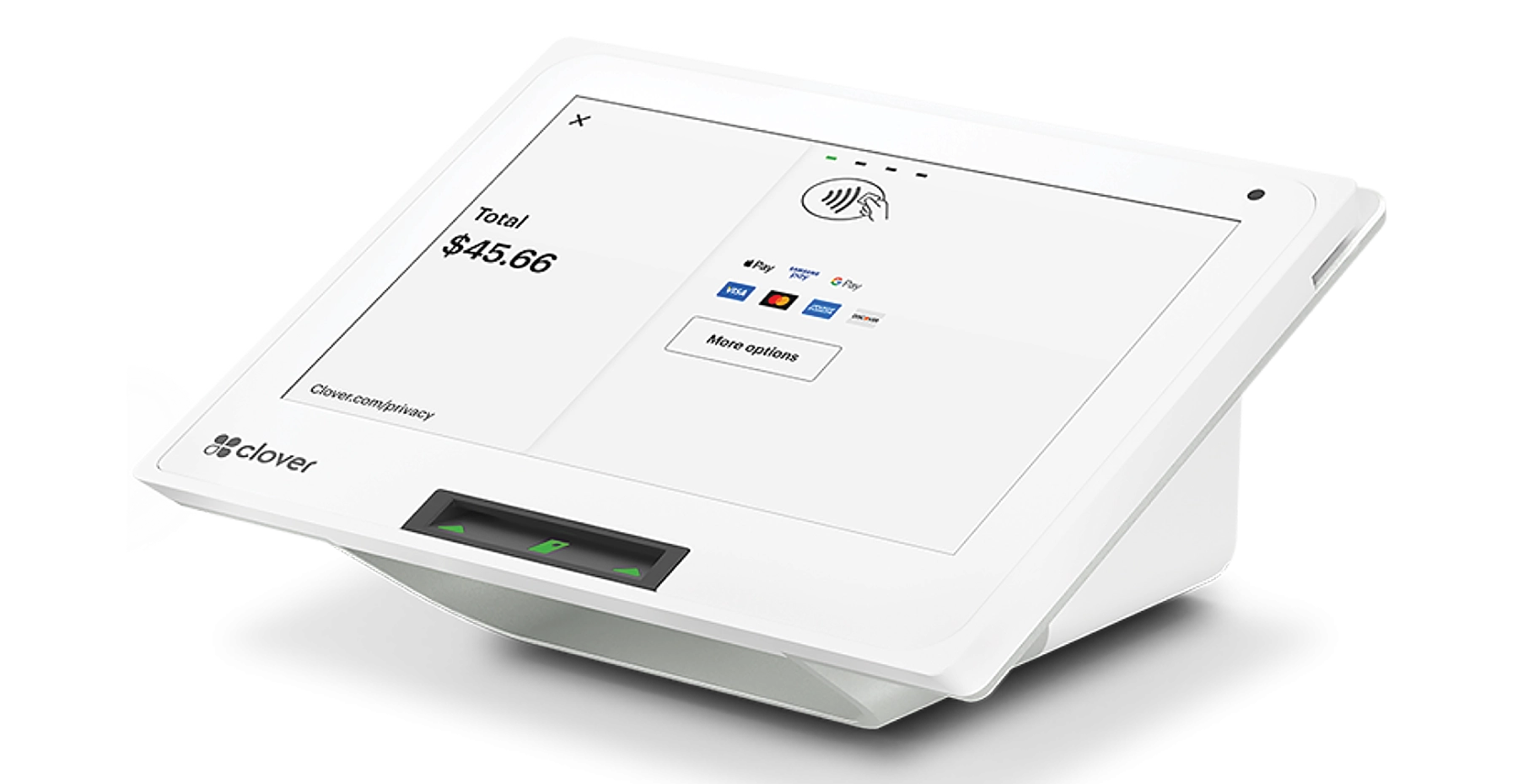
I’m sure all of this seemed like a lot of information. Owning a convenience store is very involved, some may argue more involved than other business types. All of this information is key to running a successful convenience store. At Velocity Merchant Services we know how much needs to be managed at a convenience store. This is why we developed a POS machine specifically for convenience stores to help them manage these requirements, including built-in support for scan data tobacco programs.
The Velocity Pro Pack is a robust POS device that includes a variety of features. Some of these features include lottery sales tracking, age verification software, security camera connectivity, tobacco scan data program options as well as EBT acceptance just to name a few. This is revolutionary for convenience stores since other POS devices may not have all of these features. Digital tools like this POS system help store teams manage retail compliance c store requirements, streamline operations, and improve accountability. Digital checklists included in the POS system can simplify daily compliance tasks, ensure consistency, and provide real-time data across multiple locations, replacing outdated paper-based methods. These tools support teams by assigning tasks, tracking completion, and improving coordination, which is essential for maintaining high standards. Recent improvements in food safety and operational standards, supported by technology, have helped convenience stores build consumer trust and strengthen their brand reputation. The POS system can also help stores expand their fresh food offerings and provide more options to consumers, attracting a wider customer base. Investing in digital compliance solutions helps stores avoid the high cost of non-compliance, such as fines, lost revenue, and damage to reputation. Maintaining visible cleanliness at the site is critical, and technology can help ensure high standards that positively influence shopper perceptions. Having operational technology and compliance signage present in the store reassures shoppers about food safety and quality. Understanding the needs and behaviors of shoppers and consumers is essential for convenience stores to remain competitive and trusted.
Having a basic credit card machine causes convenience store owners to manually maintain records, purchase a second device to accept EBT, risk accidentally selling to a minor, miss out on cash discount programs to cut processing fees, and the list goes on.
If you are a convenience store owner you need the Velocity Pro Pack. Head to www.getvms.com and get in contact with one of our small business specialists. They will set your convenience store up with the POS machine made specifically for convenience stores! Additionally, VMA offers EBT acceptance assistance. The process of getting authorized to accept EBT can be confusing and tedious. We have EBT specialist that will walk you through the process every step of the way, increasing your chances of getting accepted.
With the combination of the Velocity Pro Pack and the assistance of our EBT specialists, your convenience store is sure to blow the competitors out of the water. Owning a convenience store can seem like a lot, but it doesn’t have to be!