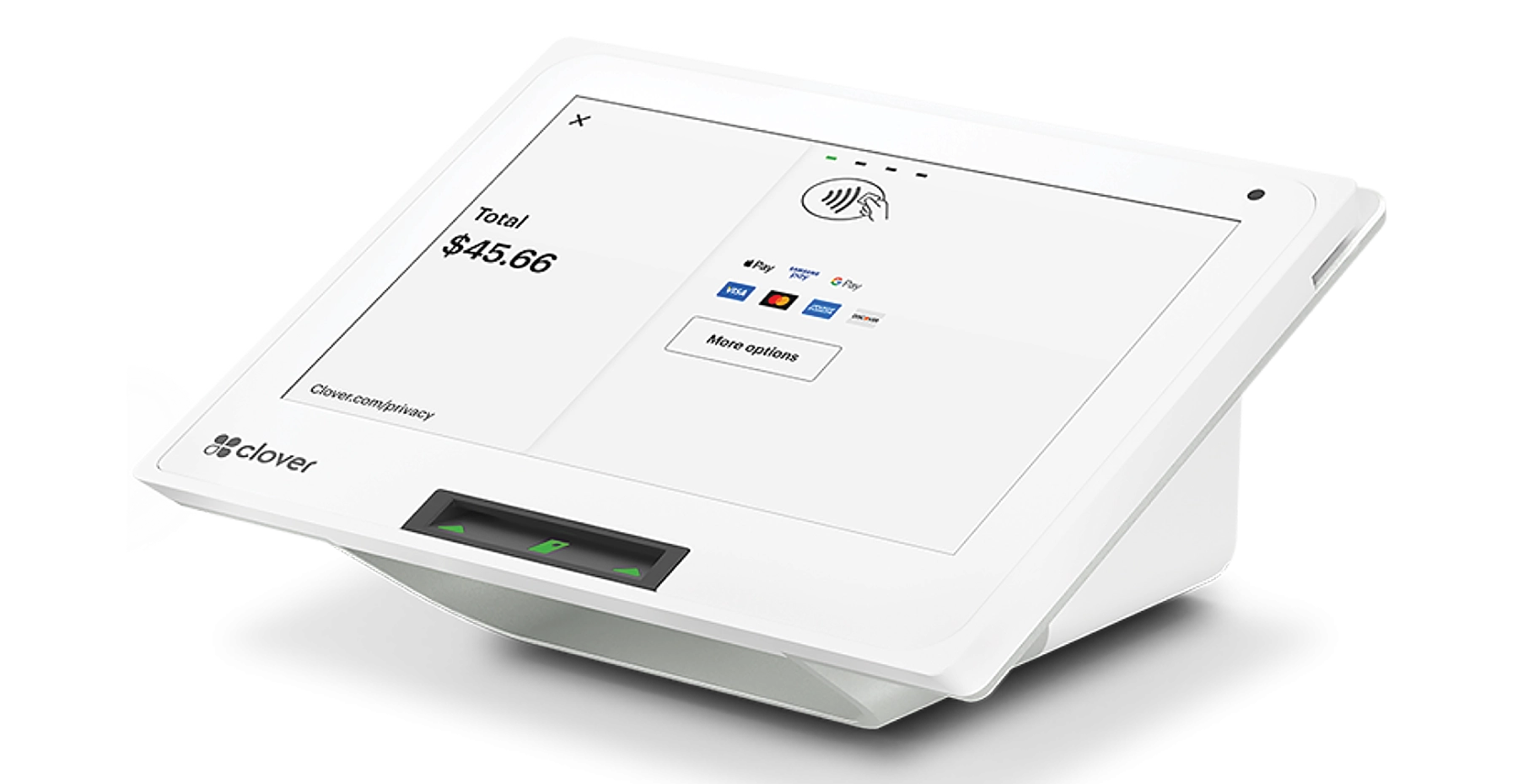


Running a bike shop isn’t just about selling two-wheelers and adjusting derailleur screws anymore. Whether you’re selling high-end carbon frames, doing custom builds, offering repair services, or managing bike rentals, your business needs to be streamlined, efficient, and digitally connected. A centralized system allows you to manage operations across multiple stores with real-time data synchronization and unified control. That’s where a proper point-of-sale (POS) system comes in.
The right POS for a bike shop doesn’t just ring up a sale. A bike shop point system is specifically designed for the unique needs of bike stores, including integration with supplier data and real-time inventory synchronization. It tracks your inventory across dozens (or hundreds) of SKUs, helps you manage repair tickets, connects with your online store, and even keeps tabs on loyal customers who come in for tune-ups every spring.
Managing a growing business can be difficult, especially if you have locations spread out across the city and beyond. A POS system that supports multiple stores and centralized management can simplify operations and help your business scale efficiently.
Why Bike Shops Need Specialized POS Solutions
Unlike standard retail businesses, bike shops have a hybrid operational model. You’re managing both retail and service — and sometimes even rentals. You need a system that’s flexible enough to handle it all. In addition to repairs and rentals, processing sales transactions and managing retail sales are essential functions, ensuring smooth in-store purchases, online orders, and accurate sales reporting. A general POS system might cover basic sales, but when it comes to part replacements, serialized inventory, and service history, generic platforms fall short. For inventory management, features like cycle counts help maintain accurate inventory control by facilitating stock reconciliation and auditing.
Imagine trying to track an individual bike’s repair history, remembering when you last replaced a customer’s cassette, or keeping tabs on serial numbers for warranty tracking — all while juggling your sales floor and web store. That’s where a POS system specifically geared toward bike shops makes a massive difference. With the right solution, you can efficiently track repairs and manage service orders, integrating repair workflows directly into your business management process.
Key Features to Look for in a Bike Shop POS System
When evaluating a POS system for your bike shop, there are a few non-negotiable features. You want a platform that works just as hard as you do — one that doesn’t just process transactions but helps you run your business smarter.
First, inventory management is absolutely critical. You’re dealing with everything from bike frames and tires to tiny bolts and specialized lubricants. Your POS system should track all of it in real-time, and ideally, offer low-inventory alerts so you never run out of bestsellers. Tracking inventory accurately is essential, and features like cycle counts and vendor catalog integrations help streamline ordering and ensure your stock remains up to date. Automated processes in inventory management also play a key role in reducing errors in stock management and sales when you use a POS system with integrated inventory management. Additionally, integrated purchase orders simplify restocking and vendor management, making it easier to keep your shelves full.
Second, you need service tracking capabilities. Bike repairs and tune-ups are a major part of your revenue stream. Your POS system should allow you to schedule appointments, create service tickets, assign mechanics, and keep service notes on file for future reference.
Third, consider how your POS integrates with e-commerce. More and more bike shops are selling gear, accessories, and even full bikes online. Your POS should sync your in-store and online inventory automatically, ensuring you don’t double-sell or create confusion for your staff. Look for systems that also integrate with accounting software and email marketing tools to streamline business operations and enhance customer engagement across multiple channels.
Lastly, think about customer management. Loyal cyclists return often — for repairs, upgrades, and accessories. A good POS system helps you build customer profiles, track purchase history, issue rewards, and send reminders about annual tune-ups or sales.
Many bike shop POS systems also offer add ons, allowing you to customize your system with additional features such as advanced inventory management or marketing automation to better suit your business needs.
Benefits of Using a POS for Bike Shop Operations
A robust POS system isn’t just a tool — it’s your co-pilot. It simplifies your day-to-day tasks and gives you the insights you need to make better business decisions.
For starters, your checkout process becomes significantly faster. A modern sale system and pos software can help save time by automating routine tasks and streamlining sales transactions. A modern POS can quickly scan products, apply any applicable discounts, and accept multiple forms of payment — including contactless options, digital wallets, and even split payments.
Beyond the sale, the POS helps you understand what’s working and what’s not. Through detailed reports, you can see which products are moving fast, which services are bringing in the most money, and what times of the year you need to ramp up staff. A bike shop POS system provides powerful analytics tools and detailed sales reporting to help track sales trends and optimize inventory.
Additionally, having service history at your fingertips builds trust with customers. When a cyclist sees that you remember their last brake adjustment and suggest a chain replacement before it breaks — that’s the kind of personalized service that keeps them coming back.
Another big perk? A solid POS system helps you reduce shrinkage and over-ordering. By automatically tracking what’s going out and what’s coming in, you get a clearer view of what you actually need to reorder — saving both time and money.
Managing Repairs and Services
For bike shops, managing repairs and service orders is just as important as selling bikes and accessories. A dedicated bike shop POS system streamlines the entire repair process, from intake to completion. With features like automatic service reminders, service order management, and technician assignment, your shop can ensure that no repair slips through the cracks. These tools help you track each service order, assign jobs to the right staff, and keep customers updated on the status of their bikes.
Automatic service reminders are a game-changer for customer retention, prompting cyclists to return for regular tune-ups or seasonal maintenance. By keeping detailed records of repairs and service history, your shop can offer truly personalized service—remembering exactly when a customer last had their brakes adjusted or tires replaced. This not only builds trust but also encourages repeat business.
A robust shop POS system, such as Lightspeed’s bike shop POS, makes it easy to manage service orders, track repair progress, and communicate with customers every step of the way. The result? Fewer errors, faster turnaround times, and a reputation for reliability that keeps your customers coming back for all their bike repairs and upgrades.
Inventory Management and Special Orders
Inventory management in bike shops is uniquely complex, with a wide range of bikes, parts, and accessories to track—often sourced from multiple vendors. A powerful bike store POS system is essential for keeping tabs on this complex inventory, ensuring you always know what’s in stock, what needs to be reordered, and what’s on special order for a customer.
With advanced inventory management features, your shop can automate re-ordering, track purchase history, and manage inventory from multiple vendors—all within one system, much like the best practices outlined in a small business guide to inventory management. This not only reduces the risk of stockouts and overstocking but also saves time and cuts costs. When a customer requests a special order, your POS system should make it easy to process the request, track its status, and notify the customer when their item arrives.
For example, Celerant’s bike shop POS system integrates seamlessly with multiple distributors, allowing you to manage inventory, process sales transactions, and handle special orders without juggling multiple systems. This level of operational efficiency means you can focus more on serving customers and less on manual inventory tasks—ultimately increasing sales and keeping your store running smoothly.
Customer Relationship Management
Building strong relationships with your customers is at the heart of every successful bike shop. A modern bike shop POS system with built-in customer relationship management (CRM) tools empowers you to deliver personalized service and drive repeat business. By creating detailed customer profiles and tracking purchase history, your shop can tailor recommendations, remember important details, and reward loyal cyclists.
With CRM features, you can segment your customer base, launch targeted marketing campaigns, and implement loyalty programs that keep riders coming back for more. Tracking customer data allows you to send personalized offers, birthday discounts, or reminders for annual tune-ups—turning occasional shoppers into lifelong fans.
For instance, Epos Now’s bike shop POS system enables you to manage customer profiles, monitor interactions, and set up loyalty programs that incentivize repeat visits. By leveraging these tools, your shop can boost sales, increase customer retention, and build a community of passionate cyclists who trust your expertise and service.
Payment Processing and Security
In today’s retail environment, secure and flexible payment processing is non-negotiable for bike shops. A reliable bike store POS system should support a wide range of payment options, from traditional credit cards to contactless payments and digital wallets, ensuring a smooth checkout experience for every customer—similar to how integrated payment processing solutions streamline transactions in other service industries.
Security is just as important as convenience. Your POS system must safeguard customer data and comply with industry standards like PCI-DSS to prevent fraud and protect sensitive information. Solutions like Lightspeed Payments are designed specifically for bike shops, offering robust payment processing capabilities while keeping customer data secure.
By providing multiple payment options and prioritizing security, your shop not only reduces the risk of fraud but also builds trust with your customers. A secure, efficient payment process encourages more customers to shop with confidence—both in store and online.
Reporting and Analytics
To stay competitive in the bike industry, you need more than just gut instinct—you need data-driven insights. A comprehensive bike shop POS system delivers advanced sales metrics and analytics, giving you a clear view of your shop’s performance. With detailed reporting, you can track sales transactions, monitor inventory levels, and analyze customer behavior to make smarter business decisions.
Access to real-time analytics helps you identify best-selling products, spot seasonal trends, and optimize inventory to meet demand. You can also evaluate the effectiveness of promotions, track the success of loyalty programs, and pinpoint areas for operational improvement.
Ascend’s bike shop POS system, for example, offers robust reporting tools that allow you to monitor key performance indicators and adjust your strategy as needed. By leveraging these insights, your shop can increase sales, improve efficiency, and drive long-term business growth.
Multi-Location Management
As your bike shop business expands to multiple locations, managing operations across all stores becomes increasingly complex. A centralized bike shop POS system is essential for maintaining consistency, optimizing inventory, and delivering a seamless customer experience at every location.
With multi-location management features, you can oversee sales transactions, inventory, and customer data from one seamless platform. This real-time visibility allows you to transfer stock between stores, track performance across locations, and ensure that every customer receives the same high level of service—no matter which shop they visit.
Celerant’s bike shop POS system, for instance, supports multi-location management, enabling you to process sales, manage inventory, and access customer data across all your stores from a single system. This centralized approach increases operational efficiency, reduces errors, and empowers your business to scale with confidence—helping you serve more customers and grow your brand in the competitive bike industry.
E-Commerce and Omnichannel Support
In today’s market, even the most local of bike shops need to think digital. Customers want to browse inventory online, check pricing, and maybe even schedule a service appointment — all before stepping foot in your store. That’s why omnichannel capabilities are essential.
The best POS systems for bike shops integrate seamlessly with platforms like Shopify or WooCommerce, allowing you to manage everything in one place. Integrating a bike shop POS system with eCommerce platforms enables multichannel selling, enhancing your market reach. Additionally, features like marketing automation can enhance customer engagement through personalized marketing and loyalty programs. Whether a customer buys a helmet in-store or online, your system should keep everything in sync — inventory, orders, customer info, and more.
If you offer rentals or demo bikes, your POS should also allow for booking and scheduling. Some systems even allow you to set rental durations, take deposits, and track damage or wear and tear after return.
Mobile Access and Cloud Connectivity
Many modern POS systems are cloud-based, which means you can manage your business from anywhere. A cloud-based POS system offers flexibility and accessibility, allowing you to manage your business from anywhere with an internet connection. Both Lightspeed and Epos Now provide cloud-based POS systems that enable remote access and management. Need to check sales numbers from your phone after closing up? Done. Want to reorder inventory while you’re at a trade show? Easy.
Mobile access is especially helpful for bike shops that offer off-site services or attend community cycling events. You can take payments, check inventory, or create service tickets on the spot using a tablet or smartphone.
And if you’re managing more than one location? Cloud-based systems allow you to unify everything across shops, which is ideal for growth-minded bike retailers.
How to Choose the Right POS for Your Bike Shop
Start by evaluating your workflow. Are you primarily a retail shop? Do you do a lot of repair and service work? Do you host group rides and need event management tools? Do you sell online?
Once you’ve mapped out your operational needs, look at systems that offer a clean, intuitive user interface. A user-friendly interface and mobile capabilities ensure smooth day-to-day operations, enhancing efficiency and customer satisfaction. You want something your team can pick up with minimal training. You’ll also want to ensure it has top-tier support — nothing derails your day faster than a system crash and no one to help.
Another key consideration is scalability. As your shop grows, your POS system should be able to grow with you — adding new features, supporting more users, or even integrating with new tools and platforms. Opting for one centralized system allows you to efficiently manage multiple locations, unify inventory, and streamline operations as your business expands.
Finally, price matters. Some systems charge based on features, others by users or register count. Make sure you understand the total cost of ownership, including setup fees, monthly subscriptions, and any hardware requirements.
Recommended POS Features for Bike Shops
Now, while we’re not endorsing a specific brand here, we do recommend looking for POS systems with features like:
-
Serialized inventory tracking (for bikes with serial numbers)
-
Integrated repair/service ticket system
-
E-commerce integrations with platforms like Shopify or WooCommerce
-
Built-in CRM with marketing tools (like SMS or email campaigns)
-
Support for mobile payments and mobile POS hardware
-
Back office management tools for handling staff, reports, and administrative functions
-
Integration with accounting software for streamlined financial management
-
Add ons that let you customize your POS system with additional modules or integrations
These are the kinds of features that help you not only survive, but thrive in a competitive market.
Final Thoughts: The Right POS is a Game-Changer
A reliable, feature-rich POS for bike shop businesses does more than just help you sell bikes — it becomes the engine that drives your operations forward. From fine-tuning inventory to managing repairs and delighting customers, your POS system is the backbone of your success and functions much like the modern POS systems described in our complete guide.
Take the time to choose a solution that understands the unique rhythm of the bike retail industry. For example, platforms like Ascend HQ offer centralized management, enabling multi-store oversight and real-time business decision-making. The smoother your system, the more time you have to connect with your cycling community and grow your brand.
If you’re looking for expert guidance on choosing the best POS for your bike shop, Velocity Merchant Services is here to help. We offer modern, fully integrated solutions tailored for small businesses — including bike retailers just like yours.
Want to explore point-of-sale solutions designed specifically for your bike shop? Contact our team today and let’s talk shop — literally.
Still running an outdated register?
VMS sets up a modern Clover POS matched to how your business actually runs — installed, configured, and supported by a team that answers the phone.
Or call our team: 888-902-6227
Have questions about POS systems?
Fill out the form below and a VMS payment specialist will contact you shortly.