
Navigating the confusing world of merchant accounts can be stressful and difficult if you don’t know exactly what you need and don’t fully understand the terminology utilized by merchant account companies. Merchant account pricing schemes, along with the various credit card fees associated with merchant accounts, can be complicated. The pricing model you choose—such as flat-rate or interchange-plus—can significantly impact your credit card processing fees, so selecting the right pricing model is crucial for controlling costs and improving transparency. Credit card processing fees typically cost a business 1.5% to 3.5% of each transaction’s total. Being aware of the different credit card fees, as well as the types of pricing schemes offered, can enable you to better spot a good deal and choose the merchant account provider that is right for your business.
Types of Fees
When it comes to credit card processing, understanding the different types of fees is essential for managing your payment processing costs and making smart decisions for your business. Here’s a breakdown of the most common fees you’ll encounter when handling credit card transactions:
-
Interchange FeesInterchange fees are the backbone of credit card processing costs. These are paid by the merchant to the card issuer every time a customer makes a purchase with a credit or debit card. Interchange fees can vary depending on the card type (credit or debit), the card issuer, the transaction method (in person transactions vs. online transactions), and even your industry, so it helps to understand the difference between debit vs. credit transaction fees. For example, Visa and Mastercard each have their own interchange fee structures, and rates can range from 1.15% + $0.05 to 2.5% + $0.10 per transaction. These fees are set by the card network and are non-negotiable.
-
Assessment Fees Assessment fees, sometimes called service fees, are charged by the credit card network (like Visa, Mastercard, or other credit card networks) for processing transactions through their payment network. These are typically a small percentage of each transaction and are charged in addition to interchange fees. The assessment fee structure can vary depending on the card network, and some networks, such as American Express, have unique pricing since they act as both the card issuer and the network.
-
Payment Processor FeesYour payment processor charges fees for facilitating credit card transactions. These payment processor fees can be a flat fee, a percentage of each transaction, or a combination of both. For example, some payment processing companies like Square charge 2.6% + 15¢ per swipe, dip, or tap for in person payments. These fees can vary depending on your payment processing company and the pricing structure you choose.
-
Chargeback FeesIf a customer disputes a transaction, you may be charged a chargeback fee by your payment processor. This fee covers the cost of investigating and resolving customer disputes. Chargeback fees can range from $20 to $100 per incident, depending on your payment processor and the complexity of the dispute.
-
Monthly FeesSome payment processors require a monthly fee for account maintenance, access to reporting tools, or customer support. However, not all companies charge a monthly fee—some, like Square, offer no monthly or setup fees, which can be attractive for businesses looking to minimize fixed costs.
-
Terminal or Equipment FeesTo accept credit cards, you may need to purchase or lease credit card terminals or POS systems. Equipment fees can be a one-time purchase or a recurring lease payment. Basic mobile card readers might cost between $20 and $50, while more advanced terminals can be around $150 or more.
-
Payment Gateway FeesFor businesses that process online transactions, payment gateway fees may apply. These can include setup fees, monthly fees, and per transaction fees. For instance, PayPal charges 2.9% + 30¢ per online transaction. Payment gateways are essential for securely processing card not present transactions.
-
PCI Compliance FeesTo ensure your business meets Payment Card Industry Data Security Standard (PCI DSS) requirements, you may be charged PCI compliance fees, and it’s important to understand what PCI compliance requires from business owners. These fees help cover the cost of maintaining security standards and can also include penalties for non-compliance. Staying compliant is crucial for protecting your customers’ data and avoiding additional costs.
-
Miscellaneous FeesDepending on your payment processor, you might encounter other fees such as account setup fees, statement fees, or batch processing fees. These miscellaneous fees can add up, so it’s important to review your agreement carefully and ask your payment processor about any additional charges.
Understanding these various fee structures will help you better navigate the world of credit card processing and avoid surprises on your monthly statements, especially once you know what your credit card processing statement really means. Always compare the full range of processing fees and services offered by different payment processors to ensure you’re getting the best deal for your business.
How Are Credit Card Interchange Fees Determined?
It is important to understand that a transaction is not just a simple swipe of the card–there are many interactions that take place between you and the processing bank when a charge is being processed or another transaction is taking place, such as a charge refusal or reversal. Credit card processing fees are influenced by the roles of financial institutions, issuing banks, credit card companies, and credit card processing companies, each of which impacts the overall cost structure of credit card transactions. Businesses pay credit card processing fees to financial institutions, card networks, and payment processors. Credit card processing fees vary based on factors such as the payment network, card type, and merchant category code. Higher volume businesses often negotiate lower processing rates. Collecting quotes from multiple processors can help you negotiate better rates with your current processor. Businesses can also lower credit card processing fees by comparing different payment processors and their fee structures. Different types of businesses, the type of card being used, whether the card is charged manually, on credit card terminals, on a mobile device, or online payments are used, and other factors also all affect and typically result in credit card fees.
Before deciding upon any one credit card processing and merchant services provider, take the time to do your research. Get quotes, ask for complete details about all the fees you might incur, and learn more about the equipment you will be provided with. It is also important to determine what pricing scheme you will be using: tiered or interchange-plus pricing.
The Difference Between Tiered Pricing and Cost Plus Pricing for Credit Card Services
A merchant services provider often offers different pricing models for your credit card processing services, such as flat rate pricing, interchange-plus pricing (also known as cost plus pricing), or tiered pricing. A pricing model refers to the structure used to determine how fees are charged for processing credit card transactions.
Tiered pricing organizes transactions into three levels: qualified, mid-qualified, and non-qualified, each with different fee rates. Qualified transactions, such as those involving debit cards or non-rewards credit cards, typically have the lowest transaction fees within this model. A qualification matrix is used, factoring in the type of transaction and the type of card being used, to determine which tier a transaction falls into and thus your credit card fees for that particular transaction.
Cost plus pricing, or interchange-plus pricing, charges the lowest interchange fee plus an additional fixed fee, making it a transparent pricing model. Each type of card used has a specific interchange fee associated with it, plus a markup fee and transaction fee charged by the merchant services provider. Interchange-plus models keep fees separate and transparent, while flat-rate pricing models charge the same rate for every transaction.
Flat-rate pricing charges a consistent rate for handling credit card transactions, providing predictability in fees. This simplicity and predictability can be advantageous for small businesses with lower transaction volumes.
The discount rate is the overall cost merchants pay for processing credit card transactions, and it consists of interchange fees, assessment fees, and payment processor fees. The three main types of credit card processing fees are interchange fees, assessment fees, and payment processor fees. The average credit card processing fee is approximately 2.35% for Mastercard and Visa-branded credit cards.
Choose a pricing scheme that best reflects your business model and the amount of transactions you normally process, and consider whether a cash discount program to cut processing fees fits your customer base and local regulations.
Customer Service and Equipment
In addition to credit card fees and pricing schemes, it is also important to work with a merchant services provider that delivers excellent customer service, as well as reliable and efficient equipment.
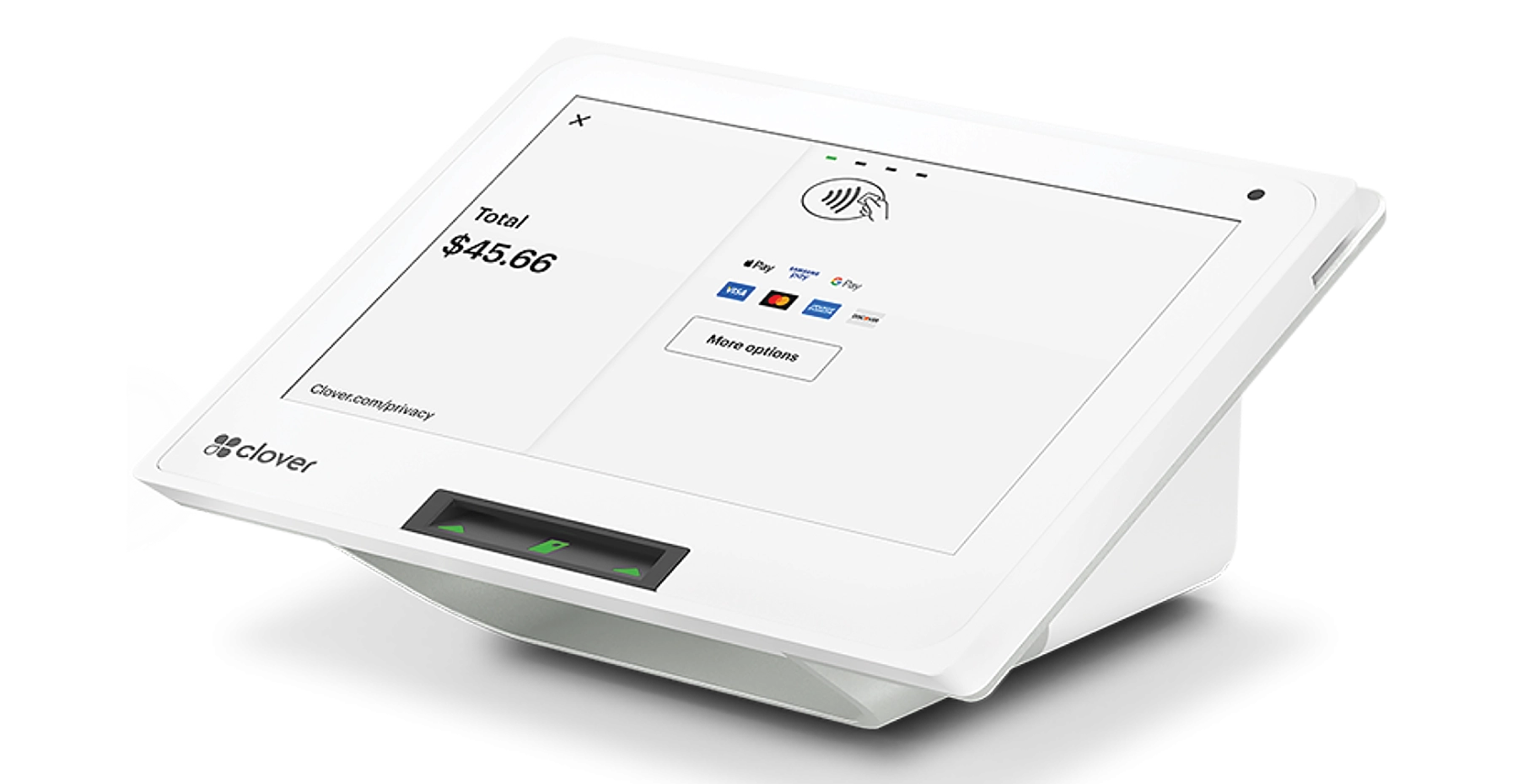
There are lots of options for your small business, and your equipment should be perfect for your business. A system like Clover can replace multiple devices and simplify your business, and the Clover POS can provide more personal time by freeing you up from the manual tasks that you do. Read more here and check out your options, including how to pick the best Clover POS plan for your business.
In conclusion, research is key, and the cheapest credit card processing provider isn’t always the best choice. Be aware of credit card processors to avoid so you don’t end up locked into hidden fees or poor support. Make sure that the merchant services provider you’ve chosen, as well as the pricing scheme, equipment, and processing services are right for your business needs. At Velocity Merchant Services, your success is our passion, and we’ve grown into one of the best merchant services companies for small businesses by focusing on transparent pricing and hands-on support. Envision where you want to be in the future, and we help you get there. Follow us on Facebook, Twitter, Instagram, Google+ and LinkedIn for ways to succeed in your industry.