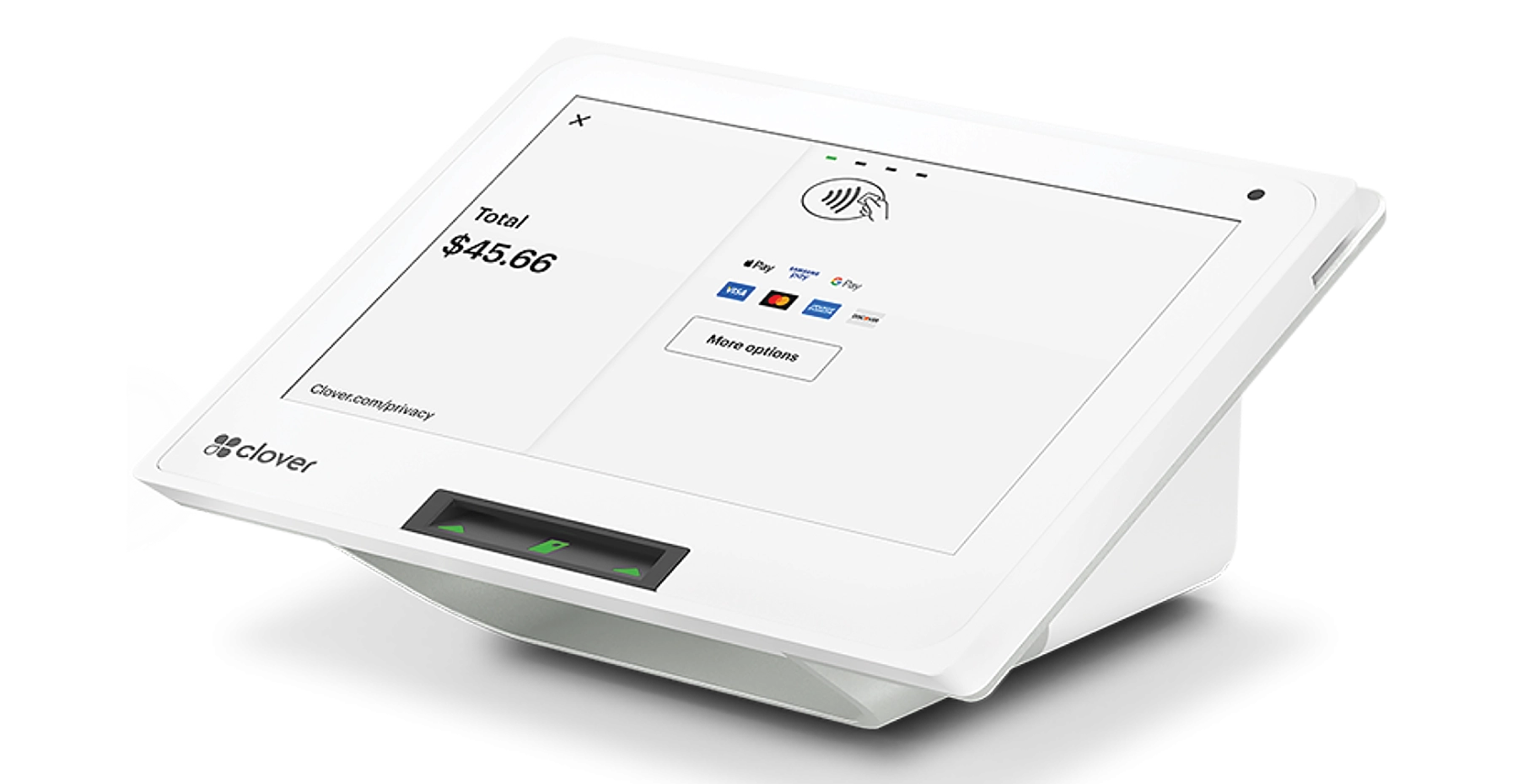

“Credit or debit?” As a savvy business owner, which answer would you prefer to hear? Does their answer impact your bottom line? Which method costs you more?
Roughly 85% of all transactions are made using debit or credit cards, making it essential for merchants to accept both types to enhance customer satisfaction and potentially increase sales. It’s also important for merchants to understand all the fees associated with accepting credit and debit cards, as these can significantly affect your business costs.
If a customer uses their debit card and then selects “credit,” what does this mean for you? How do processing fees change the way you do business? In other words, which costs more for you, the merchant: credit or debit?
In order to see the whole picture and develop an informed opinion, we’ll examine the decision making process from two different perspectives: yours and your customer’s, looking closely at how debit vs. credit transaction fees affect your bottom line.
Introduction to Payment Processing
Payment processing is at the heart of every business that accepts debit and credit card payments. Whenever a customer swipes, taps, or enters their card details, a series of steps are triggered involving multiple parties—financial institutions, payment processors, and card networks—all working together to move funds securely from the customer’s account to the merchant’s account. For merchants, understanding how debit card transactions and credit card transactions are processed is essential, as each type comes with its own set of credit card fees, debit card fees, and processing fees. These card payments can impact your bottom line, so being aware of the different costs associated with credit card payments and debit and credit card transactions helps you make smarter business decisions and manage your expenses more effectively.
Credit and Debit Card Transactions for the Customer
For the consumer, it’s mostly a matter of personal preference when choosing to process their card as debit or credit. Some things they may take into consideration are fees that may be encountered on their end, such as backend banking paperwork fees. Certain banking institutions charge their customers a fixed fee (generally $0.25-$0.60) for each transaction they run as debit due to the extra work incurred on behalf of that bank. These fees will appear on the customer’s bank statement, much like an ATM convenience fee or surcharge would.
Aside from focusing on bank fees when choosing debit over credit, many of your customers will like the idea of accountability attached to paying with their debit cards. They don’t receive a monthly bill, there’s no penalty interest rate on their checking account and they may find it’s easier to “live within their means” due to the fact that they’re not borrowing against themselves only to pay off debt later. For those people, as a merchant, you should always offer the option of PIN-based debit card acceptance so as not to miss out on potential sales.
It’s also important to note that merchants are typically legally prohibited from adding surcharges to debit card payments, whereas surcharges may be allowed for credit card transactions.
When it comes to credit cards, rewards programs are a common incentive for customers to choose credit over debit, as these programs offer points, cash back, or other benefits for using credit cards.
Processing Fees for Debit vs. Credit as the Merchant
As a business currently accepting credit and debit card payments, you must already have a merchant account with your payment processor. Each processor will have different criteria for how debit card payments are handled, often using different credit card processing pricing models that impact your effective rates. For some, you will find that there is no direct percentage rate schedule attached to debit processing and only a fixed transaction fee (generally $0.25-$0.50) per transaction. This is known as a flat fee or flat rate, and is a common fee structure for debit card processing. Debit card processing fees are typically lower than credit card processing fees, which are usually a percentage of the transaction amount. Credit card processing fees often range from 2% to 4% or more, depending on the card type and transaction value, while debit card transaction fees are often a flat rate per transaction. The merchant discount rate, which is the average cost of processing payments for U.S. businesses, typically falls between 2.87% and 4.35% per transaction and includes various fees such as interchange, scheme, and processor fees.
In addition to per-transaction fees, merchants may incur additional monthly service charges, such as a monthly fee, minimum monthly service charge, PCI compliance fee, and online payment gateway fees. These charges can impact your overall costs, especially if your transaction volumes are low or if you process credit card payments online. The minimum monthly service charge ensures that the processor receives a minimum amount in fees each month, even if your transaction fees do not reach a certain threshold. PCI compliance fees are recurring costs for maintaining security standards, and online payment gateway fees apply when accepting payments through an online payment gateway.
You should also be aware of the various debit card networks (STAR, NYCE, Pulse, etc.) that may charge network access fees, which will appear on your credit card processing statement. In order to decipher if this is happening, you’ll be able to tell what that fee is, if indeed there was one, when you receive your first processing statement. This fee is referred to as a “network access fee” which is paid to the network of banks affiliated with your customer’s debit card issuing bank (Fifth Third, Bank of America, TCF, etc.). The card network (such as Visa, Mastercard, or Interac in Canada) is responsible for processing and facilitating transactions, and sets scheme fees that are paid by merchants for each transaction processed. The card issuer, which is the bank or financial institution that issues the card to the consumer, sets the interchange fees that are a major component of overall processing costs. Interchange and scheme fees are key parts of the overall fee structure for both debit and credit card transactions.
Generally speaking, PIN-based debit card transactions will end up being cheaper for your business in the long run. When a PIN-based debit card transaction takes place, instead of traveling through the payment networks required to process credit, the transaction, along with the customer-entered PIN number, travels directly to the customer’s bank account. That account is checked for availability of funds and, if there’s enough to cover the requested payment, the account is immediately debited and the funds are scheduled for deposit into your business’s bank account within 24-48 hours. PIN-based debit transactions are usually the cheapest option for merchants, while signature-based debit may cost more but is still less expensive than processing credit card transactions. Debit card transactions are typically settled within a day, while credit card transactions can take several days to process and settle.
Interchange fees for regulated debit cards are capped at approximately 0.05% plus $0.21 per transaction by federal law, while credit cards do not have similar caps and can have higher fees due to reward programs and increased risk. Debit card fees can be lower, sometimes fixed-rate or capped, while credit card fees are generally more complex and often a percentage of the transaction amount. Swiped debit cards generally cost between 0.10% and 1.45%, while swiped credit cards cost between 1.50% and 2.25%. In Canada, Interac fees for merchants accepting debit cards are typically around $0.05 to $0.10 per transaction, while credit card fees can range from 2% to 4% or more depending on the card type.
The total cost of card processing depends on how many transactions you process and the transaction amount or value, but there are proven strategies for lowering credit card processing fees regardless of your size. Businesses with high transaction volumes can often negotiate lower processing rates with payment processors, sometimes securing rates below 1%. Understanding processor fees and negotiating them is important for reducing your overall costs. Each transaction processed incurs various fees, so it’s important to understand the full fee structure and how transaction volumes and values affect your total expenses.
Merchants can reduce credit card processing fees by accepting cards in person (card present), as card-not-present transactions (such as online or phone payments) incur higher processing fees due to increased fraud risk, in part because of the extra steps involved in how credit card processing works. Card-not-present transactions are also more susceptible to chargebacks, which are more common with credit card transactions and can be costly and time-consuming for merchants to resolve, leading some businesses to consider passing processing fees to customers or using cash discount programs. Chargeback fees are incurred when a transaction is reversed due to customer disputes, and these fees can vary significantly based on the payment processor.
Alternative payment methods, such as Pay by bank, can help reduce processing fees—often averaging less than 1% of the transaction value—and can eliminate chargebacks and interchange fees altogether. Requiring a minimum purchase amount for credit card transactions (up to $10 per the Dodd-Frank Act) can help offset processing fees, but this is not allowed for debit cards.
Credit card fees are generally more complex than debit card fees, with the majority being interchange fees that can range from 2% to 4% depending on the card type and transaction amount. Credit card companies often charge higher fees due to the costs associated with reward programs and increased risk. Understanding all the fees involved in card processing, including scheme fees, processor fees, and additional monthly service charges, is essential for managing your payment processing costs and maximizing profitability.
Merchant Account and Payment Gateway
To accept debit card transactions and credit card transactions, your business needs two key components: a merchant account and a payment gateway. A merchant account is a special type of bank account provided by a financial institution or payment processor that allows you to receive funds from card payments, and understanding the merchant account application process along with core credit card processing terms every business must know will make it easier to compare providers and avoid unnecessary fees. This account acts as a holding area for money from credit card and debit card sales before it’s transferred to your business bank account.
A payment gateway, meanwhile, is the technology that securely transmits payment information from your website or point-of-sale system to the payment processor, and there are several compelling reasons every business should use a payment gateway beyond simply moving card data. Whether you’re processing credit card payments online or handling debit and credit transactions in person, the payment gateway ensures that sensitive card data is encrypted and safely delivered for authorization. By understanding how your merchant account and payment gateway work together, you can better manage your payment processing, streamline card payments, and potentially reduce costs associated with accepting credit card and debit card payments.
Reducing Payment Processing Fees
For merchants, keeping payment processing fees in check is a key way to save money and boost profitability. One effective strategy is to encourage customers to use debit cards for their purchases, as debit card transactions often come with lower processing fees compared to credit card transactions. Since credit card payments typically involve higher interchange fees and additional credit card fees, steering customers toward debit cards can help offset processing fees over time.
Another way to reduce payment processing fees is to negotiate with your payment processor, especially if your business handles a high volume of card payments, and to apply the key principles you’d use when shopping for merchant services. Many processors are willing to offer better rates or lower per-transaction fees for businesses with significant transaction volumes. Additionally, exploring alternative payment methods—such as account-to-account (A2A) payments or digital wallets—can further lower your overall payment processing fees, as these options may have more favorable fee structures than traditional debit and credit card payments.
By understanding the different types of fees associated with debit and credit card transactions, and by actively seeking out ways to minimize them, your business can improve its bottom line and make the most of every card payment you accept.
Conclusion: Understanding Interchange Fees
Once again, the answer to the question of, “which costs more for merchants, credit or debit?” remains somewhat open-ended. As it stands now, the answer hinges upon how your processing is set up with your merchant account provider and what types of debit cards you encounter. Generally, PIN-based debit transactions will tend to cost merchants less than transactions run as credit.
Debit card transaction fees are typically lower than credit card transaction fees, often being a flat rate per transaction, while credit card fees are usually a percentage of the transaction amount. It’s important for merchants to understand the overall fee structure—including interchange, scheme, and acquiring fees—when evaluating payment processing options.