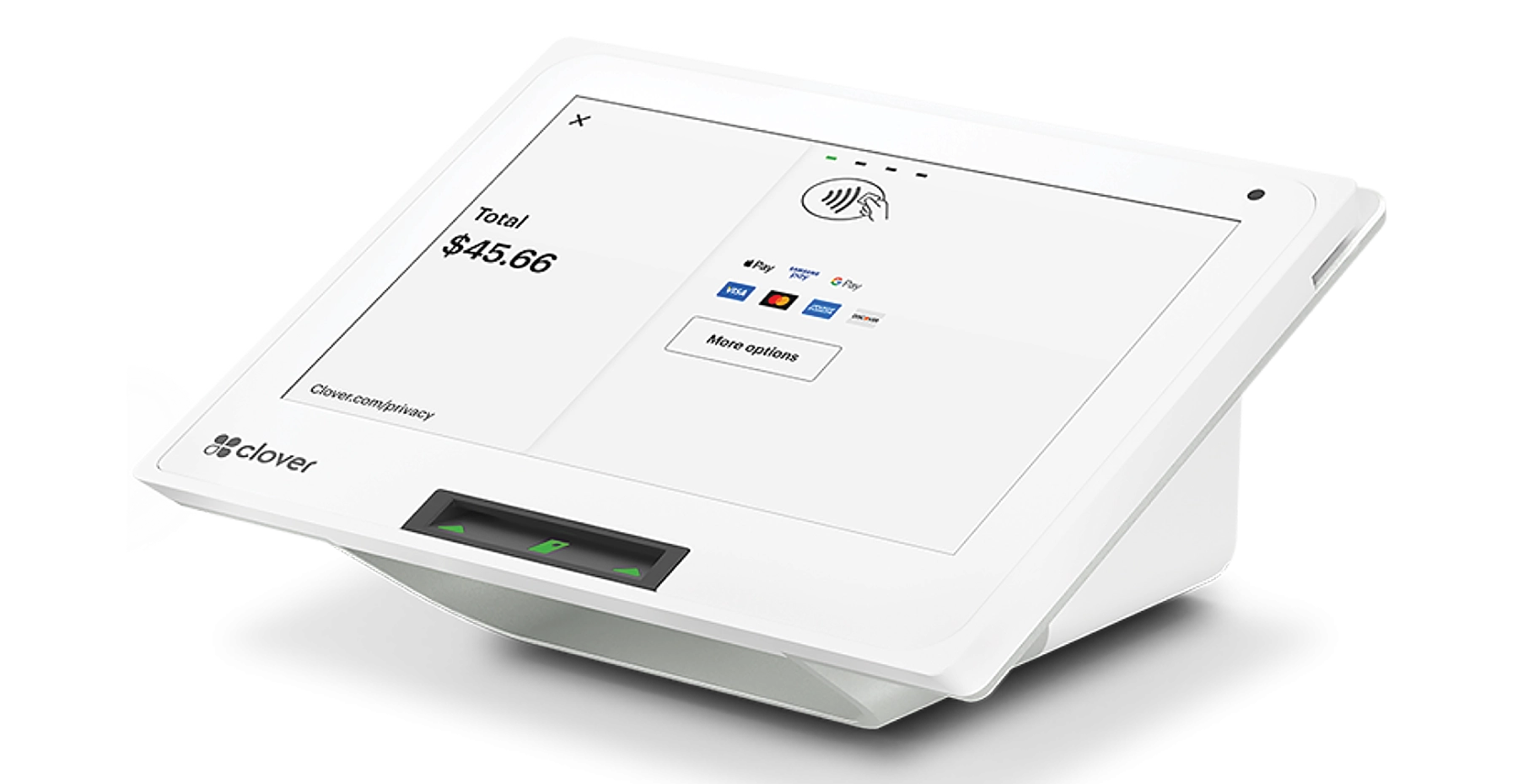


Credit cards are so ubiquitous in modern society that we hardly think about them at all. We just swipe and take our purchases and leave. It may not cross our minds that there’s a system hard at work behind the scenes making sure everything runs smoothly. That system is credit card processing, and, while it has a lot of moving parts, it’s really very straightforward. So, what is credit card processing and how does it work?
Credit card processing involves several steps and components required for secure payment acceptance, including the use of merchant accounts, payment gateways, and the transfer of transaction data across different sales channels. Understanding credit card processing is crucial for businesses, as it helps them make informed decisions, optimize their payment setup, and gain a competitive edge. There are a lot of players involved in the process, including key parties such as merchants, payment gateways, POS systems, credit card companies, and other intermediaries, all supported by a robust payment infrastructure of hardware, software, and networks. Merchant services and merchant services providers help businesses accept payments and accept card payments by offering solutions like transactional support, hardware, and compliance. Secure payment options are essential, and payment providers play a key role in enabling businesses to accept payments securely and efficiently. Understanding credit card processing basics allows businesses to make better-informed decisions about which payment solutions are best suited for their needs. Credit card processing directly impacts a business’s ability to provide convenient and secure payment options for customers.
Learn More: How to Accept Credit Card Payments
Who Is Involved in Credit Card Processing?
Cardholder
This is the most obvious role: the cardholder is the person who has the card and is using it to make a purchase. The card may be a debit or credit card–both are considered as part of credit card processing–and they receive the card from an issuing bank. During a transaction, the customer’s account is the source of funds, and the card issuer is responsible for authorizing the transaction and funding the purchase.
Cardholders are discussed in two different types: a transactor, which is someone who pays down their full balance every month, and a revolver, which is someone who pays some of the balance and the rest of the balance accrues interest. While there are few people who are always a transactor or always a revolver, these terms are used in the industry.
Merchant
The merchant is any business that sells goods or services, but in this case the only merchants we’re referring to are the ones who accept credit cards. Accepting credit cards allows businesses to improve sales, customer experience, and security. A merchant is an entity that accepts credit, and merchant services are payment processing solutions that support this capability. A merchant’s ability to accept credit cards is referred to as a merchant account.
Acquiring Bank
The acquiring bank is the merchant’s bank–the bank that the merchant contracts with to create and maintain their merchant account. These banks are registered members of the credit card associations (Visa and Mastercard). This bank will provide the merchant with the equipment and software they use to receive credit card payments, and they will handle any customer service issues that come up during the course of business. The acquiring bank will deposit the funds from a credit card sale into the merchant’s account.
The acquiring bank will receive the payment authorization request from the merchant and then connect with the issuing bank. We’ll talk more about the authorization and authentication process below.
Often, acquiring banks use third party independent sales organizations (ISO) and membership service providers (MSP) to run the day-to-day operations of the merchant accounts.
Acquiring Processor
This is the ISO or MSP mentioned above. The credit card processor will provide some service or device that lets merchants accept credit cards, and sends information about the payment details to the credit card network. The credit card processor sends transaction data to the card network and subsequently to the issuing bank as part of the authorization and settlement process. The payment provider plays a crucial role in facilitating secure and efficient payment processing by setting up merchant accounts and payment gateways for businesses. Choosing the right payment processor is essential, as it can significantly impact a business’s efficiency and customer satisfaction. Understanding which credit card processors to avoid can help merchants steer clear of hidden fees and unreliable service. A good credit card processor will also provide clear guidance and support throughout the setup process.
Issuing Bank
This is the bank that issued the credit hard, or the cardholder’s bank. It receives the payment authorization request and either approves or denies. The issuing bank will pay the acquiring bank for the purchases that the cardholder makes. The cardholder then pays their bill to the issuing bank, per the credit card agreement.
Card Associations
These associations (such as Visa, Mastercard, Discover, and American Express) are not banks and don’t issue credit cards or handle merchant accounts. Instead, they are an association that makes rules regarding the use of their cards, and are an organization that oversees the credit card community and the banks they serve.
Credit card associations play a central role in the card payment process by facilitating the entire lifecycle of a card transaction, from authorization to settlement, ensuring secure and efficient electronic payments between customers, merchants, issuing banks, and acquiring banks. They make rules regarding interchange fees and qualification guidelines, provide arbitration between issuing banks and acquiring banks, maintain the credit card network, and promote their brand. Assessment fees charged by card associations are usually a small percentage of the transaction amount and can vary depending on the card network and the transaction volume.
How Does Credit Card Processing Work?
Credit card processing involves several key steps and components required for secure payment acceptance, including merchant accounts, payment gateways, and the systems that facilitate transactions across different sales channels. The transaction process includes authorization, clearing, and settlement; while processing a credit card transaction takes only seconds, receiving funds in your bank account can take days. A robust payment infrastructure, including essential hardware like a credit card terminal or point-of-sale system, is crucial for managing costs, ensuring security, and enabling smooth payment operations.
Credit cards can be used in a variety of settings, such as stores, online outlets, e-commerce, wireless terminals, and phones, but all transactions follow the same process. For in-person payments, the customer uses a physical card and initiates the transaction by swiping, inserting, or tapping the card—this customer swipes action triggers the processing sequence. In contrast, online transactions are initiated when the customer enters card details manually or uses stored payment methods, with a payment gateway securely transmitting transaction data. Debit card payments are processed in a similar way to credit card payments.
The entire process to process credit card transactions only takes a few seconds—every time you make a purchase with your card, it goes through this entire transaction process in two or three seconds. However, the settlement of funds to your bank account may take longer.
Here is an explanation of how the credit card process works for a standard brick-and-mortar store.
Authorization
In this beginning stage or the process, the merchant (as described above) must get authorization from the issuing bank (also described above) to make the sale. This happens in the following steps:
-
The cardholder gives their credit card to the merchant at the time of sale.
-
When the customer’s credit card is swiped in the point-of-sale (POS) terminal–a credit card machine, software, or gateway–the cardholder’s credit card information is sent to the acquiring bank (or the acquiring processor).
-
The acquiring bank or processor receives the information and then reroutes it to the information on to the appropriate credit card network.
-
The credit card network requests payment authorization from the issuing bank. This request includes the credit card number, expiration date, billing address (for the Address Verification System AVS validation), card security code (or CVV), and payment amount.
Authentication
In this second stage, the issuing bank check to make sure that the credit card is being used properly and that it is being protected from fraudulent activity.
-
The issuing bank receives the request for payment.
-
The bank checks either the AVS, the CVV, CVV2, CVC3, or CID. This makes sure that it isn’t being used fraudulently.
-
The bank verifies that the cardholder’s account has enough funds available.
-
The issuing bank places a hold on the cardholder’s account for the amount of purchase. (The funds are not immediately transferred from issuing bank to acquiring bank.)
-
The merchant’s POS terminal receives the approved authorization. This response code is stored in a batch file awaiting a settlement, typically at the end of the day.
Clearing and Settlement
The final step of credit card processing is the clearing and settlement. This takes place after the authorization and authentication.
-
The merchant sends the batch of authorizations to the acquiring bank or processor, usually once per day.
-
The processor receives the authorizations and submits the batch to the card association networks.
-
The processor divides the authorizations up and sends each to its individual issuing bank.
-
The issuing bank transfers funds, except for retaining an interchange fee, which is shared with the credit card network. This takes place usually within 24 to 48 hours of each transaction.
-
The credit card network sends the acquiring bank and processor their share of the funds.
-
The acquiring bank deposits the money in the merchant’s account, minus a Merchant Discount Rate.
-
The cardholder receives their statement and pays their bill.
Card Processing and Security
Security is at the heart of credit card processing, ensuring that every transaction made with a credit or debit card is protected from potential threats. When a customer initiates a purchase, the payment processor immediately goes to work safeguarding sensitive payment details. This is accomplished through advanced security technologies such as encryption, which scrambles transaction data so that only authorized parties can read it, and tokenization, which replaces card information with unique tokens that are useless if intercepted.
Additionally, secure sockets layer (SSL) technology is used to create a secure connection between the merchant and the payment processor, further protecting credit card transactions from unauthorized access. Leading credit card processing companies, like Elavon, implement these robust security measures to defend against fraudulent transactions and keep both businesses and customers safe, and merchants can further reduce issues by following practical tips to avoid chargebacks, holds, and freezes.
Payment gateways, such as those offered by Stripe, play a vital role in this process by encrypting sensitive information before transmitting it to the payment processor. This extra layer of security ensures that card processing remains secure from the moment a customer enters their payment details until the transaction is complete. As a result, there are many compelling reasons every business should use a payment gateway. By prioritizing security in credit card processing, businesses can build trust with their customers and reduce the risk of losses due to fraud.
Benefits of Working with a Payment Gateway
Partnering with a payment gateway offers a range of advantages for businesses looking to accept credit card payments efficiently and securely. A payment gateway acts as a bridge between your business and the payment processor, enabling you to accept a variety of payment methods—including credit and debit cards, digital wallets, and online payments—catering to diverse customer payment preferences.
One of the standout benefits of using a payment gateway is the enhanced security it provides. With features like encryption and tokenization, payment gateways protect sensitive transaction data, helping to prevent data breaches and fraudulent activity. This not only safeguards your business but also reassures customers that their payment information is secure.
Payment gateways also streamline the payment processing workflow, making it easier for businesses to manage card payments and reduce transaction fees. By automating much of the card processing, businesses can save time and minimize errors, leading to faster settlements and improved cash flow. Additionally, payment gateways often provide access to detailed transaction data and analytics, empowering businesses to make informed decisions, interpret credit card processing statements, and optimize their payment solutions.
Ultimately, working with a payment gateway can boost customer satisfaction by offering secure, convenient, and flexible payment options. When choosing a payment gateway, it’s important to consider factors such as security features, scalability, integration capabilities, and customer support to ensure the solution aligns with your business’s needs and growth plans. By leveraging the right payment gateway, businesses can enhance their credit card processing system, reduce costs, and deliver a seamless payment experience for their customers.
Where Do Credit Card Processing Fees Go?
There are several types of processing fees that credit card processors charge on credit card purchases, including fixed fees, markup fees, and monthly or annual fees. Processing costs can vary depending on the type of credit card, transaction volume, and the individual payment processor. Credit card processors and merchant services providers charge a markup fee for their services, which can be a percentage of the transaction amount, a per-transaction fee, or a monthly fee. Businesses may also need to use a payment gateway, which typically charges a monthly fee or a per-transaction fee for their services. Some credit card processors charge a one-off fixed fee for setting up the merchant account and activating the processing service. Monthly or annual fees may also be charged by some processors for account maintenance, reporting, and access to additional features or services. In some cases, contracts may also include an early termination cost or credit card processing cancellation fee. Chargeback fees can range from $10 to $35 per disputed transaction, and some processors charge a fee for PCI compliance, while others include it in their service offering.
To the merchant, the fee will appear as a standard Merchant Discount Rate, which is the percentage of the total bill that will be deducted. This is typically between 1.79% and 2% of the total. (So, if the Merchant Discount Rate was 2% and a cardholder bought something for $100 with a credit card, the merchant would receive $98 deposited in their account.)
That 2% is split up into several different pieces, which are interchange fees, assessment fees, and account provider fees, and some merchants explore passing credit card processing fees to customers to help offset these costs. Businesses should carefully compare credit card processing pricing models for different providers and choose the most cost-effective solution that meets their needs. Understanding the types of fees associated with credit card processing can help businesses avoid unexpected costs. It’s important to read the fine print of contracts with credit card processors to avoid hidden fees and unclear terms.
Interchange Fees
The issuing bank receives the largest portion of the fees, as an interchange fee. (This is the bank whose logo appears on the card: Wells Fargo, Chase, Bank of America, etc). This charge is typically 1.75% + $.10. This fee is charged to the acquiring bank, but is passed on as part of the Merchant Discount Rate.
Assessment Fees
These are the fees that go to the credit card association (Visa, Mastercard, etc.). These fees are typically between 0.11% and 0.095%.
Account Provider Fees
The final bit of the 2% Merchant Discount Rate goes to the acquiring bank and processor. This is usually around 0.07%.
Tired of unpredictable processing fees?
VMS offers cash discount and dual pricing programs that can bring your effective rate close to zero, plus a free statement review.
Or call our team: 888-902-6227
What Happens When A Credit Card Gets Declined?
The final thing to mention when talking about credit card processing is what happens when the process gets interrupted. There can be several reasons why a credit card is declined, and it’s not always because there are insufficient funds. When the card gets declined, the POS terminal will receive a code explaining the reason, but often aren’t clear.
Some of the reasons a card will get declined are in incorrect card number (if being entered into a computer) or incorrect date; an expired card; insufficient funds; technical issues with the processing; fraud prevention measures, such as the cardholder making an international purchase, making a purchase from a location that is not near their home, or many purchases made in a short amount of time.
Have questions about processing fees?
Fill out the form below and a VMS payment specialist will contact you shortly.