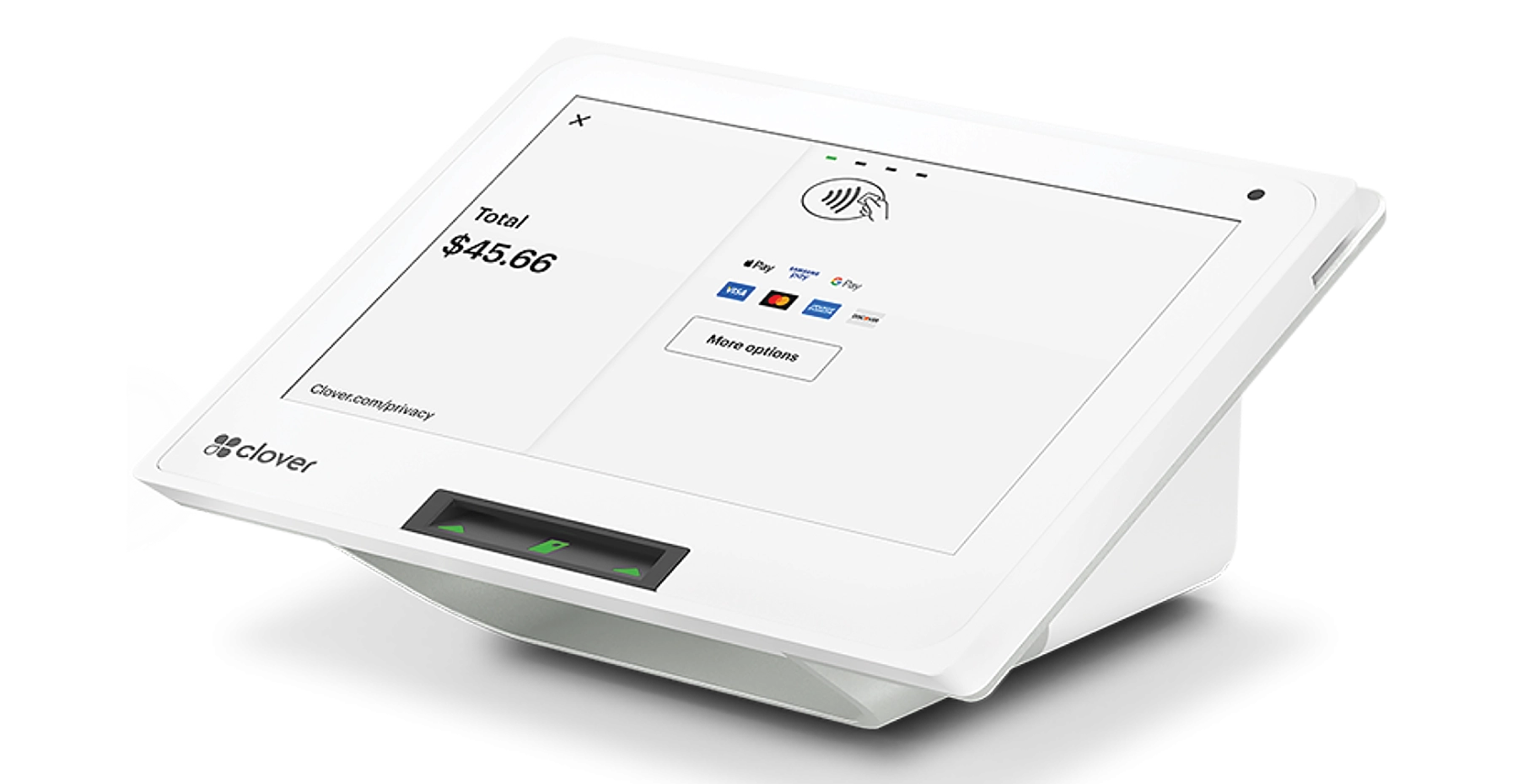

Applying for a merchant account is a crucial step for any business that wants to accept credit cards and accept electronic payments, both online and in person. The process requires providing detailed business information and documentation to ensure you can securely accept credit and debit card payments. A merchant account is a specialized bank account designed to hold funds from customer transactions until they are transferred to your primary business account. Electronic payments typically settle and reach your business bank account within 1–2 business days, enabling faster access to revenue compared to traditional payment methods.
How to Open a Business Bank Account
So you want to take credit cards at your business or you already accept them but you are looking to switch processors. That means you need to apply for a merchant account to do so. Before you jump into an agreement, though, it’s good to know a little bit about the merchant account application and the process. A lot of small business owners have applied for a merchant account before, but many still make costly mistakes with payment processing; what goes on behind the curtain? It’s a bit complicated, so we created this post (and attached infographic) to spell it out for you.
Before applying for a merchant account, businesses must ensure they are registered and legitimate. Businesses that plan to operate in the US need to register with the relevant government authorities.
Choosing the right merchant services provider is crucial for accessing a range of payment solutions tailored to your business type, whether you operate an online store or accept payments in person.
Although the infographic goes more in depth, here is a brief version of the process:
-
Business relationship is formed. Business owner is interested in getting an account.
-
Merchant Processing Agreement (MPA) is sent and signed.
-
Applicants must provide details such as legal business name, physical address, business structure, articles of incorporation, employer identification number (EIN), and customer information. The required documents and necessary documentation may vary depending on the merchant services provider and business type, but typically include proof of business registration, government issued ID, and financial documentation such as recent bank statements, tax returns, and profit-and-loss statements. You will also need to obtain an Employer Identification Number (EIN) from the IRS to show compliance with tax and legal regulations. An EIN is similar to a Social Security number but for a business, serving as a unique identifier for banking and tax purposes. You must have a business bank account where funds from your merchant account will be deposited.
Demonstrating that your business is legitimate is crucial during the underwriting process to mitigate risks.
-
MPA and information are sent to the underwriting department. The approval process often involves a credit check to assess if the business owner has good credit and is financially stable. Payment processors and merchant services providers evaluate transaction volume, average dollar amount, and card transactions to determine risk and eligibility for a new merchant account, so it’s wise to understand how to avoid merchant account holds and freezes. The approval process can take anywhere from a day to a few weeks depending on the provider and the completeness of the application and documentation provided. The average size of transactions and the delay between purchase and delivery of the product can affect approval due to increased risk of chargebacks.
-
Account is either approved, denied, or pended based on several factors. Providing all necessary documentation and accurate business details helps speed up the approval process and protects both you and the merchant services provider. Providing incorrect or incomplete information can delay approval or result in your application being rejected.
-
Most businesses, whether operating an online store or in person, need a separate merchant account to accept credit and debit card payments, including debit card payments and electronic payments, and should understand the difference between debit vs. credit transaction fees. To accept payments and process payments efficiently, businesses must set up a payment processing system, which may include point of sale equipment for in-person transactions. Once approved, the provider will guide you through setting up your merchant account, including adding your business details and setting up payment terminals. Testing the payment processing system is essential to ensure it functions properly before accepting customer payments. Maintaining PCI compliance is a critical aspect of managing a merchant account. PCI DSS (Payment Card Industry Data Security Standard) is a set of guidelines designed to ensure the secure handling of sensitive credit card information. Failing to maintain PCI compliance can result in severe penalties, loss of customer trust, and significant financial liabilities.
-
Account is opened, equipment is installed, and processing begins. When a customer makes a purchase, the payment processing system facilitates the transfer of funds. Understanding your average dollar, transaction volume, and transaction amount helps in risk assessment and managing customer payments through a business bank account. Transaction fees, per transaction fee, and hidden fees should be carefully reviewed, as they are often based on the transaction amount and can impact overall costs; understanding credit card fees and what makes a good deal can help you evaluate offers more effectively. Low fees and other services such as customer support and integration options are important considerations, especially if you’re looking for strategies on how to lower credit card processing fees.
Key benefits of a merchant account include increased sales, higher customer satisfaction, improved cash flow, and secure automated payment processing. Merchant service providers play a crucial role in setting up and managing merchant accounts, offering dedicated merchant accounts, security tools, and fraud prevention resources. Most providers offer detailed reporting and analytics to track sales trends, monitor transactions, and make data-driven decisions. Offering multiple payment options, including digital wallets, can attract more customers and lead to increased sales. It’s important to research the reputation of the merchant account provider before signing up. You should consider the ease of integrating the payment processing software with your website or point-of-sale system. Strong customer support is important for resolving any issues or questions about your merchant account. Merchant account providers vary widely in terms of fees, contract terms, and additional services. Providers charge fees for each transaction, including a percentage of the transaction amount and a per-transaction fee, and may also charge setup, monthly maintenance, and other fees. It’s important to carefully review the fee structure of each provider to understand the total cost of using the service. Some processors might request information for a personal guarantee if your business credit is poor enough that the processor requires it. You will also need to obtain an Employer Identification Number (EIN) from the IRS.
Security and Compliance
When it comes to managing a merchant account, security and compliance are non-negotiable priorities for any business that wants to accept credit card payments and protect customer information. Adhering to the Payment Card Industry Data Security Standard (PCI DSS) is essential for safeguarding sensitive data and maintaining customer trust. A reputable merchant account provider will offer merchant services and payment solutions designed to help your business stay PCI compliant, including advanced encryption, fraud detection tools, and secure payment gateways.
During the application process, you’ll be required to submit necessary documentation—such as business registration papers, bank account statements, and tax returns—to verify your business structure and financial stability. The underwriting process will assess your estimated monthly processing volume, processing history, and business type to determine your risk profile. High-risk businesses, such as those in travel services or online gaming, may face stricter requirements or higher transaction fees, but working with an experienced merchant services provider can help you navigate these challenges and find competitive pricing.
To start accepting payments securely, you’ll need to implement a robust payment processing system. This might include a virtual terminal for remote transactions, a point of sale system for in-person sales, or an online store for e-commerce. Ensuring your systems are protected with firewalls, antivirus software, and PCI-compliant payment gateways is crucial for processing credit and debit card transactions safely. By prioritizing security, you reduce the risk of data breaches, chargebacks, and other costly issues that can disrupt your cash flow and damage your reputation.
It’s also important to carefully review your merchant account agreement for hidden fees, long-term contracts, and other terms that could impact your bottom line. Transaction fees, monthly fees, and setup fees can vary depending on your merchant account provider, business type, and transaction volume. To keep costs low, consider negotiating custom pricing, opting for a flat-rate model, or choosing a provider known for low fees and transparent pricing.
Ultimately, maintaining a secure and compliant merchant account is key to processing transactions efficiently, accepting credit and debit card payments, and supporting your business’s growth. By working with a trusted merchant services provider, understanding the application and underwriting process, and staying vigilant about security and compliance, you’ll be well-positioned to accept payments, improve cash flow, and build lasting customer relationships.
High-Risk Merchant Accounts
Some businesses fall into what’s known as the “high-risk” category when it comes to merchant accounts. If your business operates in industries like online gaming, adult entertainment, tobacco sales, or certain medical and drug-related fields, you may be considered high risk by merchant account providers and will likely rely on secure payment gateway solutions for online transactions. This classification is usually due to a higher likelihood of chargebacks, fraud, or financial instability associated with these business types.
Applying for a high-risk merchant account means you’ll likely face a more detailed underwriting process. Merchant services providers may ask for additional business details, such as a longer processing history, higher estimated monthly processing volume, or more comprehensive financial statements, to help reduce risk from issues like chargebacks, holds, and freezes. You might also need to provide extra documentation, like a government issued ID, business bank account information, and proof of PCI compliance.
Because of the increased risk, high-risk merchant accounts often come with higher processing fees, setup fees, and sometimes even monthly fees. Some providers may also require a reserve fund to cover potential chargebacks or losses. It’s important to carefully review the terms and look for a merchant account provider that offers competitive pricing and transparent fee structures, even for high-risk businesses, and to avoid credit card processors with hidden fees and poor support.
If you’re a business owner in a high-risk industry, understanding exactly what a high-risk merchant account is and finding the right payment processing solution is crucial to start accepting payments and keep your cash flow steady. Make sure to compare merchant services providers, ask about custom pricing, decide between a merchant account vs. payment aggregator, and ensure you understand all the requirements before you start processing transactions.