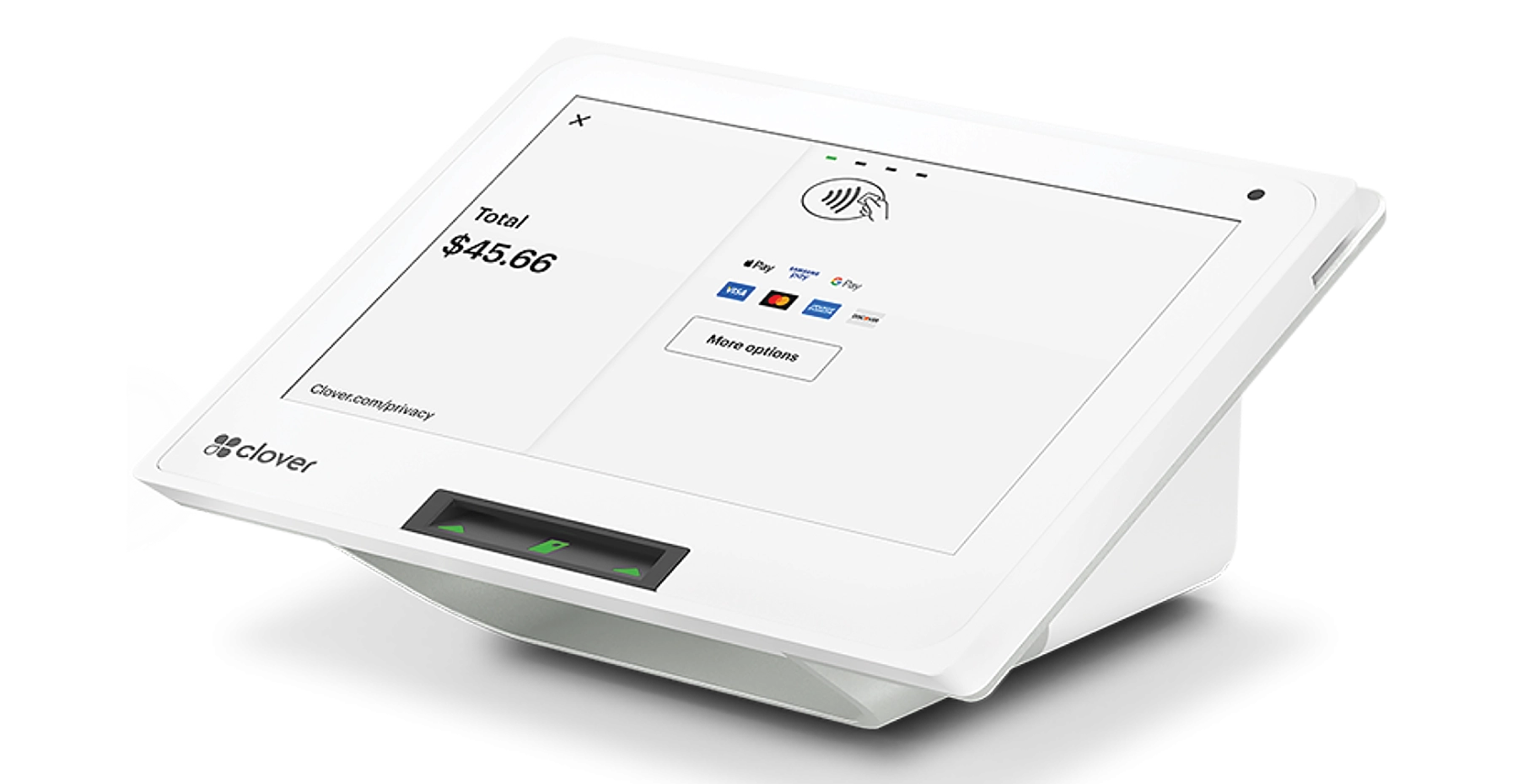

Credit card payments have become the standard for both in-person and online transactions, offering convenience and flexibility for customers and businesses alike. Understanding what credit card processing is and how it works is crucial for any business looking to optimize its payment solutions and manage costs effectively. At its core, credit card processing is the secure and efficient handling of card payments, ensuring that funds move safely from the customer to the business.
The credit card processing ecosystem involves several key participants: cardholders who make purchases, businesses that accept payments, financial institutions that manage accounts, and credit card networks that facilitate transactions. By gaining a clear understanding of how card processing operates and the roles of credit card networks, businesses can streamline their operations, enhance customer satisfaction, and reduce the risk of payment disputes. Ultimately, mastering credit card processing helps businesses provide a seamless payment experience that keeps customers coming back.
Who’s Involved in a Credit Card Transaction?
Before we jump into the mechanics, let’s introduce the key players.
Merchant Services Provider
A merchant services provider (MSP), also known as a merchant services provider or credit card processing company, enables businesses to accept electronic payments, including credit and debit card transactions. The MSP supports various payment methods and helps businesses understand the transaction flow and key credit card processing terms every business must know, ensuring secure and efficient payment acceptance. To process electronic payments, businesses need a merchant services account, which is a type of bank account that allows them to accept and settle electronic payment transactions. Merchant services providers play a crucial role in the payments ecosystem by providing the necessary infrastructure and support for businesses to process card payments.
Credit Card Networks
Credit card networks, also known as card associations, facilitate communication between payment processors, issuing banks, and merchants during the authorization, settlement, and funding processes. Card associations handle transaction details and ensure the smooth flow of payments between all parties involved.
Acquiring Bank
The acquiring bank, also known as the merchant bank, is the financial institution that has a contractual relationship with the business to accept and process credit card transactions. The merchant bank enables businesses to process credit and debit card transactions and handles the settlement and funding processes related to merchant accounts.
1. The Cardholder (Your Customer)
This is the person making the purchase. They use their credit or debit card to buy goods or services from a business.
2. The Merchant (You, the Business Owner)
You accept the card payment in exchange for your products or services. To do this, you need a payment processing system (like a POS terminal or an online payment gateway).
3. The Merchant Service Provider (MSP)
Also called a payment processor, this is the company that facilitates transactions between you and the banks. It ensures the payment request is routed securely and money gets deposited into your account.
4. The Payment Gateway (For Online Payments Only)
For eCommerce businesses, the payment gateway is the secure technology that transmits customer card data to the payment processor for authorization. Examples include Authorize.net, PayPal, and Stripe.
5. The Credit Card Network (Visa, Mastercard, Amex, Discover)
These are the card brands that set the rules, fees, and security standards. They also facilitate communication between banks.
6. The Issuing Bank (The Customer’s Bank)
This is the bank that issued the customer’s credit or debit card (e.g., Chase, Bank of America). They approve or decline the transaction based on available funds or credit limit.
7. The Acquiring Bank (Your Business’s Bank)
This is the financial institution that receives and deposits the money from transactions into your merchant account.
The Step-by-Step Credit Card Transaction Process
Now that we know the players, let’s break down what happens when a customer pays with a card. The card payment process refers to the sequence of steps involved in accepting and completing electronic credit and debit card transactions. This process is managed by a credit card processing system—a comprehensive framework that enables businesses to accept, manage, and optimize electronic payments securely and efficiently. Credit card processing is a complex, secure, and near-instantaneous electronic process that allows merchants to accept payments from customers. The journey of a single transaction follows a structured path through three main phases: Authorization, Clearing, and Settlement. Typically, the process operates in two main phases: Authorization (real-time) and Settlement (usually overnight).
Step 1: The Customer Makes a Purchase
The process begins when the customer swipes, inserts, or taps their physical card on your POS system or card reader during in person transactions. In person transactions involve the use of a physical card, which is physically interacted with at the point of sale. For online transactions, the customer initiates the process by entering their card details into a secure checkout form.
Step 2: The Payment Request is Sent for Authorization
This step is known as credit card authorization. During the authorization phase, your payment terminal or website encrypts the card data and sends it, along with transaction details such as the transaction amount, cardholder information, and authorization status, to the payment processor. The payment processor then forwards the authorization request to the appropriate card network (Visa, Mastercard, etc.), which routes the request to the issuing bank for approval of authorized transactions.
Step 3: The Issuing Bank Approves or Declines the Payment
The cardholder’s issuing bank (also known as the card issuer) checks the cardholder’s credit card information during the authorization step to verify sufficient funds and screen for potential fraud before approving or declining the transaction. Specifically, the issuing bank checks:
-
Is there enough available credit (sufficient funds) in the account?
-
Is the card valid and not expired?
-
Are there any fraud alerts or suspicious activity?
If everything checks out, the cardholder’s issuing bank approves the transaction and sends the approval back through the network. If not, it sends a declined message.
Step 4: The Authorization is Sent Back to Your POS
Your POS system receives the approved or declined response within seconds. If approved, the sale is completed, and the customer gets their receipt.
Step 5: Settlement and Fund Transfer
At the end of the business day, all transactions are batched together and sent for settlement. The settlement process occurs at the end of the day when the business submits a batch of all approved transactions to the credit card processor, which then forwards the transaction details to the respective card networks for funds transfer. During this process, the acquiring bank (your business’s bank) receives the transaction amount and initiates the funds transfer, depositing the settled funds into your business’s account, which is typically your business’s bank account. This ensures that the transaction amount from each sale is efficiently deposited into your business’s bank account—usually within 1-2 business days.
Understanding Credit Card Processing Fees
Accepting credit cards isn’t free—there are several types of fees businesses must pay, collectively known as processing costs. Credit card processors charge various fees related to transaction processing, including interchange fees, assessment fees, and processor markup. These processing costs are essential for businesses to understand and manage, as they directly impact the overall expenses associated with payment processing. Credit card processing fees typically range from 1.5% to 3.5% per transaction, but can reach up to 5% depending on factors such as the type of card and transaction volume. The three main categories of credit card processing fees—interchange fees, assessment fees, and processor markup fees—can vary based on the type of card and the payment processor, and a broader understanding of credit card processing for merchants can help you put these costs in context. Let’s break them down:
1. Interchange Fees (Largest Portion of Fees)
Charged by the cardholder’s issuing bank to cover transaction processing and fraud prevention. These fees vary based on card type, business type, and transaction method.
Example: Visa and Mastercard charge interchange fees between 1.5% and 3.5% per transaction.
2. Assessment Fees
Charged by the credit card networks (Visa, Mastercard, etc.) for maintaining the card system. These are small fees but unavoidable.
3. Payment Processor Fees
Your merchant service provider charges a fee for handling transactions. These fees vary based on the pricing model, so it’s important to understand cost plus vs tiered pricing and how each structure impacts your effective rate over time:
-
Flat-Rate Pricing – A fixed percentage per transaction (e.g., 2.9% + $0.30). Some payment processors may also charge a fixed fee per transaction or as a monthly or annual fee.
-
Interchange-Plus Pricing – You pay the interchange fee plus a small markup. Payment processors may also charge a monthly fee for account maintenance or access to additional services.
-
Tiered Pricing – Fees depend on the type of transaction (can be expensive). Be aware that some providers may have monthly minimum fees, which can be a hidden cost if your transaction volume is low.
4. Chargeback Fees
If a customer disputes a transaction and wins, you’ll lose the sale AND pay a chargeback fee ($20–$50 per dispute).
5. Monthly/Annual Fees
Some processors charge for PCI compliance, statement fees, and even hidden fees (read the fine print!).
How to Choose the Best Credit Card Processor
Not all credit card processing companies are created equal. Businesses looking to accept credit card payments should compare providers based on their fee structures, including early termination fees, to ensure they can efficiently accept credit. Reviewing what your credit card processing statement really means can reveal hidden costs and make those comparisons more accurate. Understanding customer payment preferences and transaction volume can also help businesses choose the right credit card processing company for their needs.
When choosing one, consider these factors, and make sure you can confidently answer 10 key questions for choosing a credit card processor:
1. Transparent Pricing
Look for a provider with clear and predictable fees—avoid companies with hidden costs by steering clear of credit card processors to avoid that are known for opaque pricing or poor support.
2. Fast Payouts
Some processors deposit funds the next day, while others take 2-3 business days. If cash flow is important, choose a provider that offers same-day funding.
3. POS System Compatibility
Your payment processor must work with your POS system, online store, or mobile device. A point of sale (POS) system includes hardware such as a credit card machine, which is used to process credit card payments and facilitate electronic fund transfers. Popular systems include Clover, Square, and Stripe.
4. Strong Security & Fraud Protection
A good processor will provide:
-
PCI Compliance Support
-
End-to-End Encryption
-
Chargeback Prevention Tools
5. Customer Support
Look for 24/7 live support—not just email responses that take days.
Best Practices for Credit Card Processing
To get the most out of credit card processing, businesses should follow a set of best practices that ensure security, efficiency, and customer satisfaction, including strategies for lowering credit card processing fees without sacrificing service quality. Start by verifying customer identity during transactions to help prevent fraud and unauthorized card use. Maintaining clear and accurate transaction records is essential—not only does this help with bookkeeping, but it also provides valuable documentation in case of disputes.
Providing excellent customer service and responding quickly to any issues or chargebacks can make a significant difference in customer satisfaction and retention. Implementing a secure payment gateway and complying with PCI DSS standards are critical steps to protect sensitive payment information and maintain trust. Regularly reviewing your credit card processing statements can help you spot errors or unexpected fees, allowing you to address issues before they become costly.
Additionally, consider using advanced security measures like tokenization and encryption to further safeguard payment data. By following these best practices, businesses can minimize risks, reduce chargeback fees, and create a positive experience for every customer who pays with a credit card.
Common Issues and Disputes
Even with the best systems in place, businesses may encounter common issues and disputes in credit card processing. One of the most frequent challenges is chargebacks, which occur when a customer disputes a transaction with their issuing bank. Chargebacks can result in lost revenue and additional chargeback fees for the merchant, making them a costly problem if not managed properly.
Other issues include payment reversals and transaction errors, which can arise from technical glitches or misunderstandings during the card processing flow. To minimize these risks, businesses should always verify customer identity, provide clear and detailed transaction descriptions, and respond promptly to customer inquiries. Decisions about whether to pass processing fees to customers through surcharges or discounts can also affect customer expectations and dispute rates. Keeping thorough records—including receipts, invoices, and communication—can help resolve disputes quickly and protect your business in case of a challenge.
By understanding the causes of chargebacks and implementing proactive strategies to prevent them, businesses can reduce the risk of payment disputes, avoid unnecessary fees, and maintain a smooth credit card processing experience for both themselves and their customers.
The Future of Credit Card Processing
Technology is changing how businesses accept payments. The future of credit card processing is closely tied to advancements in electronic payments, including the rise of contactless and mobile payment options. Here are some emerging trends:
1. Contactless & Mobile Payments
More consumers are using Apple Pay, Google Pay, and tap-to-pay cards for faster checkouts.
2. Cryptocurrency Payments
Some businesses now accept Bitcoin and Ethereum as payment options.
3. AI-Powered Fraud Detection
AI tools are improving security and reducing chargebacks by detecting fraudulent transactions in real-time.
Benefits of Credit Card Processing
Embracing credit card processing offers a wide range of benefits for businesses of all sizes. Accepting credit card payments can lead to increased sales and revenue, as customers are more likely to make purchases when offered convenient and secure payment options. Improved cash flow is another major advantage, with funds from card payments typically deposited quickly into your business’s account.
Credit card processing also enhances the overall customer experience by providing fast, reliable, and flexible ways to pay—whether in person or online. Businesses gain access to valuable transaction data, allowing them to track sales, identify trends, and make informed decisions to drive growth. Choosing wisely from the start by understanding 10 things to know when shopping for merchant services can help you capture these benefits while avoiding unnecessary costs and headaches. By accepting card payments, companies can expand their customer base, reduce the risks associated with cash handling, and streamline their financial management.
Ultimately, offering credit card payments not only meets customer expectations but also positions your business for long-term success in an increasingly cashless world.
Choose Your Credit Card Processor
Understanding how credit card processing works helps you make better decisions, reduce fees, and improve security. Now that you know the ins and outs, you can confidently choose the best payment processing solution for your business.
If you’re setting up payments for your business, look for a processor that offers transparent pricing, fast deposits, and strong security. A little research now can save you thousands of dollars in unnecessary fees down the road.