

In the intricate landscape of small businesses, navigating through all the different administrative requirements can be a daunting task. One crucial element for businesses involved in the food industry is obtaining a Food and Nutrition Service (FNS) number. The Food and Nutrition Service (FNS) provides children and low-income people access to food, a healthful diet, and nutrition education through its food and nutrition services and nutrition services programs. The purpose of Food and Nutrition Services is to end hunger and improve nutrition and health for those in need. This unique identifier is essential for businesses participating in federal nutrition programs, such as the Supplemental Nutrition Assistance Program (SNAP). In this detailed guide, we’ll walk you through the steps to acquire an FNS number, breaking down the process into manageable steps to make it accessible for small businesses. From understanding eligibility criteria to post-approval considerations, we aim to empower small businesses in successfully navigating the FNS application journey.
Understanding the Importance of an FNS Number:
Before delving into the process of obtaining an FNS number, it’s crucial to grasp its significance for small businesses. Food and Nutrition Services helps eligible households buy the food they need for a nutritionally adequate diet. The FNS number serves as a key credential for businesses that want to participate in federal nutrition assistance programs. It not only enhances a business’s credibility but also opens doors to a broader customer base by allowing them to accept SNAP benefits. Accepting EBT and SNAP is a great idea for any retailer that fits the requirements, and understanding why your business should take EBT can highlight the revenue and community benefits involved.
Eligibility Criteria:
Before embarking on the journey to obtain an FNS number, it’s important to understand the eligibility criteria to make sure that your small business qualifies for participation in federal nutrition programs.
The Food and Nutrition Services (FNS) Program helps low-income households with monthly food expenses.
The FNS number is primarily designed for businesses involved in the sale of eligible food items, and meeting specific criteria is essential for approval. Additionally, some individuals may need to meet work or training requirements to qualify for the program, and retailers should understand how stores get paid for food stamps so they can assess the financial impact of participation.
1. Nature of Business:
To be eligible for an FNS number, your small business must be engaged in the sale of eligible food items. This includes grocery stores, supermarkets, convenience stores, and farmers’ markets that offer a variety of qualifying food products. Meeting detailed EBT stocking requirements for SNAP retailers is essential to remain eligible.
2. Compliance with Program Regulations:
Businesses seeking an FNS number must be willing to comply with both federal and state regulations outlined by nutrition programs, such as the Supplemental Nutrition Assistance Program (SNAP). The USDA oversees compliance with these regulations, ensuring that businesses adhere to guidelines on eligible food items, pricing, and record-keeping.
3. Valid EIN and Legal Structure:
Ensure your small business possesses a valid Employer Identification Number (EIN) issued by the Internal Revenue Service (IRS). Additionally, the legal structure of your business, whether it’s a sole proprietorship, partnership, corporation, or LLC, should be established and recognized.
4. Adequate Licensing:
Small businesses must have all necessary licenses and permits required to operate legally in their area. This includes health permits and any other licenses relevant to the sale of food items.
5. Prohibition of Certain Establishments:
Some types of businesses, such as restaurants, and certain retailers primarily engaged in the sale of hot foods, are generally ineligible for an FNS number. Ensure your business does not fall into these categories.
6. Ineligibility for Non-Food Items:
It’s crucial to note that the FNS number is specifically for businesses selling eligible food items. If your small business predominantly deals with non-food items, it may not meet the eligibility criteria for obtaining an FNS number. Understanding these eligibility criteria is pivotal in determining whether your small business qualifies for an FNS number.
By carefully assessing your business with these criteria, you can confidently proceed with the application process, ensuring a smoother path toward obtaining this essential identifier for participating in federal nutrition programs.
Gathering Necessary Documentation:
To facilitate a seamless application process for acquiring an FNS number, small businesses must meticulously prepare and organize essential documentation. Applicants may need to file certain documents and mail paperwork to the appropriate address as part of the process. Ensuring that all necessary paperwork is in order will not only expedite the application but also enhance the likelihood of a successful outcome. Here’s a comprehensive checklist to guide small businesses in collecting the required documentation efficiently:
There are resources available to help applicants find the information and support they need during the documentation process.
1. Proof of Business Ownership:
Provide legal documentation establishing ownership of the business. This includes a business license, registration certificate, or any other official document proving ownership.
2. Valid Employer Identification Number (EIN):
Submit a copy of the valid Employer Identification Number (EIN) issued by the Internal Revenue Service (IRS). This unique identifier is crucial for tax purposes and is a prerequisite for obtaining an FNS number. If you do not have a valid EIN, you can not get a FNS number.
3. Business Contact Information:
Include up-to-date contact details for your business, including the physical address, phone number, and email address. Ensure that this information matches the details provided in your business registration.
4. Financial Information:
Some applications may require basic financial information about the business. Prepare recent financial statements or tax returns to demonstrate the financial viability and legitimacy of your small business. Additionally, understanding the cost of compliance and any associated fees is important when preparing financial documentation, and a thorough guide to EBT payments and SNAP retailer requirements can help you budget accurately.
5. Licensing and Permits:
Provide copies of all relevant licenses and permits required for operating your business legally. This may include health permits, business licenses, and any other permits applicable to your specific industry.
6. Business Structure Documentation:
Clearly outline the legal structure of your business (e.g., sole proprietorship, partnership, corporation, LLC) and provide documentation confirming its legal status.
7. Inventory Lists:
Prepare an inventory list of eligible food items your business intends to sell. This can help streamline the approval process by demonstrating your compliance with program regulations. Documentation of food purchases is required to show that your store meets SNAP inventory standards. If there is any change in inventory or stocking standards, be sure to document and update these changes as part of the reauthorization process, especially as new SNAP and EBT compliance rules tighten stocking and record-keeping expectations.
8. Bank Account Information:
Include details of the business bank account, which may be required for payment processing if your business is approved to participate in federal nutrition programs.
9. Business History and Description:
Craft a concise history and description of your business, highlighting its mission, values, and commitment to providing quality food products to the community.
By systematically preparing and organizing these documents, small businesses can navigate the FNS application process efficiently, reducing delays and ensuring a smoother experience in obtaining this vital identifier for participation in federal nutrition programs.
Initiating the Application Process:
To kickstart the journey toward obtaining your Food and Nutrition Service (FNS) number, follow these straightforward steps:
Visit the FNS Website:
-
Head to the official Food and Nutrition Service website to access the online application portal.
Create an Account:
-
Register for an account on the FNS website. This account will be your gateway to the application process.
Complete the Application Form:
-
Fill out the online application form with accurate and comprehensive information. Double-check the details to ensure accuracy, as errors may lead to delays in processing.
Submit Supporting Documents:
-
Upload the necessary supporting documents, including proof of business ownership, a valid Employer Identification Number (EIN), and any other required paperwork. Many businesses also follow a separate step-by-step guide to accepting EBT in 2025 alongside the USDA portal to avoid errors.
Review and Confirm:
Take a moment to review the entire application before submission. Confirm that all details are accurate and up-to-date. Submit the Application: Hit the submit button to send your application for review. Keep a record of the confirmation or reference number provided upon submission.
The result of your application will be communicated to you, so it’s important to monitor for updates regarding your submission.
Navigating the Approval Process:
FNS requires EBT authorized merchants to go through a scheduled reauthorization process approximately every five years. Your store will receive a reauthorization letter from FNS, and you will have only 30 days to complete your reauthorization application after receiving your letter. If you are unable to find your letter, contact FNS for assistance.
Once your application is in, here’s what you can expect:
USDA may require a scheduled site visit as part of the reauthorization process. If there are any questions or concerns about the site visit, the manager can contact the SNAP Retailer Service Center to discuss the situation. After USDA evaluates your revenue and inventory, they will issue a decision letter regarding your authorization status.
Maintaining compliance with all program requirements will allow you to continue accepting EBT at your store. Keep in mind that certain actions or situations may affect your eligibility or the outcome of your application, including upcoming changes like the EBT junk food ban and related strategies that may require you to adjust inventory and POS settings.
Approval Timeline:
-
The approval process typically takes a few weeks. Be patient, as the timeline may vary based on factors like application volume and completeness.
Potential Delays:
Delays can occur if there are discrepancies in your application or if additional information is required. Additionally, technical issues such as ‘access denied’ errors or ‘https errors.edgesuite.net’ may prevent you from accessing the application portal. If you encounter these errors, try clearing your browser cache, using a different browser, or contacting technical support for assistance. Check your email regularly for any communication from the FNS, and promptly respond to any requests for clarification.
Monitoring Application Status:
-
Stay informed about your application’s status by regularly checking the online portal. The FNS website may provide updates on the progress of your application.
Post-Approval Considerations:
-
Congratulations on your successful approval!
Now, here’s what comes next:
Compliance with Regulations:
Adhere to program regulations and guidelines outlined by the FNS. Familiarize yourself with the rules to ensure continued eligibility and participation in federal nutrition programs, including requirements for specific POS equipment to accept EBT.
Record Keeping:
Maintain accurate and organized records of transactions and program-related activities. This not only helps in complying with regulations but also facilitates smooth business operations, which is especially important for high-traffic locations like gas stations and convenience stores accepting EBT.
Stay Informed:
Keep yourself informed about any updates or changes in program requirements. Regularly check the FNS website for announcements and ensure ongoing compliance.
Not set up to accept EBT yet?
VMS is USDA-authorized and handles your FNS application and EBT-ready terminal for you — most stores are approved and taking SNAP payments within days.
Or call our team: 888-902-6227
Seek Assistance if Needed:
If you encounter challenges or have questions post-approval, don’t hesitate to reach out to the FNS or relevant support channels for assistance. By following these steps and staying attentive to details, small businesses can navigate the FNS application process efficiently and set themselves up for successful participation in federal nutrition programs.
If you’re new to the EBT and SNAP world. Or are interested in starting the process of being able to accept food stamps? Visit www.getvms.com, at VMS we have an entire department dedicated to EBT. Our EBT specialists can help you apply for EBT acceptance and answer any questions you may have, regarding requirements or FNS numbers, and our EBT retailer application support is designed to help you get approved fast.
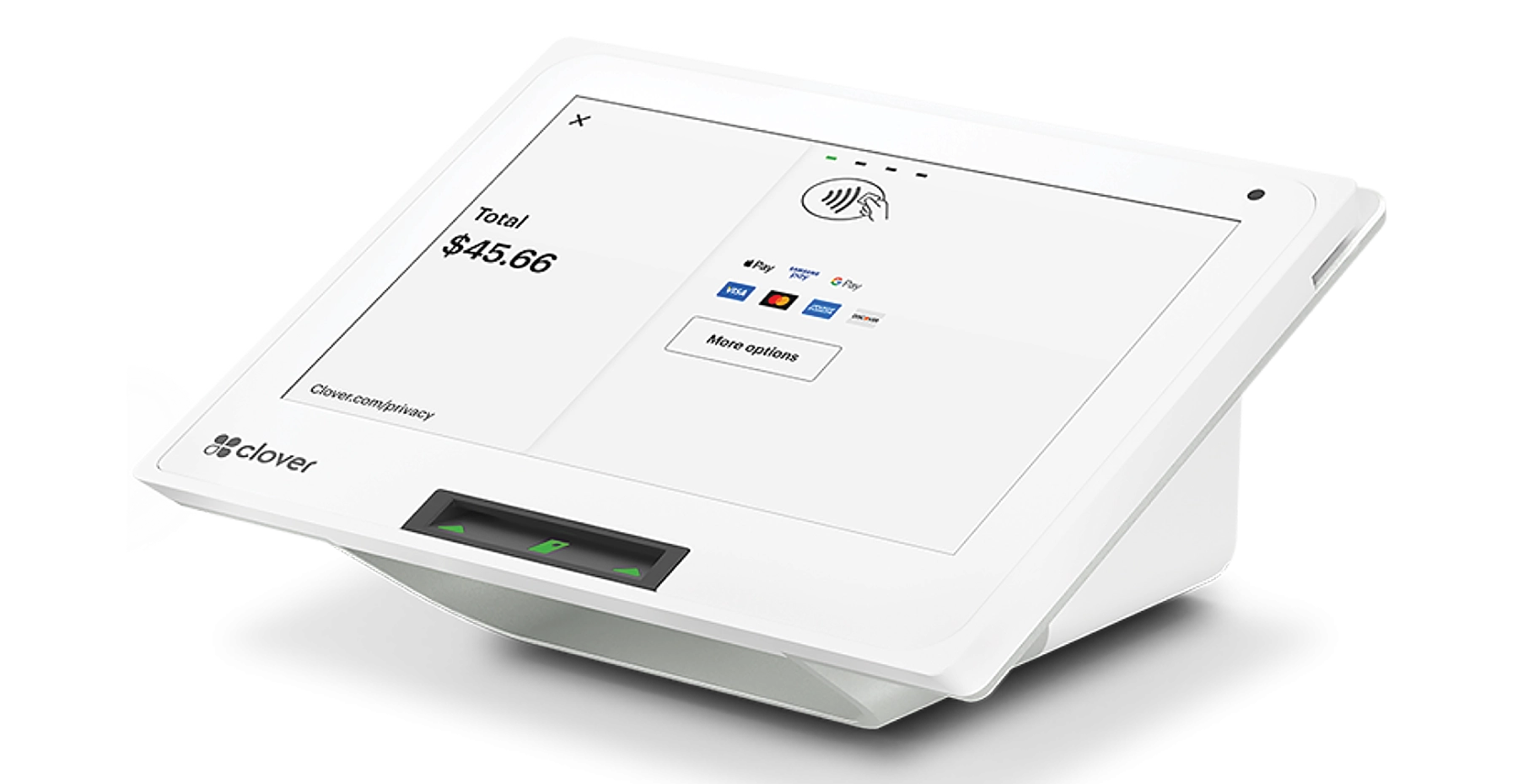
At VMS we also offer a variety of POS devices that allow your business to accept all forms of payment, including EBT!
Have questions about accepting EBT?
Fill out the form below and a VMS payment specialist will contact you shortly.